
Landscaping
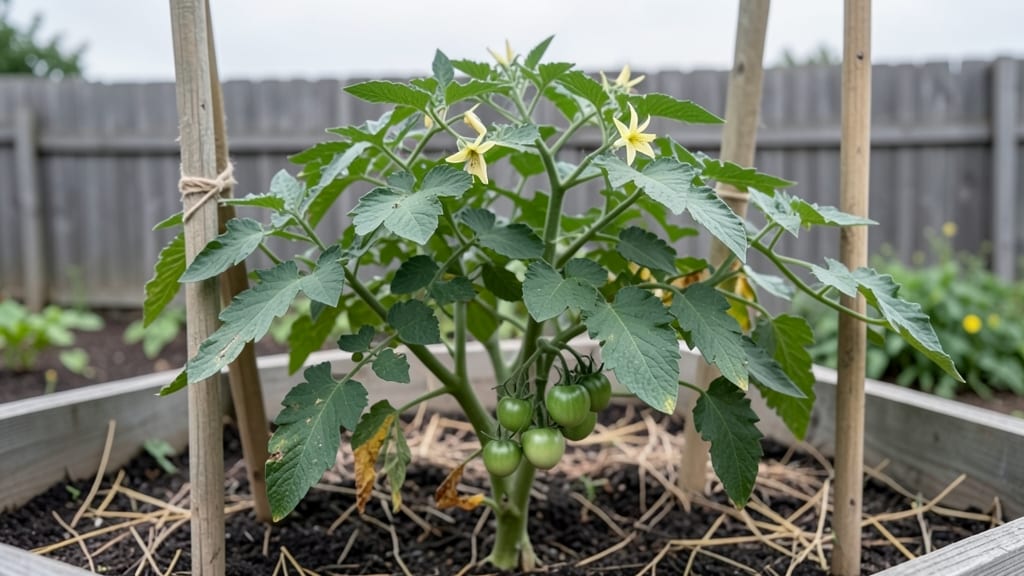
Raised gardens in your backyard can turn even the tightest space into a lush, productive growing area 🌱—no matter how small your yard might be.
Picture this: You’re staring at your backyard, wondering how to fit in a garden without losing precious patio or lawn space. The answer? Raised beds that maximize every square foot while giving you better soil control and easier access.
No more bending over or battling compacted ground—just a cleaner, more efficient way to grow.
Whether you’re working with a 6-foot-wide strip or a cozy corner, the right layout can double—or even triple—your growing capacity. I’ll show you how to design beds that fit your space, pair plants for maximum yield, and use materials that last for years without breaking the bank.
Ready to turn your backyard into a thriving garden? Let’s dive into the smartest ways to plan, build, and fill your raised beds for a bountiful harvest—no matter how limited your space.
Optimal raised garden layouts for maximizing small backyard space
When working with limited backyard space, raised garden layouts can transform even the smallest areas into productive growing zones. The key is thinking vertically and strategically about bed placement. I’ve found that multi-level designs and corner configurations can double or triple your growing capacity without expanding your footprint.
These layouts also improve accessibility and soil control, making them ideal for urban or suburban gardens.
One of my favorite space-saving techniques is using tiered raised beds. By stacking beds at different heights, you create a cascading effect that maximizes vertical space while keeping all plants within easy reach.
This approach works especially well for herbs, lettuce, and dwarf vegetables that don’t require deep root zones. For example, a three-tiered system can fit into a 4x4-foot area while providing space for 12-15 plants instead of just 4-5 in a single flat bed.
Another game-changer is corner beds, which utilize those often-wasted triangular spaces along fences or walls. These beds can be built at a 45-degree angle to fit snugly into corners, creating a cozy nook for compact vegetables like radishes, carrots, and bush beans.
I’ve seen corner beds increase usable growing space by up to 30% in tight backyards. The added bonus? They create a natural windbreak for other plants and add visual interest to your garden design.
🌱
For those with limited ground space but high sunlight exposure, vertical integration is your best friend. Trellises, obelisks, and wall-mounted planters can turn walls and fences into growing surfaces. For instance, pole beans, cucumbers, and morning glories thrive when trained vertically, freeing up valuable floor space for other crops.
I’ve even seen gardeners use hanging pockets for strawberries or cherry tomatoes, adding another layer of productivity to small yards.
Let’s compare some of the most effective layouts to help you visualize what might work best for your space:
If you’re working with a narrow backyard, consider a long, narrow raised bed placed along a fence or wall. This layout maximizes sunlight exposure while keeping maintenance manageable.
I’ve seen gardeners use 8-foot-long beds that fit perfectly between a fence and a walkway, allowing them to grow two rows of tomatoes on either side of a central path. The key here is to avoid beds wider than 4 feet to prevent shading issues in the center.
For those with uneven terrain, contour-based layouts can work wonders. By following the natural slope of your yard, you create terraced beds that prevent erosion while adding visual appeal
Best plant pairings for small raised beds to boost yield
Small raised beds are perfect for maximizing harvests in tight spaces, but the key lies in strategic plant pairings that support each other's growth. By combining companion plants with similar care needs, you create a thriving ecosystem that deters pests, improves soil, and increases yields.
My favorite combinations focus on herbs, leafy greens, and compact vegetables that thrive together without competing for resources.
The best pairings often include fast-growing herbs that repel pests, nitrogen-fixing plants like peas, and shallow-rooted greens that don’t steal nutrients from deeper-rooted crops. For example, basil and tomatoes create a dynamic duo: basil repels pests like thrips and whiteflies while improving tomato flavor.
In small spaces, this synergy means more productive plants with less effort.
Plant basil, lettuce, and cherry tomatoes in a 2:1:1 ratio. Basil deters pests, lettuce stays shallow, and tomatoes climb small stakes.
Sow sugar snap peas and carrots together. Peas fix nitrogen, carrots deter carrot flies, and both grow vertically/small.
Interplant spinach and radishes. Radishes mature in 30 days, leaving room for slower spinach. Both prefer cool weather.
Add strawberries and thyme to edges. Thyme deters slugs, strawberries spread minimally, and both thrive in partial shade.
Layer bush beans (tall), Swiss chard (medium), and arugula (low). Beans fix nitrogen, chard shades roots, and arugula fills gaps.
When arranging your small raised beds, prioritize vertical growth with trellises for peas or cucumbers to free up floor space. For example, a 4'x4' bed can fit 4 tomato plants, 8 basil plants, and 16 lettuce plants when layered vertically.
This high-density planting maximizes your harvest without sacrificing yield or health.
Rotate crops annually to prevent soil depletion and disease buildup. For instance, after planting heavy feeders like tomatoes, follow with light feeders like lettuce or herbs to replenish nutrients. A simple rotation schedule keeps your soil balanced and your plants thriving in tight quarters.
Start with these pairings, and soon you’ll be harvesting bountiful yields from even the smallest backyard raised beds—proving that great things come in compact packages! 🌱