
Companion Plants
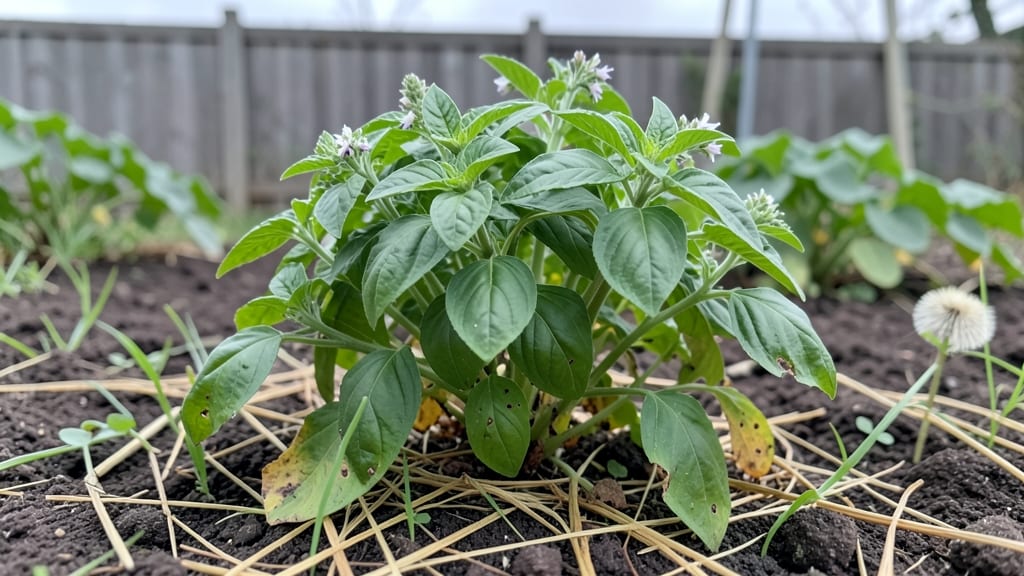
Gardening with basil plants delivers the fastest, most fragrant harvests I’ve ever seen—some varieties even flower in just 30 days under ideal conditions. 🌱 The first time I grew it, I couldn’t believe how quickly those purple stems turned into bushy, aromatic plants ready for the kitchen.
That speed is what makes basil perfect for beginners and impatient gardeners alike.
You’ll need a sunny spot (at least 6 hours of light daily), well-draining potting mix, and containers with drainage holes if growing indoors.
Basil thrives in temperatures between 60-80°F, so if you’re starting seeds now, keep them near a warm windowsill or under grow lights until soil temperatures rise. The key to that fast growth? Consistent moisture without soggy soil—think of it like keeping a sponge damp, not dripping wet.
Once your plants hit 6-8 inches tall, pinch off the top sets of leaves to encourage bushier growth. This simple trick keeps them from bolting (going to seed) too quickly, giving you weeks of harvestable leaves.
The flavor? Richer than store-bought, with that classic sweet, peppery aroma that makes summer salads sing. And the best part? You can grow it in pots, hanging baskets, or right in the garden—no fancy setup required.
Fair warning: basil hates cold drafts and wet feet, so watch for yellowing leaves or stunted growth if conditions shift. But with the right care, you’ll be harvesting fresh leaves in 4-6 weeks—plenty of time to enjoy them before the season ends. Ready to grow yours?
📚 In This Guide
- What you need
- Instructions
- Tips and common mistakes
- Wrapping up and next steps
What you need
- ● Basil seeds or seedlings: Choose disease-resistant varieties like Genovese, Sweet Basil, or Thai Basil. Buy 10-20 seeds or 3-5 healthy seedlings.
- ● Containers or garden bed: Containers: 6-12" deep pots (minimum 1 per plant) with drainage holes. Use 3-5 containers for multiple plants.
- ● Garden bed: Full sun (6+ hours/day) and well-draining soil.
- ● Potting mix: Lightweight, well-draining mix (avoid heavy garden soil). A 5-gallon bag covers 3-5 plants.
- ● Fertilizer: Balanced liquid fertilizer (10-10-10) or organic options like compost or fish emulsion.
- ● Watering can or hose with gentle nozzle: Avoid overwatering—basil hates soggy roots!
- ● Pruning shears or scissors: Sharp, clean tools to harvest and shape plants.
- ● Mulch: Straw or shredded leaves to retain moisture and suppress weeds.
- ● Grow lights (indoor setups): LED lights for 12-16 hours/day if natural light is limited.
- ● Companion plants: Try marigolds or tomatoes to deter pests naturally.
- ● Plant markers: Label seeds or seedlings to track varieties.
Step-by-Step instructions for growing basil plants
Here's how to grow basil fast—whether you're using containers or garden beds.
🌱 Step 1: Start Seeds or Transplant Young Plants
Basil grows quickly from seed, but if you're short on time, buy healthy transplants from a nursery. If starting from seed, plant them ¼ inch deep in moist potting mix. Keep the soil warm—basil seeds germinate best at 70-80°F. You'll see sprouts in 5-10 days.
If using transplants, choose ones with deep green leaves and no signs of yellowing. Gently remove them from their containers and place them in your garden or pots, ensuring the soil level matches the root ball. Avoid burying the stem too deep—this can cause rot.
🪴 Step 2: Choose the Right Containers or Garden Spot
Basil thrives in containers, so if you're growing indoors or on a patio, use pots at least 6 inches deep with drainage holes. Fill them with well-draining potting mix. For garden beds, pick a spot with full sun (6+ hours daily) and loose, fertile soil.
If your soil is heavy or clay-like, mix in compost to improve drainage. Basil hates soggy roots, so ensure water drains freely. Once planted, water deeply to settle the soil around the roots and encourage strong growth.
☀️ Step 3: Provide Consistent Light and Water
Basil needs bright light to grow fast and stay flavorful. If growing indoors, place it near a south-facing window or use a grow light 12-14 hours daily. Outdoors, ensure it gets full sun. You'll notice leggy growth if light is insufficient—this means it's stretching toward the nearest source.
Water basil when the top inch of soil feels dry. Keep the soil evenly moist but not waterlogged. Overwatering leads to yellow leaves and weak stems. A good rule: water deeply every 2-3 days in warm weather, adjusting for rain or cooler temperatures.
✂️ Step 4: Prune for Bushier Growth and Harvest Regularly
Here's the trick to fast, bushy basil: pinch off the top set of leaves when the plant reaches 6 inches tall. This encourages branching and more leaves. Keep pruning the tips as the plant grows—you'll end up with a full, productive bush instead of a single tall stem.
Harvest leaves regularly to keep the plant producing. Snip outer leaves or small stems just above a leaf node. Avoid cutting into the main stem, or you'll slow growth. You'll see new leaves filling in within a week—this is your sign the plant is happy and thriving.
💧 Step 5: Fertilize Lightly and Watch for Pests
Feed basil with a balanced liquid fertilizer every 3-4 weeks to keep it growing fast. Too much fertilizer causes rapid, weak growth that's prone to disease. I like to use half-strength fertilizer to avoid overdoing it.
Keep an eye out for pests like aphids or spider mites. If you spot them, spray the plant with water to dislodge them or use an insecticidal soap. Basil is generally pest-resistant, but stress from overcrowding or poor light can attract issues. A healthy plant is your best defense.
Tips & tricks for fast-growing basil plants
Let me share the little tricks I've learned that'll help your basil grow faster and stay healthier—whether you're working with seeds or transplants.
Germination Boost: To speed up those 5-10 days of germination in Step 1, place your seed tray on a heating mat set to 80°F. I cover mine with plastic wrap to trap moisture—just remember to remove it once sprouts appear. This creates the perfect warm, humid environment basil loves, and you'll often see sprouts in just 3-5 days instead of waiting the full time.
Container Hack: For container growing in Step 2, I always add a handful of perlite to the potting mix—it improves drainage without sacrificing moisture retention. This is especially important if you're growing indoors where water can pool. The 6-inch depth requirement is minimum, but I use 8-inch pots for better stability and root growth. Just make sure those drainage holes aren't missing!
Light Secret: When following Step 3's 12-14 hours daily light requirement indoors, I position my basil plants about 6 inches from a bright LED grow light. You'll know they're getting enough light when the leaves stay dark green—not pale or yellow. If you notice leggy growth, it's stretching for more light, and you should move it closer or add another light source.
Pruning Timing: In Step 4, I recommend pruning your basil when it reaches 6 inches tall, but here's the thing—don't wait until it's exactly 6 inches. Once you see those first 4-5 leaves forming, start pinching. This encourages more branching earlier, and you'll end up with a bushier plant that produces leaves faster. Think of it as giving your plant a haircut when it starts looking like it needs one!
Pro Tips for Gardening Basil Plants
- Let me share the little tricks I've learned that'll help your basil grow faster and stay healthier—whether you're working with seeds or transplants.
- Germination Boost: To speed up those 5-10 days of germination in Step 1, place your seed tray on a heating mat set to 80°F.
- Container Hack: For container growing in Step 2, I always add a handful of perlite to the potting mix—it improves drainage without sacrificing moisture retention.
Frequently asked questions
Got questions about growing basil?
You’re not alone! Whether you’re a beginner or a seasoned green thumb, these answers will help you cultivate thriving basil plants with ease.
How long does it take for basil to grow from seed?
Basil seeds typically sprout within 7–14 days when kept warm (70–80°F) and moist. Once sprouted, expect 6–8 weeks to harvest young leaves, or 10–12 weeks for full-size plants. For faster results, opt for transplants—they mature in 4–6 weeks!
Can I grow basil indoors year-round?
Basil thrives indoors with 6+ hours of sunlight daily (use a grow light if natural light is limited). Place it near a sunny window or under fluorescent lights. Keep soil consistently moist, rotate the pot weekly for even growth, and watch out for leggy stems—a sign of insufficient light.
Why are my basil leaves turning yellow?
Yellowing leaves usually signal overwatering, poor drainage, or nutrient deficiency. Check soil moisture (top inch should dry out between waterings) and ensure pots have drainage holes. Yellow edges? It might be chlorosis—add iron supplements or use a lime-free potting mix.
Can I grow basil in small containers or hanging pots?
Yes! Basil adapts well to 5–6 inch pots or hanging baskets, provided they have drainage. Use a lightweight potting mix, and pinch off flowers to encourage leaf growth. Just avoid overcrowding—space plants 6–8 inches apart in larger containers to prevent competition.
How do I keep basil from flowering too soon?
Flowering signals the end of the basil’s productive life. To delay blooms, pinch off flowers as soon as they appear. Also, ensure your plant gets bright light and regular pruning (trim stems just above a leaf node). Harvest leaves frequently—this encourages bushier, leafier growth!
What’s the best way to harvest basil without killing the plant?
Harvest basil by cutting just above a leaf node (where leaves meet the stem) to encourage new growth. Avoid taking more than 1/3 of the plant at once. For continuous harvests, trim stems every 2–3 weeks. Pro tip: Harvest in the morning for the freshest flavor!
Wrapping up and next steps
Growing basil is a rewarding journey that brings fresh, fragrant herbs right to your kitchen doorstep—whether in pots, garden beds, or even windowsills! 🌱 With the right light, soil, and care, you’ll enjoy a bountiful harvest in no time.
Start small, experiment with companion plants, and don’t forget to harvest regularly to encourage lush growth.
Ready to dive in? Pick your spot, grab some seeds or seedlings, and let your green thumb shine! Happy gardening—your taste buds (and pesto recipes) will thank you! 🥗✨