
Tools
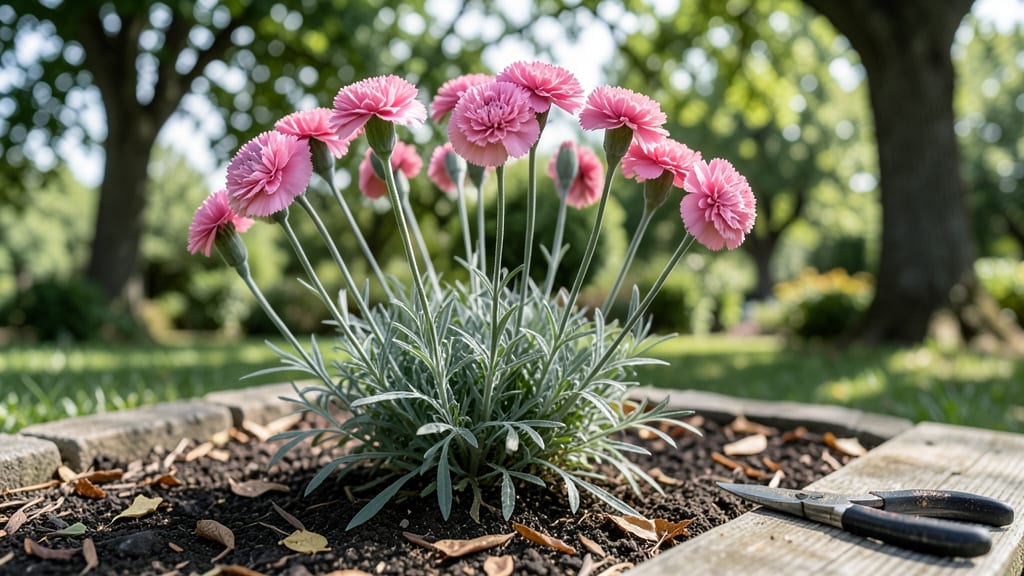
A backyard carnation garden brings sweet fragrance and bold color to any space with almost no effort. 🌸 I designed mine after realizing how easy these blooms are to grow—once you pick the right varieties and spot.
The key isn’t complicated soil or constant deadheading; it’s choosing plants that thrive in your climate and arranging them where you’ll enjoy them most.
Carnations work as borders, cottage-style clusters, or even single-species focal points. Pair them with lavender for height, thyme for texture, or marigolds for pest control.
My favorite setup uses a mix of annuals and perennials to extend the blooming season from spring through fall, with some varieties even holding through winter in milder zones. The fragrance alone makes it worth the space.
You’ll end up with a garden that smells like a grandma’s parlor but requires less upkeep than most annuals. The flowers stay vibrant for days when cut, and the plants rebound quickly after blooming.
Even my black thumb can’t kill these—just give them sun and occasional water, and they’ll reward you with color and scent for months.
Works for small urban yards, large suburban plots, or even container gardens on patios. The designs here adapt to any space while keeping maintenance simple. Let’s get those fragrant borders planted!
📚 In This Guide
- What you need
- Instructions
- Tips and common mistakes
- Wrapping up and next steps
What you need
- ● Carnation plants: 12–24 healthy Dianthus caryophyllus seedlings or bare-root plants (choose fragrant varieties like ‘William Sim’ or ‘Cinderella’).
- ● Potting soil: 5–10 gallons of well-draining, pH-balanced (6.0–7.0) garden soil or a mix of 60% topsoil, 30% compost, and 10% perlite/sand.
- ● Fertilizer: 1 lb of balanced, slow-release (10-10-10) granular fertilizer or organic options like fish emulsion.
- ● Mulch: 2–3 bags of organic mulch (e.g., straw or shredded bark) to retain moisture and suppress weeds.
- ● Watering can or hose: With a gentle spray nozzle for even watering.
- ● Gloves & knee pads: For comfortable planting and maintenance.
- ● Garden trowel: For digging small holes (6" deep).
- ● Hand pruners: Sharp, sterilized pruners for trimming dead blooms.
- ● Measuring tape: To space plants 12–18 inches apart.
- ○ Garden stakes or trellis: Optional but helpful for taller varieties (e.g., ‘Bouquet’ series).
- ● Full sun (6+ hours daily)—carnations thrive in bright light!
- ● Well-draining soil (avoid soggy spots to prevent root rot).
- ● Protection from strong winds (use a temporary windbreak if needed).
Step-by-Step instructions for planting a backyard carnation garden
Here’s how to create a fragrant, low-maintenance carnation garden that thrives year after year.
🌱 Step 1: Choose the Perfect Planting Spot
Carnations love full sun—at least 6-8 hours daily—so pick a spot with unobstructed southern or western exposure. I always test the area first by placing a white paper plate in the sun for a few hours. If it stays cool to the touch, the location gets too little light for carnations.
Well-draining soil is critical—carnations hate soggy roots. If your yard has heavy clay, amend the soil with 2-3 inches of compost mixed into the top 12 inches of soil. Work the compost in gently so it blends evenly, breaking up any compacted areas with a garden fork.
🪴 Step 2: Prepare the Soil and Plant Your Carnations
Dig holes twice as wide as the root ball but only as deep as the container’s drainage holes. This prevents burying the stems too deeply, which can cause rot. Space plants 12-18 inches apart—closer for dwarf varieties, farther for tall ones—to allow airflow and reduce disease risk.
Gently remove each carnation from its container and loosen the roots if they’re circling. Place the plant in the hole so the top of the root ball sits just below soil level. Fill in around the roots with native soil, pressing lightly to eliminate air pockets. Water deeply right after planting to settle the soil and encourage root contact.
☀️ Step 3: Water and Mulch for Long-Term Success
Keep the soil consistently moist for the first 2-3 weeks after planting, but avoid waterlogging. Carnations prefer 1 inch of water per week, either from rain or irrigation. I water in the early morning so leaves dry quickly, reducing fungal risks. You’ll know you’re doing it right when the soil feels damp 1-2 inches down but not soggy.
Spread 2-3 inches of mulch around each plant, keeping it 2 inches away from the stems to prevent rot. I use shredded bark or straw—both help retain moisture and suppress weeds. Replenish mulch as it breaks down to maintain its protective layer.
✂️ Step 4: Prune and Maintain for Continuous Blooms
Deadhead spent blooms weekly by snipping stems back to the first set of healthy leaves. This encourages more flowers and keeps the plant looking tidy. I always use clean, sharp pruners to avoid tearing stems, which can invite disease. Prune in the morning when plants are hydrated and can recover quickly.
Fertilize lightly once a month during the growing season with a balanced, slow-release fertilizer (like 10-10-10). Over-fertilizing leads to lush foliage but fewer blooms. You’ll see the difference when flowers stay vibrant and abundant instead of sparse and weak.
🌿 Step 5: Overwinter for Year-Round Fragrance
In fall, cut back wilted stems to 2-3 inches above the ground and spread 4-6 inches of mulch around the base. This protects roots from freezing temperatures. Carnations are hardy in USDA zones 5-9, but in colder climates, I add a light layer of straw over the mulch for extra insulation.
Reduce watering in winter to once every 2-3 weeks, unless snow covers the ground. In early spring, remove old mulch and add fresh compost to replenish nutrients. You’ll notice new growth within 2-3 weeks—a sure sign your carnations are ready to bloom again.
Tips & tricks for perfect backyard carnations
These simple tricks will help your carnation garden thrive with minimal effort and maximum fragrance.
Sunlight Secret: The 6-8 hours of full sun in Step 1 is non-negotiable for vibrant blooms. If your yard has afternoon shade, consider planting in a raised bed or container where sunlight reaches all sides. I've seen carnations struggle in spots that get less than 6 hours—even if they survive, they'll produce fewer flowers and weaker fragrance.
Soil Prep Game-Changer: When amending heavy clay soil with 2-3 inches of compost in Step 1, don't just dump it on top! Mix it into the top 12 inches of soil to create proper drainage. I use a garden fork to loosen compacted areas first—this makes all the difference for root health. Carnations will reward you with stronger stems and more abundant blooms when their roots aren't waterlogged.
Planting Depth Matters: In Step 2, placing the root ball just below soil level prevents stem rot while ensuring stability. I've learned this the hard way—burying stems too deeply causes them to suffocate, while planting too high leaves roots exposed. Press soil gently around roots to eliminate air pockets, but don't compact it like you would for vegetables. Carnations need loose, aerated soil to establish properly.
Watering Wisdom: The first 2-3 weeks after planting are critical for root establishment. I check soil moisture by sticking my finger 1-2 inches down—it should feel damp but not soggy. Watering in the early morning prevents fungal issues by allowing leaves to dry completely before evening. You'll know you're doing it right when your carnations show consistent new growth without wilting between waterings.
Pro Tips for Backyard Carnation Garden
- These simple tricks will help your carnation garden thrive with minimal effort and maximum fragrance.
- Sunlight Secret: The 6-8 hours of full sun in Step 1 is non-negotiable for vibrant blooms.
- Soil Prep Game-Changer: When amending heavy clay soil with 2-3 inches of compost in Step 1, don't just dump it on top!
Frequently asked questions
Got questions about creating your dream backyard carnation garden? You’re not alone! Here are some of the most common queries—plus quick, practical answers to help you grow with confidence.
When is the best time to plant carnations?
For spring-blooming varieties, plant carnations in early spring (after the last frost) or late summer. Fall-bloomers thrive when planted in late summer or early fall. If you’re in a mild climate, you can even plant them year-round—just avoid extreme heat or frost!
How often should I water my carnation garden?
Carnations prefer moderate moisture—water them deeply once or twice a week, depending on your soil and weather. Overwatering can lead to root rot, so always check the top inch of soil before watering. Mulching helps retain moisture and keeps roots cool!
What pests or diseases should I watch for?
Common pests include aphids, spider mites, and slugs, while diseases like powdery mildew or rust can appear in humid conditions. To prevent issues, ensure good airflow, remove debris, and treat pests early with neem oil or insecticidal soap.
Can I grow carnations in containers?
Carnations thrive in containers with well-draining soil and at least 6–12 inches of depth. Choose a pot with drainage holes, and opt for dwarf varieties if space is limited. Just keep them in a spot with full sun (6+ hours daily) for the best blooms!
Why aren’t my carnations blooming?
Lack of blooms often stems from over-fertilizing with nitrogen (which promotes foliage over flowers) or inconsistent sunlight. Try a balanced bloom booster fertilizer and ensure they get 6+ hours of sun. Deadheading spent blooms also encourages more flowers!
Wrapping up and next steps
A backyard carnation garden brings effortless beauty and fragrance to your space with minimal fuss—perfect for gardeners of all levels! 🌸 Whether you’re drawn to their vibrant colors, sweet scents, or resilience, these blooms prove that stunning gardens don’t require endless upkeep.
With the right soil, sunlight, and a little love, you’ll enjoy year-round charm that brightens every season.
Ready to dive in? Start small—pick a sunny spot, gather your supplies, and let your carnations teach you the joy of low-maintenance gardening. Your future self (and pollinators!) will thank you. Plant your first row today!