
Planting
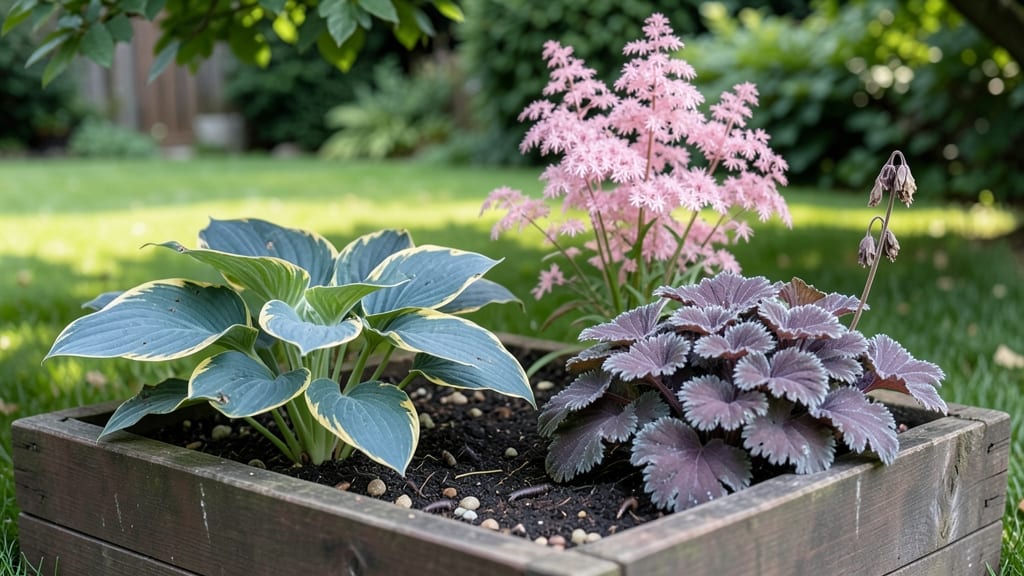
Zone 4 gardening thrives with cold-resistant plants like coneflowers, Russian sage, and hardy vegetables such as kale and spinach. Plant perennials in early spring after the last frost, while annuals and cool-season crops can start indoors 6-8 weeks before the last frost date. Use mulch to protect roots in winter and extend the growing season with row covers or cold frames.
Cold-hardy plants in Zone 4 aren’t just about surviving winter—they’re about thriving with resilience. 💛 The key lies in their genetic adaptations, like deep root systems or waxy leaf coatings that prevent frost damage.
I’ve found that native perennials like black-eyed Susans and catmint often outperform non-native varieties because they’ve evolved alongside Zone 4’s harsh winters. Even vegetables like Swiss chard and radishes can handle light frosts, turning early-season challenges into opportunities for early harvests.
Timing matters just as much as plant selection. For example, broccoli and cabbage can tolerate light freezes, so I plant them in late summer for fall harvests—just as the soil cools.
Meanwhile, tender annuals like marigolds need to wait until after the last frost, usually around May 15 in most Zone 4 regions. The trick is balancing patience with preparation: starting seeds indoors in March gives cool-season crops a head start before transplanting outdoors.
💡 In This Article
- Understanding Zone 4 Climate and Plant Hardiness
- Seasonal Planting Calendar for Zone 4 Gardens
Understanding Zone 4 climate and plant hardiness
Zone 4's extreme temperature range—from -30°F to -20°F in winter—creates a unique growing environment where only the toughest plants survive.
The USDA's coldest zone demands plants with specialized adaptations like antifreeze proteins (found in winter rye) that prevent ice crystal formation in cells, or deep taproots that access moisture below the frost line.
These adaptations explain why Russian sage thrives here—its silvery foliage reflects sunlight in summer while its roots insulate against winter's chill.
Frost dates are the gardener's compass in Zone 4, with the last spring frost typically arriving between April 15 and May 15, depending on local elevation.
What most gardeners don't realize is that soil temperature lags behind air temperature by 10-14 days—this means you can plant cold-hardy crops like peas when soil reaches 40°F, even if air temps still dip below freezing at night.
The first fall frost usually hits September 20-October 10, giving you just 60-90 days for warm-season crops to mature.
Soil composition dramatically affects cold tolerance—sandy soils drain quickly but warm faster in spring, while clay holds moisture but stays colder longer. Organic matter improves drainage while retaining heat, which is why amending with compost can push planting windows by 7-10 days earlier in spring.
Microclimates add another layer: a south-facing slope might be 5-10°F warmer than a low-lying area, allowing you to grow tomatoes in protected spots when they'd normally fail.
Comparing Zone 4 to milder zones reveals why plant selection matters so much. While Zone 7 gardeners can grow citrus trees year-round, Zone 4 gardeners must choose from a curated list of hardy perennials like daylilies (Zone 3-9) or beebalm (Zone 4-9).
The key difference is in their cellular structure: hardy plants have smaller, denser cells that resist freezing damage better than tender varieties with large, water-filled cells that burst when frozen.
One often-overlooked factor is solar radiation—Zone 4's long winter days provide 14-16 hours of daylight in December, which helps some plants like winter wheat continue growing despite cold temps.
This extended daylight period explains why cool-season vegetables often perform better in Zone 4 than in warmer climates where they'd bolt from heat stress. The trade-off? Shorter growing seasons mean you'll need to prioritize fast-maturing varieties like 'Early Wonder' peas (ready in 55 days) over slower growers.
For the most reliable results, I recommend testing your garden's specific microclimate by planting test crops like radishes (ready in 25 days) in early spring to gauge when soil is truly workable.
A simple soil thermometer will reveal the 32°F threshold where most plants can tolerate light frosts—this is your green light to start planting cold-hardy crops. 💫