Container Gardens
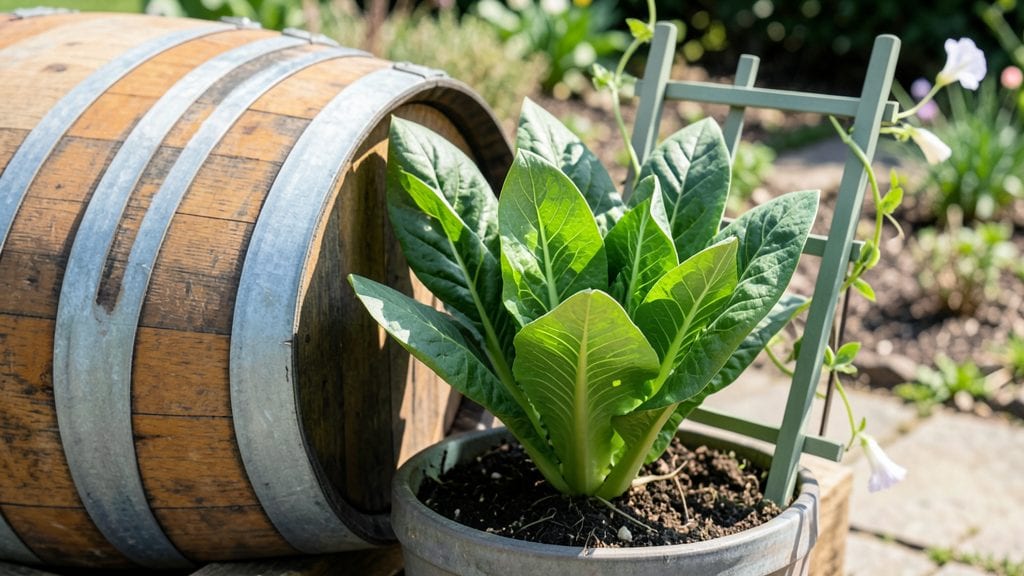
Transforming a wine barrel into a garden isn't just clever—it's a game-changer for small spaces. 🌿 I stumbled onto this idea after watching my neighbor turn an old barrel into a thriving herb garden, and now I can't imagine my patio without one.
The rustic charm alone makes it worth it, but the vertical growing space is the real magic.
You'll need a clean barrel (food-grade is best), some basic tools, and plants that love containers. Drainage holes are non-negotiable—skip this step and you're asking for root rot. My first barrel garden used a mix of succulents, herbs, and trailing flowers, but the possibilities are endless.
The key is matching plant sizes to barrel height to avoid overcrowding.
Within weeks, you'll have a lush vertical display that turns heads and produces edibles. The barrel's natural curves create cozy nooks for plants to spill over, while the wood adds warmth to any outdoor space.
Plus, it's a conversation starter—everyone wants to know how you grew that much greenery in such a small footprint.
Works for balconies, patios, or even tucked into garden beds as a focal point. The best part? You can customize the look with paint, stain, or leave it natural. Here's how to get started without overcomplicating things—no green thumb required.
📚 In This Guide
- What you need
- Instructions
- Tips and common mistakes
- Wrapping up and next steps
What you need
- ● 1-2 wine barrels: Choose food-grade barrels (preferably oak or stainless steel) with a capacity of 20-30 gallons for optimal plant growth.
- ● Drill or jigsaw: For cutting drainage holes (use a 1-inch diameter bit).
- ● Sandpaper (80-120 grit): To smooth rough edges and prevent splinters.
- ● Drill bit (1-inch): For creating drainage holes in the barrel’s base.
- ● Gravel or broken pottery: 2-3 inches of coarse material for drainage at the bottom.
- ● Potting soil: High-quality, well-draining mix (avoid garden soil—it compacts!).
- ● Plants: Opt for compact varieties like herbs (basil, thyme), succulents, or shallow-rooted veggies (lettuce, strawberries).
- ● Wood stain or paint: For a polished look (choose non-toxic, weather-resistant options).
- ● Hinges and latch: To turn the barrel into a planter box (if repurposing the top).
- ● Wheelbarrow or wheel: For easy mobility (if placing in multiple locations).
- ● Watering can with a long spout: To reach deep into the barrel.
- ● Decorative hardware: Rustic hooks, lanterns, or chalkboard labels for charm.
Step-by-Step instructions for building your wine barrel garden
Transform that rustic barrel into a thriving vertical garden with these simple steps.
🪴 Step 1: Clean and Prepare the Wine Barrel
Start by thoroughly cleaning the barrel with warm, soapy water to remove any residue. Scrub the inside and out with a stiff brush, paying special attention to crevices where old wine might linger. Rinse it out completely and let it dry in the sun for a few hours—this kills any lingering bacteria and ensures your plants start with a fresh foundation.
Once dry, inspect the barrel for any cracks or weak spots. If you find any, reinforce them with waterproof wood filler or seal them with outdoor-grade caulk. Sand down any rough edges or splinters to prevent injury when handling the barrel later. This is your chance to make sure everything is safe and stable before planting.
💧 Step 2: Drill Drainage Holes and Add a Liner
Using a power drill with a ½-inch bit, drill drainage holes along the bottom of the barrel, spacing them about 4-6 inches apart. Proper drainage is critical—without it, roots will rot and your plants will suffer. Place the barrel on a sturdy surface or a wooden stand to make drilling easier and safer.
Line the inside of the barrel with a heavy-duty landscape fabric to prevent soil from washing out through the drainage holes. Secure the fabric with staples or small nails along the top edge, leaving a few inches of extra fabric to fold over the soil later. This step keeps your soil in place while still allowing excess water to escape.
🌱 Step 3: Fill With Soil and Plant Your Selections
Fill the barrel about ⅔ full with a well-draining potting mix—avoid garden soil, as it compacts too easily and doesn’t drain well in containers. Mix in a slow-release fertilizer to give your plants a nutrient boost right from the start. Leave about 2 inches of space between the soil and the top of the barrel for watering.
Choose plants that thrive in containers and complement each other. Succulents, herbs like rosemary or thyme, and trailing plants like ferns or ivy work beautifully. Arrange them so taller plants go in the back and smaller or trailing varieties spill over the sides. Water the soil gently after planting to help it settle around the roots.
☀️ Step 4: Position for Optimal Light and Water Regularly
Place your wine barrel garden in a location that gets at least 6 hours of sunlight daily. Most plants need bright, indirect light, but succulents and herbs can handle full sun. If you’re using it as a decorative piece, make sure it’s stable—consider placing it on a sturdy stand or against a wall for support.
Water your barrel garden deeply once a week, or more often if the soil feels dry to the touch. The key is to keep the soil consistently moist but not soggy. Check the moisture level by sticking your finger about 1 inch into the soil—if it feels dry, it’s time to water. Overwatering is the biggest mistake here, so let excess water drain completely before adding more.
✂️ Step 5: Maintain and Enjoy Your Vertical Garden
Prune your plants regularly to encourage bushier growth and prevent them from becoming too leggy. Trim back any dead or yellowing leaves to keep your garden looking fresh and healthy. Fertilize every 4-6 weeks during the growing season to give your plants the nutrients they need to thrive.
Watch your wine barrel garden transform over time—it’ll become a stunning vertical display that adds charm and functionality to your space. With a little care, your barrel will stay beautiful for years, making it a unique and sustainable addition to your garden.
Tips & tricks for perfect wine barrel garden
Here's what I've learned from turning my own wine barrel into a lush vertical garden—tricks that'll help you avoid common pitfalls and create a stunning display.
Drainage is Everything: In Step 2, when you're drilling those ½-inch drainage holes, space them 4-6 inches apart along the bottom. I can't stress this enough—proper drainage prevents root rot, which is the #1 killer of container plants. If you're worried about soil loss, use a heavy-duty landscape fabric liner, but make sure it's secured tightly so it doesn't block the holes.
Soil Selection Matters: The instructions mention using a well-draining potting mix, and I couldn't agree more. I've tried regular garden soil before, and it compacts terribly in containers. For your ⅔ full barrel, mix in some perlite or vermiculite (about 10-20% of the total volume) to improve aeration. This helps prevent that soggy feeling after watering.
Plant Placement Strategy: When arranging your plants in Step 3, think about their mature size. Place taller plants like rosemary or ferns at the back, and trailing varieties like ivy or creeping thyme near the edges. This creates that beautiful cascading effect you see in photos. Pro tip: Use a small wooden stake or chopstick to create a hole for each plant—it makes transplanting much easier and reduces root disturbance.
Sunlight Secrets: The instructions mention at least 6 hours of sunlight daily, but here's the thing: different plants have different needs. Succulents and herbs like rosemary actually prefer full sun (6+ hours), while ferns and ivy can handle partial shade. If your barrel gets morning sun but afternoon shade, that's perfect for most plants. Just match your selections to the light your barrel actually receives.
Pro Tips for Wine Barrel Garden
- Here's what I've learned from turning my own wine barrel into a lush vertical garden—tricks that'll help you avoid common pitfalls and create a stunning display.
- Drainage is Everything: In Step 2, when you're drilling those ½-inch drainage holes, space them 4-6 inches apart along the bottom.
- Soil Selection Matters: The instructions mention using a well-draining potting mix, and I couldn't agree more.
Frequently asked questions
What’s the best way to clean and prepare a used wine barrel for gardening?
Start by emptying the barrel completely, then scrub it with a mixture of water and vinegar or bleach (1:10 ratio) to kill bacteria and remove residue. Rinse thoroughly and let it dry in the sun for a few days. Drill drainage holes at the bottom—about 1/4-inch in diameter—to prevent waterlogging. Pro tip: Sand rough edges to avoid splinters!
How long does it take for a wine barrel garden to start producing edibles?
This depends on what you’re growing! Fast growers like herbs (basil, mint) or leafy greens (lettuce, spinach) may yield in 4–6 weeks. Tomatoes, peppers, or strawberries can take 2–3 months to bear fruit. Patience is key—barrels insulate roots, so plants mature slightly slower than in-ground gardens.
Are there affordable alternatives to wine barrels for vertical gardening?
Repurpose wooden half-barrels, plastic storage bins, or even stacked cinder blocks lined with fabric. For a rustic look, try cedar whiskey barrels (often cheaper) or IBC totes (industrial but durable). Just ensure they’re food-safe and have drainage—creativity is your best tool!
How do I keep pests out of my wine barrel garden?
Prevent pests with copper tape around the rim (deters slugs/snails) and row covers for delicate plants. Avoid overwatering—pests love damp soil. Introduce beneficial insects like ladybugs or companion plants (e.g., marigolds) to naturally repel aphids. If issues arise, neem oil spray is a gentle, effective fix.
Can I use a wine barrel garden in cold climates?
Yes, but with adjustments! Move barrels to a sheltered spot (like a garage or under an overhang) during frost. Use insulating materials (burlap, straw) around the base to protect roots. Opt for cold-hardy plants like kale, Swiss chard, or dwarf fruit trees. In extreme cold, consider heating cables for roots—just monitor moisture closely!
Wrapping up and next steps
A wine barrel garden isn’t just a creative way to grow plants—it’s a space-saving, stylish solution that brings rustic charm to any yard or balcony.
Whether you’re a seasoned gardener or just starting out, these repurposed barrels offer endless possibilities for herbs, flowers, or veggies while adding character to your outdoor space.
Ready to get started? Grab a barrel, pick your plants, and let your green thumb shine! Your next gardening adventure awaits—happy planting! 🌱✨