
Tools
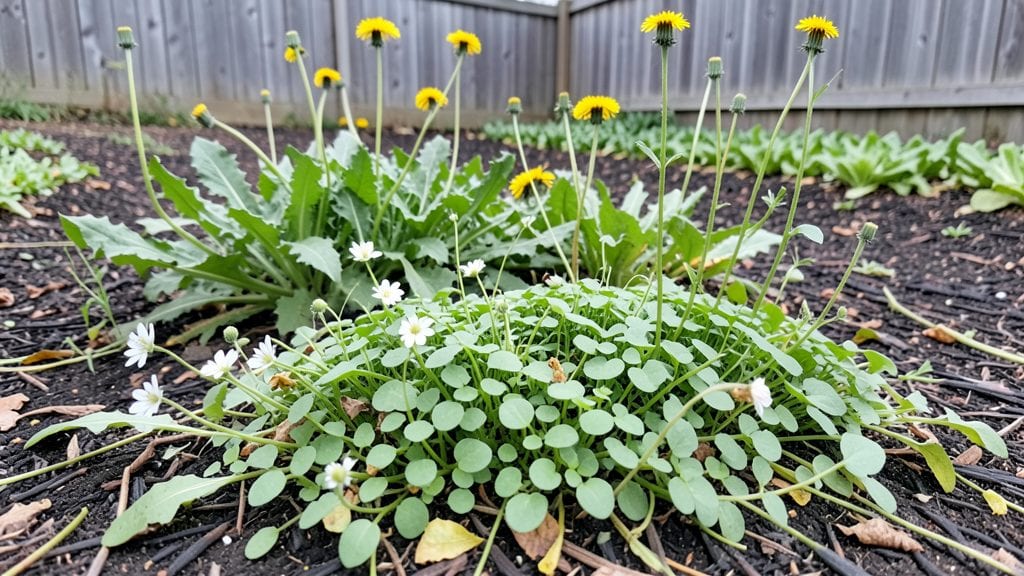
When weeds overtake your garden, it’s not just about the mess—it’s about the battle for your plants’ resources. 🌱 I’ve seen gardens go from vibrant to overrun in a single season, and the key to reclaiming them isn’t brute force but sharp blade precision and smart timing.
The right tools and techniques make all the difference between a frustrating chore and a satisfying cleanup.
Most gardeners make the same mistakes: pulling weeds too late, using dull tools, or skipping the soil prep that prevents regrowth.
I learned the hard way that a single pass with a clean, sharp hoe or weeding knife removes roots completely, while snapping weeds at soil level just encourages them to come back thicker. The secret?
Work when weeds are young and the soil is moist—before they’ve had a chance to drop seeds.
You’ll end up with beds so clean they look freshly tilled, and your vegetables and flowers will thrive without competition. The right approach cuts down on future weeds by 70% or more, and once you master it, you’ll wonder how you ever struggled before.
Let’s get those beds back under control—permanently.
This works for vegetable gardens, flower beds, and even lawn edges. Whether you’re dealing with crabgrass, dandelions, or creeping Charlie, the same principles apply. Here’s how to make it happen without backbreaking work or toxic chemicals.
Root Causes Behind Unwanted Growth
When your garden becomes a battleground against weeds, it’s rarely just bad luck—it’s usually a mix of environmental, human, and even biological factors working against your green space.
Understanding these root causes is the first step to reclaiming control. Let’s break down the science behind why weeds seem to thrive while your plants struggle.
Weeds often exploit weak soil, which lacks the nutrients, structure, or microbial activity needed to support healthy plants. Here’s why:
- Nutrient Imbalance: Soils low in nitrogen, phosphorus, or organic matter create gaps that weeds—especially opportunistic species like crabgrass or dandelions—fill quickly. These weeds have shallow roots and grow fast, outcompeting slower, deeper-rooted plants.
- Compacted Soil: Heavy foot traffic, machinery, or natural settling can compress soil, reducing oxygen and water penetration. Weeds like chickweed thrive in these conditions because their roots can spread horizontally, accessing moisture and nutrients in compacted layers.
- pH Imbalance: Extreme pH (too acidic or alkaline) locks out essential nutrients. Weeds often tolerate these conditions better than desirable plants, giving them an edge. For example, Plantago (plantain) weeds flourish in alkaline soils where many vegetables struggle.
Actionable Fix: Conduct a soil test (available at garden centers or through university extensions) to identify deficiencies. Amend soil with compost, organic matter, or lime/sulfur to adjust pH and improve structure.
Weeds are masters of adaptation, and sunlight is their superpower. Here’s how they hijack your garden’s light:
- Gaps in Planting: Bare soil or sparse plantings create open spaces where weeds like pigweed or lamb’s quarters germinate en masse. These species can produce thousands of seeds per plant, ensuring they fill any available real estate.
- Shade Tolerance: Some weeds, such as creeping Charlie (Glechoma hederacea), thrive in partial shade where many flowers or vegetables would falter. Their low light requirements let them spread unchecked under trees or tall crops.
- Succession Timing: Weeds often germinate in waves, timed to exploit disturbances. For example, summer annuals like goosegrass germinate when soil temperatures rise, while winter annuals (e.g., henbit) take over in cooler months.
Actionable Fix:
- Use mulch (straw, wood chips, or cardboard) to block light and suppress weed seeds.
- Plant densely with competitive ground covers (e.g., clover, creeping thyme) to outshade weeds.
- Sow cover crops (like rye or buckwheat) in off-seasons to starve out weed seeds.
Overwatering or inconsistent irrigation creates the perfect conditions for weeds to dominate. Here’s how:
- Excess Moisture: Weeds like nutsedge (Cyperus spp.) and sedges thrive in soggy soil, where many ornamental or vegetable plants rot. Their rhizomes spread aggressively in waterlogged conditions.
- Surface Watering: Sprinklers or hose streams create puddles that wash away soil, exposing buried weed seeds. These seeds germinate rapidly when the soil surface is disturbed and moist.
- Drought Stress in Plants: When desirable plants wilt from underwatering, weeds like purslane or Russian thistle (tumbleweed) take over by retaining moisture in their succulent stems or deep taproots.
Actionable Fix:
- Water deeply but infrequently to encourage deep root growth in plants, outcompeting shallow-rooted weeds.
- Use drip irrigation or soaker hoses to deliver water directly to plant roots, avoiding surface runoff.
- Install a rain gauge to monitor moisture levels and prevent overwatering.
Even well-meaning gardening practices can disrupt the delicate balance that keeps weeds in check. Here’s how:
- Overuse of Synthetic Fertilizers: High nitrogen fertilizers promote lush weed growth (like crabgrass) while sometimes stunting slower-growing perennials. Weeds adapt faster to these conditions than many cultivated plants.
- Pesticide Resistance: Repeated use of herbicides can create resistant weed strains (e.g., horseweed or Palmer amaranth). These "superweeds" develop mutations that survive treatments, spreading uncontrollably.
- Disrupted Microbial Life: Heavy use of fungicides or broad-spectrum herbicides can kill beneficial soil microbes and mycorrhizal fungi, which help plants absorb nutrients. Weeds, with simpler nutrient needs, fill the void.
Actionable Fix:
- Switch to organic fertilizers (compost, worm castings) to feed soil life, not just plants.
- Rotate herbicide classes annually to prevent resistance (e.g., alternate glyphosate with vinegar-based sprays).
- Introduce beneficial nematodes or mycorrhizal fungi to boost plant resilience.
Sometimes, the problem isn’t the garden—it’s the gardener. Unintentional habits can turn a tidy bed into a weed wonderland:
- Lack of Maintenance: Skipping weekly weeding sessions allows weeds to mature, produce seeds, and expand their territory exponentially. A single dandelion can release up to 200 seeds per stem!
- Improper Tool Use: Using dull or dirty tools can spread weed seeds or damage plant roots, creating entry points for invaders. For example, dragging a mower over clover seeds embeds them in soil, triggering germination.
- Ignoring Edges and Pathways: Weeds often creep in from sidewalks, driveways, or neighboring properties. Species like bindweed (Convolvulus arvensis) spread via underground runners, infiltrating gardens from just a few inches of exposed soil.
Actionable Fix:
- Adopt a "2-inch rule": Remove weeds before they reach 2 inches tall to prevent seed production.
- Sanitize tools with rubbing alcohol or bleach between uses to avoid cross-contamination.
- Install edging (metal, stone, or plastic) to create barriers against creeping weeds.
By addressing these root causes—soil health, light competition, water management, chemical balance, and human habits—you’ll disrupt the conditions that let weeds thrive. The key is proactive prevention, not just reactive cleanup. Once you understand the "why," tackling the "how" becomes far more effective (and less frustrating!).
Stop Weeds Before They Win
Now that you understand why weeds are taking over your garden, let’s tackle them head-on with practical, effective strategies. Below, we’ve mapped out cause-specific solutions—plus prevention tips—to reclaim your garden beds with confidence.
Think of this as your battle plan, complete with tools, timing, and techniques to outsmart those stubborn invaders.
Fix: Give your plants room to breathe—and weeds less space to thrive.
- 🔥 Mulch Like a Pro: Apply 2–4 inches of organic mulch (straw, wood chips, or shredded leaves) around plants. This blocks sunlight (weeds’ #1 enemy) and retains moisture. Pro tip: Refresh mulch every 3–4 months to maintain the barrier.
- 🌱 Strategic Planting: Space seeds and seedlings according to package instructions. Overcrowding weakens plants, making them vulnerable to weed competition.
- 💡 Prevention: Plant fast-growing cover crops (like clover or vetch) in empty beds to outcompete weeds naturally.
Fix: Healthy soil = strong plants that outgrow weeds.
- 🍳 Feed the Good Guys: Amend soil with compost or well-rotted manure before planting. Aim for 1–2 inches mixed into the top 6 inches of soil. Weeds love nutrient-poor ground—give your garden a boost!
- 👨🍳 Soil Test First: Use a DIY soil test kit (or send a sample to your local extension office) to check pH and nutrient levels. Adjust with lime (for acidic soil) or sulfur (for alkaline soil) as needed.
- 🌡️ Boost Microbes: Sprinkle mycorrhizal fungi or compost tea on beds to strengthen plant roots, making them more resilient to weed pressure.
Fix: Weeds thrive on inconsistency—so do your plants (but in a good way).
- 💧 Deep and Infrequent: Water deeply 1–2 times per week (early morning is best) to encourage strong root systems. Shallow, frequent watering keeps weeds happy—steal their moisture by soaking the soil instead.
- 🔪 Drip Irrigation Hack: Install soaker hoses or drip lines near plant bases. This delivers water directly to roots, reducing surface evaporation and weed germination.
- ✨ Prevention: Use landscape fabric under mulch in high-weed areas (like pathways) to cut off water access to weeds without harming plants.
Fix: Stay one step ahead with these low-effort tactics.
- 🔪 Hand-Pulling Power Move: Grab weeds at the base (especially dandelions and thistles) when soil is moist. A weed-pulling tool or hula hoe makes this easier on your back.
- 🍂 Weekly Weed Patrol: Spend 10–15 minutes per bed removing weeds before they seed. Prevention is easier than cleanup!
- 🎯 Solarization (For Serious Cases): In hot climates, cover bare soil with clear plastic sheeting for 4–6 weeks. The sun cooks weeds and seeds—just remove the plastic and replant.
Invest in these game-changing tools to save time and energy:
| Tool | Best For | Pro Tip |
|---|---|---|
| Hula Hoe | Cutting weeds at the surface | Works in rows—great for veggie beds! |
| Weeding Knife | Deep-rooted weeds (like bindweed) | Slides between roots with precision. |
| Boiling Water Kettle | Spot-treating sidewalk cracks | Eco-friendly and fast-acting! |
| Flame Weeder | Large areas (no chemicals) | Best for driveways or gravel paths. |
- 💡 Start with Bare Soil: Solarize or smother empty beds with cardboard + mulch before planting.
- 🌱 Choose Competitive Plants: Fast-growing crops (like radishes or lettuce) outpace weeds.
- 🔄 Rotate Plant Families: Prevents soil-borne weed seeds from dominating (e.g., don’t plant tomatoes in the same spot yearly).
- 🕰️ Time Your Planting: Sow seeds closely together initially, then thin to reduce gaps where weeds sneak in.
Remember: Weeds are a sign your garden needs love—not a lost cause. With consistent care, the right tools, and a little strategy, you’ll turn those overrun beds into lush, weed-free sanctuaries. Now grab your gloves and get to work—your garden’s waiting!
Frequently asked questions
What’s the best time of day to pull weeds?
Early morning is ideal—soil is moist from dew, making weeds easier to remove by the roots. Avoid midday when soil dries out, as pulling weeds then often leaves fragments behind that regrow. For stubborn weeds like dandelions, work after rain when roots are softest.
Can I use vinegar to kill weeds without harming my plants?
Only on target weeds! Vinegar (with 20-30% acidity) burns foliage on contact but can damage nearby plants. For spot treatment, mix vinegar with 1 tablespoon dish soap and apply directly to weeds on a dry, sunny day. Avoid using near desirable plants or in flower beds—it’s not selective.
How do I prevent weeds from coming back after clearing them?
Combine mulch (2-3 inches) with dense planting. Use straw or wood chips to block light, and plant competitive ground covers like clover or creeping thyme. For empty beds, solarize with clear plastic for 4-6 weeks in summer to kill dormant seeds before replanting.
Are there any weeds that actually benefit my garden?
Yes! Clover fixes nitrogen in soil, while dandelions attract pollinators. However, let them grow only in designated areas—not mixed with vegetables. For a balanced approach, allow a few "good" weeds in borders or pathways while keeping beds weed-free.
Why do weeds keep coming back even after I pull them?
Most likely, you’re missing the roots or seeds. Use a weeding knife for deep roots, and always pull when soil is moist. Many weeds produce thousands of seeds—remove them before they flower! Also check for buried seed banks by solarizing bare soil before replanting.