
Watering
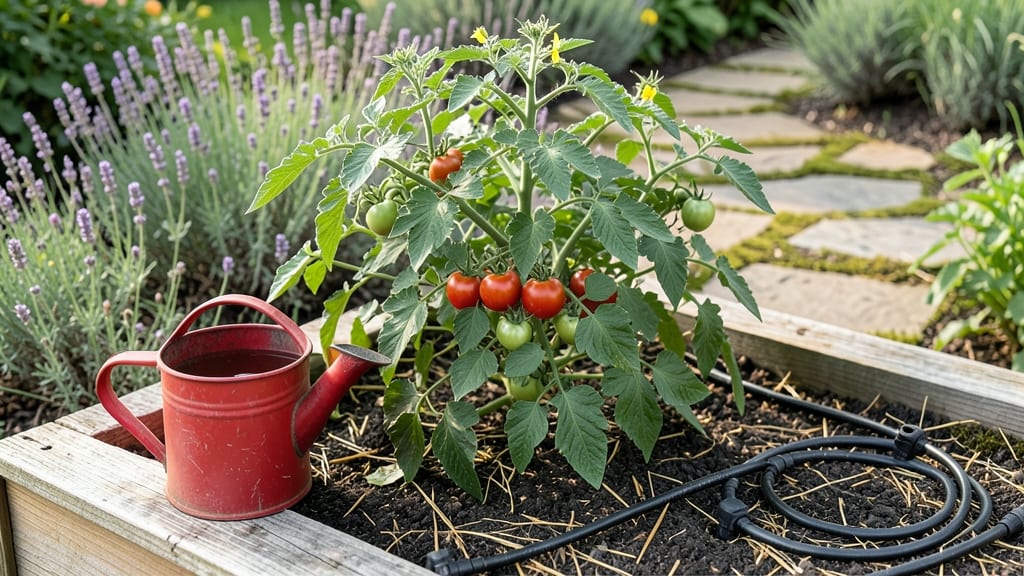
Watering your vegetable garden isn’t just about keeping soil damp—it’s the secret to shockingly lush harvests and plants that fight off disease like champions.
I learned this the hard way when my zucchini flowers turned bitter after inconsistent watering, and now I treat watering like a science with a schedule that matches each plant’s needs. The right timing, depth, and method make all the difference between wilted lettuce and crisp, thriving greens.
Start with a simple setup: a 5-gallon watering can or drip irrigation kit, a moisture meter (or just your finger), and a 2-3 inch deep soaker hose for larger beds.
Most vegetables need 1-1.5 inches of water per week, but root crops like carrots prefer deeper, less frequent watering while leafy greens like spinach stay happy with frequent shallow drinks. The key? Water early morning when plants can absorb moisture before the heat evaporates it.
You’ll know you’re nailing it when your soil stays crumbly and moist (not soggy) and your plants stand tall with vibrant leaves. Overwatering leads to yellowing leaves and root rot, while underwatering causes wilting and stunted growth.
Mulch with straw or grass clippings to lock in moisture and keep roots cool—this cuts watering time by 30-50% and saves your back from hauling water.
Adapt this schedule for your climate: desert gardeners need deeper, less frequent watering, while humid regions may require more frequent light waterings. Once you master the rhythm, your garden will reward you with neighbor-jealousy levels of productivity. Let’s get those plants drinking right!
📚 In This Guide
- What you need
- Instructions
- Tips and common mistakes
- Wrapping up and next steps
What you need
- ○ Watering can (5-gallon capacity) – Look for one with a rose nozzle for gentle, even watering. (Optional: Addable spray nozzle for seedlings.)
- ● Garden hose (½-inch diameter, 25+ feet) – A soaker hose or drip irrigation kit (50–100 ft) saves time and water.
- ● Water timer or smart sprinkler controller – Automates watering schedules (e.g., Orbit B-Hyve or Rain Bird).
- ○ Moisture meter (optional but handy) – Checks soil hydration (e.g., Xiaomi Smart Soil Moisture Sensor).
- ● Rain gauge – Tracks natural rainfall to adjust watering (e.g., Acurite digital gauge).
- ● Bucket (5-gallon) or water storage jug – For hand-watering or emergencies.
- ● Mulch (2–4 inches of straw, wood chips, or compost) – Retains moisture and reduces evaporation.
- ● Know your soil type – Sandy soil drains fast; clay holds water longer. Test with the jar test or a soil kit.
- ● Sunlight & shade mapping – Group plants with similar water needs (e.g., leafy greens vs. tomatoes).
- ● Weather forecast access – Adjust watering for rain or heatwaves (apps like Weather Underground help!).
- ● Dedicated water source – A spigot near your garden or a rain barrel (with a fine mesh filter) works best.
Instructions for a precision watering schedule in your vegetable garden
Here’s how to water your vegetable garden like a pro—consistent, efficient, and tailored to each plant’s needs.
Understand Your Plants’ Water Needs
Not all vegetables drink the same. Leafy greens like spinach and lettuce prefer shallow, frequent watering to keep soil moist but not soggy, while root crops like carrots and potatoes need deep, infrequent watering to encourage strong root growth. Tomatoes and peppers thrive with steady moisture, while beans and peas are more drought-tolerant once established. Group plants with similar water needs together to simplify your schedule.
Check soil moisture daily by sticking your finger 1-2 inches deep. If it feels dry, it’s time to water. In hot climates, you may need to water twice daily—once in the early morning and once in the late afternoon—to prevent stress. Avoid watering in the evening, as damp foliage invites fungal diseases like powdery mildew.
Water Deeply and Infrequently for Strong Roots
Most vegetables benefit from deep watering, which encourages roots to grow downward in search of moisture. Use a soaker hose or drip irrigation system to deliver water slowly at the base of plants, minimizing evaporation and runoff. Water for 15-30 minutes per session, depending on soil type—sandy soil drains faster and may need longer watering, while clay holds moisture longer.
If you’re using a sprinkler, water for 20-30 minutes to ensure the top 6 inches of soil are thoroughly moistened. Early morning is ideal because it allows foliage to dry quickly, reducing disease risk. Avoid overhead watering during the day, as it can scorch leaves and waste water through evaporation.
Adjust for Weather and Soil Conditions
Your watering schedule isn’t set in stone—it changes with the seasons and weather. After a heavy rain, skip watering entirely. If temperatures drop below 50°F, reduce frequency since plants metabolize slower. During heatwaves, increase watering but monitor for signs of stress, like wilting or yellowing leaves, which may indicate over- or under-watering.
Soil type plays a huge role. Sandy soil drains quickly and may need watering every 1-2 days, while loamy soil retains moisture longer and can go 3-4 days between waterings. Test your soil’s drainage by digging a hole, filling it with water, and timing how long it takes to drain. If it disappears in under an hour, your soil drains too fast and needs amending with organic matter.
Mulch to Retain Moisture and Reduce Evaporation
Apply a 2-3 inch layer of organic mulch, like straw or wood chips, around plants to lock in moisture and regulate soil temperature. Mulch also suppresses weeds, which compete for water. Replenish mulch as it breaks down or washes away, especially after heavy rains. Avoid piling mulch against plant stems, as this can trap moisture and cause rot.
For container-grown vegetables, check soil moisture more frequently since pots dry out faster. Water containers when the top inch of soil feels dry, and use saucers to catch excess water, which you can reuse for other plants. Containers also benefit from mulch—top-dress with 1 inch of shredded bark or leaves to slow evaporation.
Monitor and Troubleshoot Common Issues
Yellowing leaves often signal overwatering, while crispy edges or wilting indicate underwatering. Adjust your schedule based on what you observe. If plants develop fungal issues like blight or powdery mildew, reduce overhead watering and water at the base instead. Drip irrigation is the gold standard for disease prevention, as it keeps foliage dry.
Keep a watering journal to track what works. Note the date, time, duration, and weather conditions for each session. Over time, you’ll spot patterns—like how your garden handles heatwaves or droughts—and fine-tune your approach. Consistency is key; even slight fluctuations in moisture can stress plants and reduce yields.
Tips & tricks for precision vegetable garden watering
Mastering the art of vegetable garden watering isn't about rigid rules—it's about understanding your plants' unique needs and adapting to your environment. These insights will help you create an optimal watering routine that keeps your garden thriving without waste.
Soil Depth Matters: When checking soil moisture in Step 1, focus on the 1-2 inch depth—this is where most plant roots actively seek moisture. I've learned the hard way that surface moisture can be misleading; always check deeper to understand your plants' true hydration needs. For container plants, remember that the top inch is your guide, as pots dry out much faster than in-ground soil.
Timing Secret: The 15-30 minute watering sessions in Step 2 should deliver water slowly to allow proper absorption. I recommend using a timer with your soaker hose to avoid overwatering, especially in clay soils that hold moisture longer. For sprinklers, the 20-30 minute range ensures you penetrate to the critical 6 inch depth—any less risks shallow root development.
Temperature Sensitivity: The 50°F threshold in Step 3 is crucial—below this, plant metabolic processes slow dramatically. I've noticed that even heat-loving tomatoes become stressed when nighttime temperatures dip below this mark. During heatwaves, split your watering into two sessions: early morning to hydrate and late afternoon to replenish lost moisture, but never water after sunset to prevent fungal growth.
Mulch Application Strategy: The 2-3 inch layer of mulch in Step 4 should be spread evenly but kept 1 inch away from plant stems to prevent rot. I've found that straw works best for most vegetables—it breaks down slowly while allowing water penetration. For containers, that 1 inch top-dressing makes a surprising difference in moisture retention, especially in hot, dry climates.
Pro Tips for Watering Veg Garden
- Mastering the art of vegetable garden watering isn't about rigid rules—it's about understanding your plants' unique needs and adapting to your environment.
- Soil Depth Matters: When checking soil moisture in Step 1, focus on the 1-2 inch depth—this is where most plant roots actively seek moisture.
- Timing Secret: The 15-30 minute watering sessions in Step 2 should deliver water slowly to allow proper absorption.
Frequently asked questions
Got questions about keeping your veggie garden lush and hydrated? You’re not alone! Here are answers to the most common concerns—so you can water like a pro and watch your garden thrive.
How often should I water my vegetable garden?
Most veggies need 1–1.5 inches of water per week, including rainfall. Water deeply 2–3 times per week (early morning is best) to encourage strong roots. Leafy greens like lettuce prefer frequent, shallow watering, while tomatoes and peppers thrive with deeper, less frequent soaks. Check soil moisture—if the top 1–2 inches feel dry, it’s time to water!
What’s the best time of day to water vegetables?
Water your garden between 6–10 AM to minimize evaporation and fungal diseases. Avoid evening watering, as damp leaves overnight can attract pests and mildew. If you must water later, use a drip irrigation system to target roots directly and reduce foliage wetness.
Can I use rainwater or collected water for my veggie garden?
Rainwater is chemical-free and ideal for veggies. Collect it in barrels (with a fine mesh to block debris) and use it to water plants, especially leafy greens like spinach and kale. Just avoid using water from roofs treated with copper or asphalt, as it can harm plants over time.
Why are my vegetable leaves turning yellow or wilting?
Yellowing leaves often signal overwatering or poor drainage, while wilting can mean underwatering or root stress. Check soil moisture first—if it’s soggy, reduce watering and improve drainage with compost or sand. If the soil is bone-dry, water deeply and mulch to retain moisture. Pests or disease? Inspect undersides of leaves for signs like spots or bugs.
How do I adjust watering in extreme heat or cold?
| Condition | Watering Adjustments |
|---|---|
| Extreme Heat (90°F+) | Water early morning + late evening (2x/day) to prevent shock. Use mulch to lock in moisture and shade cloth for delicate plants like peppers. |
| Cold Snaps (Below 50°F) | Reduce frequency but keep soil moist—dry soil freezes faster. Water at the base only (avoid wetting foliage) to prevent frost damage. |
Wrapping up and next steps
Mastering the art of watering your veggie garden isn’t just about timing—it’s about nurturing growth with confidence. 🌱 By following a precision schedule, adjusting for weather, and choosing the right tools, you’ll watch your plants flourish into a bountiful harvest. Remember: consistency is key, but adaptability keeps your garden thriving.
Ready to take the next step? Start with one bed or row and track your progress—soon, you’ll be a watering pro! 💧 For extra tips, join a local gardening group or explore soil moisture meters to fine-tune your technique. Happy growing!