
Watering
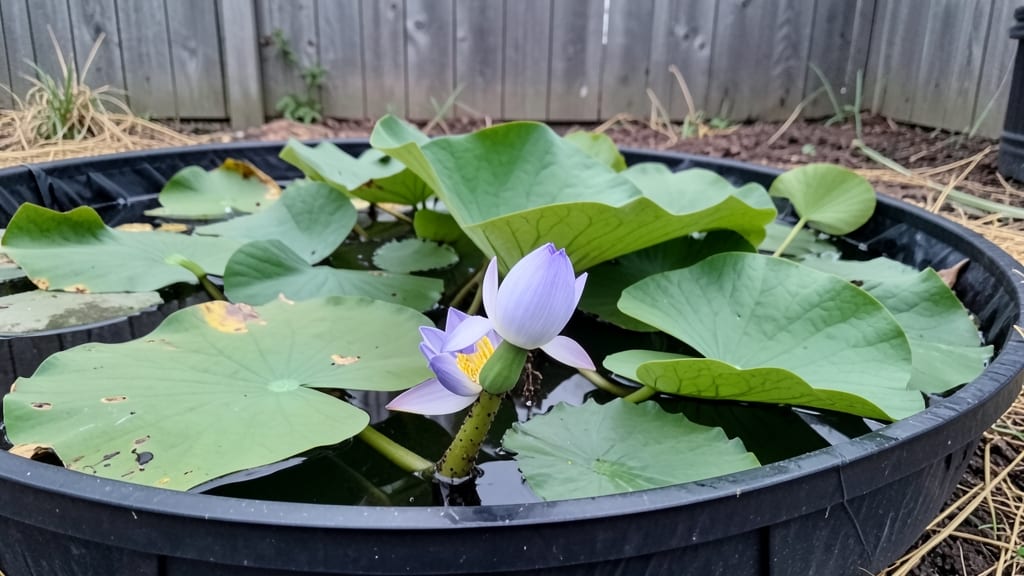
A water lily garden transforms any pond into a tranquil oasis that feels like stepping into a secret painting. 🌸 I’ve designed mine around a small backyard pond, and the way those pads unfurl each morning—like nature’s own watercolor—never fails to stop me in my tracks.
The key isn’t just dropping plants in the water; it’s creating a scene where sunlight, depth, and color work together to make the whole space feel alive.
The magic happens with the right setup: 6-12 inches of water depth for hardy lilies, full sun for vibrant blooms, and a few simple companion plants like cattails or iris to frame the edges.
You’ll need a few tubers (or potted plants) to start, and once they’re planted, they’ll spread with almost no effort—just the occasional deadhead to keep them looking their best. The best part? These plants thrive on neglect, so you can enjoy the view without the fuss.
Imagine waking up to pads the size of saucers, their edges ruffled by morning breezes, and blooms that open like clockwork at dawn. The colors range from classic white and yellow to deep purples and pinks, so you can mix and match for a look that feels intentional.
My favorite moment is watching dragonflies perch on the edges—it’s like the garden is alive with its own little ecosystem.
This setup works for any pond size, from a tiny container to a sprawling backyard water feature. The only real rule is giving them space to grow, and even then, they’ll fill in beautifully over time. Let’s make your pond the star of the garden—without the upkeep.
📚 In This Guide
- What you need
- Instructions
- Tips and common mistakes
- Wrapping up and next steps
What you need
- ● Water lilies: 3–5 hardy water lily plants (e.g., Nymphaea spp.)—choose based on your pond’s depth (surface or submerged varieties).
- ● Pond or container: A pre-existing pond (minimum 18" deep) or a large, sturdy container (at least 24" in diameter) with drainage.
- ● Pond soil or substrate: 1–2 bags of aquatic plant soil or a mix of garden soil + sand (sterilized).
- ● Fertilizer: Slow-release aquatic plant fertilizer (e.g., Miracle-Gro Aquatic Plant Food).
- ● Gravel or pebbles: 5–10 lbs of smooth, rounded stones (for anchoring and aesthetics).
- ● Water level gauge: A simple ruler or floating tape measure (to monitor depth).
- ● Gloves & shears: Waterproof gardening gloves and pruning shears (for planting and maintenance).
- ● Floating plant mats: Pre-planted coir mats with water lilies (for instant greenery).
- ● Pond dye: Natural blue or green dye to enhance water clarity (if needed).
- ● Solar-powered fountain: Adds movement and oxygenates water (low-maintenance!).
- ● Pond thermometer: Helps track water temperature for lilies’ health.
- ● Barrier netting: Protects lilies from pests (e.g., dragonflies or birds).
Step-by-step instructions for creating a water lily garden
Here's how to craft a stunning, low-maintenance water lily display that thrives with minimal effort.
🪴 Step 1: Select and Prepare the Right Container
Choose a container that's at least 18 inches deep—water lilies need plenty of space for their roots to spread. A round pond or large plastic tub works perfectly. Clean the container thoroughly with a 10% bleach solution to kill any algae or bacteria before filling it with 12 inches of pond water.
Here's the thing—water lilies grow best in still water, so avoid containers with fountains or waterfalls. Place your container in a spot that gets 6-8 hours of direct sunlight daily. Partial shade will slow growth, but too much sun can scorch the leaves. Test your spot by observing how sunlight moves across it throughout the day.
🌱 Step 2: Plant the Water Lily Tubers
Gently place each water lily tuber in the container, spacing them about 12-18 inches apart to allow room for growth. Position them horizontally with the eyes facing upward—these are the buds where new growth will emerge. Cover them with 2-3 inches of pond water to keep them submerged but not buried.
Don't rush this step. Water lilies are sensitive to handling, so take your time placing each tuber carefully. Once planted, let them settle for 1-2 weeks before adding more water. You'll see tiny shoots emerge within 7-14 days, signaling that the tubers have taken root.
☀️ Step 3: Maintain Water Quality and Light
Keep the water level at 6-12 inches deep, depending on the lily variety. Deeper water encourages larger leaves and flowers. Use a pond aerator if your container is large to ensure oxygen circulation, especially in hot weather. Change 25% of the water every 2 weeks to prevent nutrient buildup and algae growth.
Watch for signs of nutrient depletion—yellowing leaves or slow growth means it's time for a refresh. If you notice algae forming on the water surface, add a few drops of barley straw extract to naturally inhibit its growth. Your lilies will reward you with vibrant blooms in 6-8 weeks if conditions are right.
✂️ Step 4: Prune and Divide as Needed
Once your water lilies are established, you may need to thin them out to prevent overcrowding. Use clean, sharp scissors to trim back any yellowed or damaged leaves, cutting them at the base. Remove any spent flowers by snipping the stems just above the water line to encourage new blooms.
Here's what I do—every 2-3 years, I divide the tubers in early spring. Lift them from the water, separate the clumps with your hands, and replant the healthiest sections. This keeps your lilies vigorous and prevents them from becoming too crowded. You'll know it's time when you see fewer blooms or leaves growing smaller each year.
Tips & tricks for perfect water lily gardens
Creating a thriving water lily garden takes patience and a few key tricks to ensure your lilies flourish with minimal fuss.
Container Depth Matters: That 18-inch minimum depth is non-negotiable—water lilies need space for their roots to spread and grow strong. I've seen people use shallow containers and wonder why their lilies never bloom. If you're working with a smaller space, consider a deeper plastic tub instead of a shallow pond. The roots need room to establish themselves properly before you'll see those stunning blooms.
Sunlight Strategy: The 6-8 hours of direct sunlight is your golden rule, but here's what nobody tells you—morning sun is gentler than afternoon sun. If you're in a hot climate, position your container to catch the morning rays first, then move it to partial shade in the afternoon. This prevents those unsightly sunburnt leaves while still giving your lilies the light they crave.
Water Level Wisdom: Maintaining that 6-12 inch water level is crucial, but don't be afraid to adjust slightly based on your lily variety. Tropical varieties love deeper water (closer to 12 inches), while hardy types can thrive in shallower depths. And here's a pro move: if you notice leaves floating too high out of the water, gently push them back down—they'll grow stronger with proper submersion.
Algae Prevention: That 25% water change every 2 weeks is your best defense against algae, but I've found an extra trick that works wonders. Add a few drops of barley straw extract right after your water change—it releases natural compounds that prevent algae growth for weeks. It's like having a built-in water cleaner without any harsh chemicals.
Pro Tips for Water Lily Garden
- Creating a thriving water lily garden takes patience and a few key tricks to ensure your lilies flourish with minimal fuss.
- Container Depth Matters: That 18-inch minimum depth is non-negotiable—water lilies need space for their roots to spread and grow strong.
- Sunlight Strategy: The 6-8 hours of direct sunlight is your golden rule, but here's what nobody tells you—morning sun is gentler than afternoon sun.
Frequently asked questions
Got questions about creating your dream water lily garden? You’re not alone! Here are answers to the most common queries to help you dive in with confidence.
How deep should my pond be for water lilies?
Most water lilies thrive in 12–18 inches of water. Tropical varieties (like Nymphaea lotus) prefer deeper spots (up to 3 feet), while hardy types (like Nymphaea alba) do well in shallower areas. Always check the specific variety’s needs—some even float in just 6 inches!
When is the best time to plant water lilies?
Plant in early spring (after the last frost) or late summer (before fall chill). Avoid winter planting—they won’t survive freezing temps. For container-grown lilies, you can plant year-round in warm climates, but spring ensures the best root establishment.
Can I grow water lilies in containers instead of a pond?
Use large, heavy containers (at least 12–18 inches deep) with drainage holes. Fill with pond substrate (like gravel) and water, then anchor the container securely. Just ensure it’s stable—water lilies can get heavy as they grow!
Will water lilies attract pests like frogs or mosquitoes?
Water lilies repel mosquitoes by covering the water’s surface, blocking breeding sites. They also attract beneficial wildlife like frogs (which eat pests) and dragonflies. Just avoid stagnant water near your garden—keep it flowing gently to deter pests entirely.
How do I keep my water lilies looking healthy with minimal effort?
Start with clean water (use a small pump or fountain for circulation) and partial shade (4–6 hours of sun daily). Prune yellow leaves in spring, and fertilize lightly with aquatic plant tabs. Overcrowding? Thin out tubers every 2–3 years for a lush, low-maintenance display.
Still stumped? Drop your question below—we’re happy to help your water lily garden bloom with ease!
Wrapping up and next steps
Creating a water lily garden is more than just a hobby—it’s an invitation to tranquility and effortless beauty. With the right setup, you’ll enjoy a stunning, low-maintenance oasis that thrives on nature’s grace.
Whether you’re a beginner or a seasoned gardener, this serene space will reward you with floating elegance and peace.
Ready to dive in? Start small—pick a sunny spot, gather your supplies, and let your water lilies do the work! 🌸💦 Your next step: Sketch a simple design, then plant your first lily this weekend. The water’s waiting for you!