
Tools
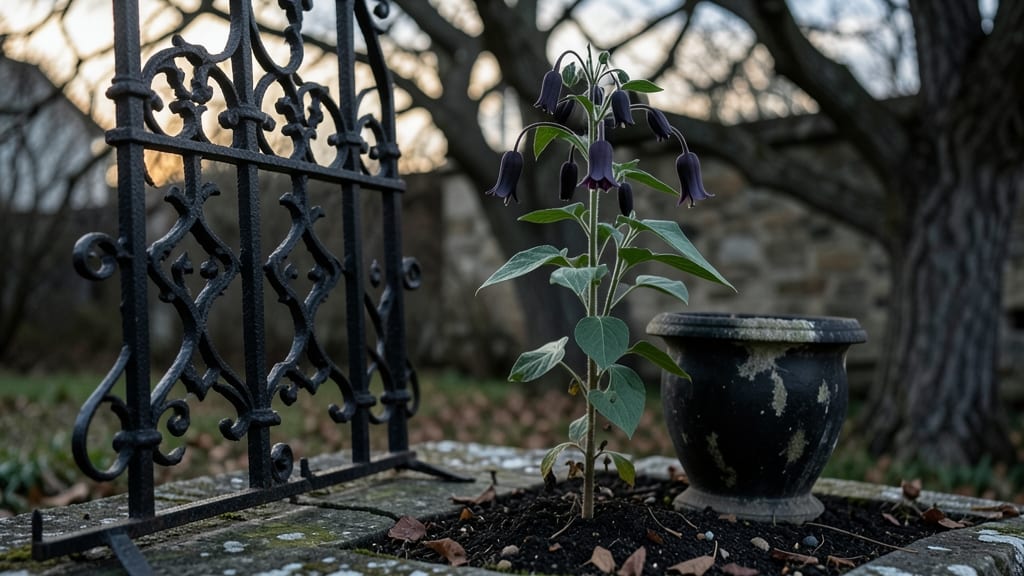
Creating a goth garden transforms your yard into a moody sanctuary where dark foliage and dramatic flowers steal the show. ✨ I stumbled upon this aesthetic after craving a space that felt both mysterious and serene—no bright annuals here, just deep purples, velvety blacks, and silvery blues that whisper secrets at dusk.
The right plants turn any backyard into a gothic retreat, whether you're after year-round privacy or just a striking visual contrast to sunny neighbors.
Start with black mondo grass for lush ground cover that looks like liquid shadow, then layer in heucheras for their jet-black leaves and ornamental grasses like Miscanthus for movement.
Add deep purple flowers like black baccara roses or heavenly blue salvia to draw the eye, and don’t forget evergreen shrubs like Ilex crenata for structure. The key is mixing textures—smooth leaves against spiky grasses, glossy against matte—to create depth that feels alive even in winter.
Lighting makes or breaks the vibe: black metal lanterns with warm bulbs cast eerie glows, while solar-powered stake lights outline paths like ghostly footsteps. Add a few weathered statues or wrought-iron trellises for that classic gothic touch, and suddenly your garden feels like a secret escape.
The best part? This style thrives on minimal maintenance—just prune, mulch, and let the drama unfold naturally.
Works in any climate, from coastal foggy zones to sunny deserts—just swap heat-sensitive plants for drought-tolerant ones like purple coneflowers or silver artemisia. The real magic happens when you let the plants do the talking, so start small: one dark corner, one striking focal point.
Your garden will thank you with year-round intrigue—no summer color fade-outs here.
📚 In This Guide
- What you need
- Instructions
- Tips and common mistakes
- Wrapping up and next steps
What you need
- ● 1-3 Black Mondo Grass (Ophiopogon planiscapus 'Nigrescens') – The star of the show! Plant in clusters for lush, deep-black foliage.
- ● 3-5 Purple Smoke Bush (Cotinus coggygria 'Royal Purple') – Adds smoky purple hues and striking foliage.
- ● 2-4 Heuchera 'Palace Purple' or 'Berry Smoothie' – Coral bells with deep burgundy leaves for texture.
- ● 1-2 Japanese Maple (Acer palmatum 'Bloodgood') – For year-round drama with fiery red foliage.
- ● 3-5 Black Lace Elderberry (Sambucus nigra 'Black Lace') – Dark, glossy leaves and seasonal berries.
- ● 1 Garden trowel – For precise planting without disturbing roots.
- ● 1 Pruning shears – To shape plants and encourage dense growth.
- ● 1 Wheelbarrow or bucket – For hauling soil, mulch, and plants.
- ● 1 pH tester kit – Ensures your soil is acidic (6.0-6.5) for optimal dark foliage.
- ● Organic mulch (cedar or pine needles) – 2-3 inches to retain moisture and enhance gothic aesthetics.
- ● Slow-release fertilizer (10-10-10 or similar) – 1 bag to boost plant vitality.
- ● 1-2 Dark Red or Black Roses (Rosa 'Black Baccara') – For romantic, thorny accents.
- ● 1-2 Dwarf Boxwoods ('Green Velvet') – Pruned into gothic shapes for whimsy.
- ● Metal or wrought-iron garden stakes – To train climbing plants like Clematis 'Jackmanii' (dark purple blooms).
- ● Black or dark gray gravel – For pathways or borders to deepen the mood.
- ● Solar-powered garden lights (black or copper) – To illuminate your garden after dark.
Step-by-Step guide to designing a moody dark garden
Here's how to craft a lush, atmospheric retreat using deep foliage and striking textures.
🌱 Step 1: Choose Your Dark Foliage Foundation
Start with evergreen shrubs like black mondo grass (Ophiopogon planiscapus 'Nigrescens') and black lace elderberry (Sambucus nigra 'Black Lace')—these provide year-round structure. I like to anchor the design with three 3-gallon plants placed in a triangular formation for balance. Their deep purple-black leaves create an instant moody backdrop.
Add Heuchera 'Palace Purple' and Helleborus 'Midnight' for seasonal interest—their velvety foliage contrasts beautifully with the glossy evergreens. Position these closer to the front or edges where their texture can be appreciated up close. The key is layering: taller plants at the back, mid-height in the middle, and ground covers like Lamium maculatum 'Beacon Silver' in front.
🌿 Step 2: Incorporate Architectural Drama
Introduce ornamental grasses like Miscanthus 'Malepartus' or Pennisetum 'Black Prince' for movement and height. These grasses add vertical interest while their dark hues deepen the overall mood. I typically place two 5-gallon grasses at the rear corners of the bed, allowing them to sway gently in the breeze.
For structural contrast, include black bamboo (Phyllostachys nigra) if your climate permits—its stark stems create a striking vertical element. If bamboo isn't feasible, opt for Dracaena marginata 'Colorama' or Cordyline 'Black Magic' in containers for the same dramatic effect. These plants thrive in partial shade and maintain their dark foliage year-round.
☀️ Step 3: Layer Light and Shadow with Strategic Planting
Use variegated foliage sparingly to break up the darkness—think Hosta 'Francee' or Carex 'Black Jack'—but keep quantities minimal to maintain the moody aesthetic. Place these lighter accents near pathways or seating areas where their contrast will be most noticeable. The goal is to create depth, not brightness.
Consider adding evergreen ferns like Dryopteris erythrosora 'Brilliance' or Matteuccia struthiopteris for texture. Their lacy fronds add a touch of elegance while staying within the dark palette. I like to weave these throughout the bed, ensuring they're not overpowered by the dominant black and purple hues.
💧 Step 4: Maintain Soil and Moisture for Deep Foliage
Amend your soil with 3 gallons of peat moss and 2 gallons of compost to create a rich, moisture-retentive medium that supports dark foliage. These plants often prefer slightly acidic conditions, so a light application of iron sulfate can enhance the intensity of purple-black leaves. Water deeply twice weekly during the first growing season to establish roots.
Once established, most dark foliage plants are drought-tolerant, but they appreciate 1 inch of water weekly during dry spells. Mulch with 2 inches of shredded bark to conserve moisture and suppress weeds. The mulch also helps maintain even soil temperatures, which is crucial for the health of these moisture-loving plants.
✂️ Step 5: Prune and Refine for Year-Round Impact
Prune black lace elderberry in late winter to shape the shrub and encourage dense growth. Cut back any leggy stems by one-third to maintain a compact form. For grasses, I remove dead foliage in early spring before new growth emerges—this keeps the garden looking tidy while preserving the dark tones.
Deadhead spent blooms on heuchera and hellebores to redirect energy into foliage production. I also trim any invasive runners from black mondo grass to prevent it from spreading beyond its intended area. Regular maintenance ensures your goth garden remains dramatic and well-defined throughout the seasons.
Tips & tricks for perfecting your moody dark garden
Creating a goth garden requires intentional choices that elevate the drama—here's how to avoid common pitfalls and amplify the effect.
Plant Placement Precision: In Step 1, when positioning your three 3-gallon plants of black mondo grass and black lace elderberry, visualize the mature size. Place them slightly closer to the center of your design than you think they'll need—they'll spread over time. For the two 5-gallon grasses in Step 2, consider their mature height too; they should frame the space rather than overwhelm it. I've learned this the hard way after having to remove overgrown grasses that ruined the intended silhouette.
Soil Science Secret: The 3 gallons of peat moss and 2 gallons of compost in Step 4 aren't just filler—they create the perfect acidic environment for those deep purple-black leaves to truly shine. If your soil tests show a pH above 6.5, add an extra 1 pound of iron sulfate to intensify the foliage color. I've seen gardens where the plants looked healthy but lacked that dramatic goth aesthetic—this simple adjustment makes all the difference.
Layering Like a Pro: The key to successful layering in Step 3 is working from back to front. Start with your tallest elements—like the black bamboo or Miscanthus 'Malepartus'—then add mid-height plants such as Heuchera 'Palace Purple', and finish with ground covers like Lamium maculatum 'Beacon Silver'. This creates that coveted "depth" that makes a goth garden feel immersive rather than flat. Think of it like painting: your darkest elements are your background, and every layer adds another dimension of mystery.
Pruning with Purpose: When you cut back those black lace elderberry stems by one-third in Step 5, make your cuts just above a leaf node at a 45-degree angle. This encourages bushier growth and prevents those unsightly bare stems that can break the moody aesthetic. For the ornamental grasses, I recommend using sharp pruners to cut them back to about 6 inches tall in early spring—this reveals fresh, vibrant growth that contrasts beautifully with the established dark foliage.
Pro Tips for The Goth Garden
- Creating a goth garden requires intentional choices that elevate the drama—here's how to avoid common pitfalls and amplify the effect.
- Plant Placement Precision: In Step 1, when positioning your three 3-gallon plants of black mondo grass and black lace elderberry, visualize the mature size.
- Soil Science Secret: The 3 gallons of peat moss and 2 gallons of compost in Step 4 aren't just filler—they create the perfect acidic environment for those deep purple-black leaves to truly shine.
Frequently asked questions
What are the best plants for a goth garden if I live in a dry climate?
A goth garden thrives on dramatic plants that tolerate dry conditions. Opt for drought-resistant varieties like black mondo grass, purple smoke bush (Cotinus), or dark-leaved lavender. These add gothic flair while needing minimal water once established. Pair them with succulents like black prince aloe for extra texture.
How long does it take to see noticeable privacy from a goth garden?
Privacy depends on plant height and growth rate. Fast growers like bamboo (e.g., Fargesia) or weeping willow can provide cover in 1–2 years. Slower growers, such as black mondo grass or hemlock, may take 3–5 years to fill out. Plan ahead—layering plants of varying heights speeds up the process!
Can I mix goth plants with traditional garden styles?
A goth garden blends beautifully with cottage, Japanese, or even modern designs. Try pairing dark foliage (like black lace elderberry) with bright flowers (e.g., red roses) or sleek ornamental grasses. The key is balance—let the moody plants anchor the space while lighter elements add contrast for depth.
What’s the easiest way to maintain a goth garden without it looking unkempt?
Goth gardens thrive on structure. Prune overgrown branches seasonally (especially in late winter) to encourage dense growth. Use mulch (like bark or gravel) to suppress weeds and retain moisture. Evergreens (e.g., black pine) need minimal trimming, while deciduous plants may require light shaping in spring.
Are there any “no-go” plants for a goth aesthetic?
Skip overly bright or cheerful plants like sunflowers, yellow daisies, or pastel hydrangeas—they clash with the dark theme. Instead, lean into deep purples, charcoal blacks, rich reds, and silvery grays. Even thorny plants (like pyracantha) add gothic intrigue!
Still curious? Drop your question in the comments—we’re happy to help you craft the perfect dark retreat!
Wrapping up and next steps
The Goth Garden isn’t just about aesthetics—it’s a bold statement of privacy, texture, and year-round drama. By blending dramatic dark foliage, moody evergreens, and architectural accents, you’ve created a sanctuary that thrives in shadows while demanding attention.
Whether you’re a seasoned gardener or a newbie with a love for the macabre, this garden is your playground.
Ready to take the next step? Sketch your design, source those deep-hued plants, and start transforming your space into a living, breathing gothic masterpiece. 🌿✨ Need inspiration? Browse plant profiles or join gardening forums to swap tips—your dark oasis awaits!