Tools
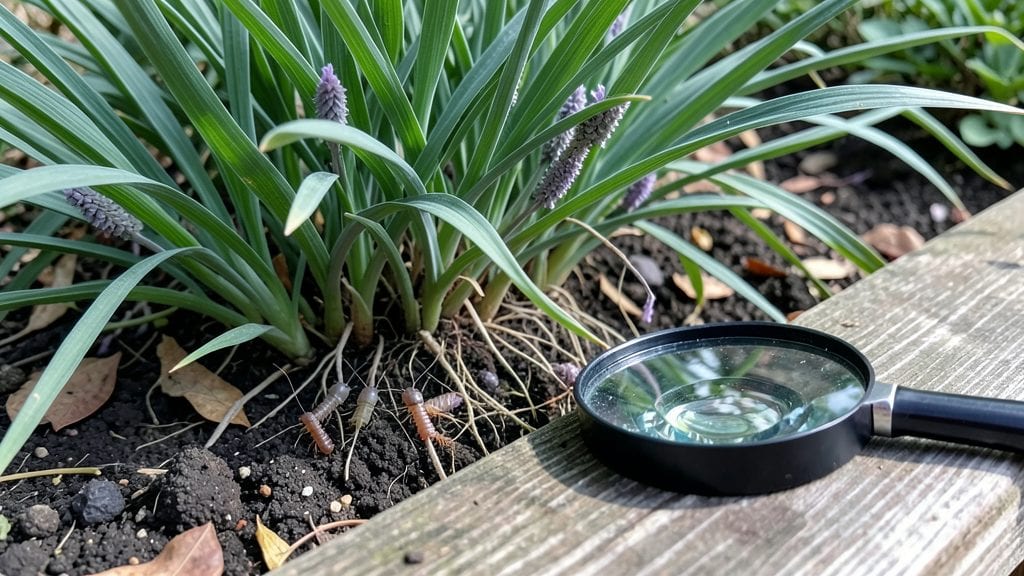
Termites in your garden aren’t just a nuisance—they’re silent destroyers that turn wooden trellises into sawdust and hollow out plant supports before you even notice. 🌿 I’ve lost three raised beds to their slow, relentless chewing, and the worst part?
Chemical treatments often harm the very soil and plants you’re trying to protect.
The good news? You don’t need toxic sprays to win this battle. Natural barriers like nematodes, strategic mulching, and even certain plants (like marigolds and lemongrass) create an ecosystem where termites simply won’t stick around.
These methods work by disrupting their moisture trails, blocking access points, and starving them out—without harming your garden’s delicate balance.
By the time you’re done reading, you’ll spot termite signs early, set up defenses that last all season, and keep your garden’s wooden structures standing strong. The key is acting before they build those telltale mud tubes—because once they’re in, the damage is already done.
Whether you’re protecting a small herb garden or a sprawling vegetable plot, these termite-proofing tricks adapt to any space. Let’s get your garden back to thriving, termite-free growth.
Hidden Triggers Inviting Termites
Termites don’t just wander into your garden by accident—they’re drawn by specific conditions that turn your outdoor space into an all-you-can-eat buffet. Understanding these triggers is the first step to outsmarting them naturally. Here’s why your garden might be a termite magnet, broken down by the most common causes.
Termites need moisture to survive, and your garden might be unknowingly providing it. Overwatering, poor drainage, or even natural humidity can create the perfect environment for these pests. Here’s how it happens:
- Compacted or clay-heavy soil: These types don’t drain well, trapping water near the roots of plants—and right where termites like to nest.
- Leaky irrigation systems: A slow drip or burst hose can create hidden pockets of moisture that termites detect from miles away (well, at least a few feet).
- Wood mulch or debris: While mulch helps plants, it also holds moisture against wood structures, like fence posts or tree stumps, which termites love to chew.
💡 Pro Tip: Test your soil’s moisture by digging a small hole—if it stays damp for more than a few hours, you’ve got a termite risk zone. Use raised garden beds with gravel drainage or opt for dry mulches like cedar or straw to reduce moisture.
Termites are wood-eating machines, and if your garden has easy access to cellulose (the stuff that makes up wood), they’ll move in fast. Common culprits include:
- Untreated wood structures: Fences, deck supports, or even wooden plant stakes provide a direct food source. Softwoods like pine are especially tempting.
- Dead trees or stumps: A rotting log isn’t just an eyesore—it’s a termite hotel. Even if it’s buried, the moisture and wood combo is irresistible.
- Cardboard or paper mulch: Yes, even "natural" mulches like shredded newspaper or cardboard can attract termites if left in contact with soil.
🔥 Action Step: Replace untreated wood with termite-resistant materials like cedar, redwood, or pressure-treated lumber. Remove stumps entirely or treat them with borate-based solutions to deter termites.
Termites don’t just eat wood—they’re drawn to decaying wood, which often means fungi are already feasting there. Fungal spores break down wood fibers, making it softer and more digestible for termites. Look for:
- Mushrooms or shelf fungi growing on wood: These are a red flag that termites (or carpenter ants) might already be in the neighborhood.
- Dark, water-stained wood: If your fence posts or garden structures look discolored or spongy, fungi are likely at work—and termites will follow.
- Rotting roots or mulch piles: Even plant debris can harbor fungal growth, which termites use as a shortcut to find their next meal.
🌡️ Prevention Tip: Keep your garden dry and well-ventilated. Space plants to improve airflow, and avoid piling mulch against wood. If you spot fungi, treat the area with a vinegar or hydrogen peroxide solution to kill spores before termites arrive.
Not all plants are created equal when it comes to termite attraction. Some species exude sugars or create microclimates that termites love. The worst offenders include:
| High-Risk Plants | Why They Attract Termites |
|---|---|
| Citrus trees | Sugary sap and dense root systems create moisture-rich soil. |
| Pine trees | Soft, resinous wood and fallen needles retain moisture near the base. |
| Bamboo | Rapid growth and hollow stems provide easy access to cellulose. |
| Fruit trees (especially peaches, plums) | Drip irrigation and fallen fruit create moisture pockets. |
✨ Smart Swap: If you love these plants, keep them away from your home’s foundation and use gravel barriers to reduce soil moisture. Opt for termite-resistant alternatives like olive trees, palm trees, or ornamental grasses if you’re in a high-risk zone.
Termites don’t just target plants—they’re opportunists that exploit tiny cracks in your garden’s defenses. Common entry points include:
- Cracks in concrete or pavers: Even a hairline fracture can let moisture seep in, creating a termite-friendly environment.
- Loose or missing roof tiles: If your garden shed or patio has gaps, termites can nest inside and spread to nearby wood.
- Gaps around utility lines: Pipes or cables entering your home or garden structures can create hidden tunnels for termites.
🔧 Fix It Fast: Seal cracks with silicone caulk and ensure proper grading around your home so water flows away from the foundation. Use metal flashing around wood-to-concrete joints to block termite access.
Termite Solutions That Work
Termites in your garden can feel like an invisible army chewing through your hard work—but the good news is, you don’t need harsh chemicals to stop them.
Below, we break down practical, effective fixes tailored to the most common causes of termite invasions, plus prevention tips to keep them away for good.
If you’ve spotted mud tubes (termite highways) or hollowed wood, act fast with these steps:
🔪 Remove Mud Tubes
- 👨🍳 Scrape or spray them with soapy water (dish soap + water) to expose termites to air—they’ll die within hours.
- 🔥 Follow up with a barrier: Sprinkle diatomaceous earth (DE) or boric acid (non-toxic in small amounts) along the soil where tubes were.
🪵 Treat Damaged Wood
- 🛠️ Replace or repair termite-eaten wood (especially fence posts, decking, or mulch).
- 🌡️ Heat-treat wood (if possible) by baking it in the sun or using a propane torch to kill hidden pests.
- ✨ Seal with natural oils: Apply neem oil or orange oil (contains d-limonene, toxic to termites) to wood surfaces.
💡 Pro Tip: If wood is structural (like a shed or playhouse), sand it down and reapply a beeswax or linseed oil barrier—termites hate these!
Termites love damp soil and wood. Drainage is your first defense.
💧 Fix Water Leaks
- 🔧 Check irrigation systems for leaks near wood piles, mulch, or garden beds.
- ⏰ Adjust sprinklers so water doesn’t pool near your home’s foundation.
- 🌧️ Use gravel or sand around downspouts to improve drainage.
🪴 Avoid Over-Mulching
- 📏 Keep mulch 6–12 inches away from your home’s foundation.
- 🍂 Use cedar or cypress mulch—these naturally repel termites.
- 🌿 Swap thick mulch for rocks in high-risk areas (like under decks).
🔥 Warning: Never pile firewood or lumber directly on soil—elevate it on bricks or metal stands to break their access route.
Prevent future invasions with plant-based and physical defenses:
🌱 Plant Termite-Repelling Species
| Plant | Why It Works | Best Placement |
|---|---|---|
| Lemon Grass | Contains citronella, toxic to termites | Near foundation or woodpiles |
| Marigolds | Strong scent deters pests | Border gardens or flower beds |
| Garlic | Natural insecticide when crushed | Plant around vulnerable wood |
| Cedar Trees | Emit oils termites avoid | Windbreak or privacy screen |
🏗️ Install Physical Barriers
- 🛡️ Sand barriers: Spread a 2-inch layer of coarse sand around the foundation—termites can’t cross it.
- 🪨 Metal mesh: Bury hardware cloth (1/16-inch mesh) 12 inches deep around garden beds.
- 🪵 Termite-resistant wood: Use cedar, redwood, or treated lumber for new structures.
🎯 Bonus: Orange oil treatments (like Orange Guard) can be injected into wood—it kills termites on contact and lasts months.
If you see: ✅ Swarming termites (winged insects indoors) ✅ Large mud tubes (bigger than a pencil) ✅ Termites in structural wood (floors, beams)
…it’s time for a termite inspection. A professional can use heat treatments, bait stations, or liquid barriers for severe cases.
💡 Final Prevention Checklist: ✔ Inspect annually for early signs (frass, winged termites, hollow wood). ✔ Keep gutters clean to prevent water buildup. ✔ Store firewood 20+ feet from your home. ✔ Aerate compacted soil—termites thrive in dense, moist earth.
With these natural, long-term strategies, your garden can stay termite-free without toxic sprays—just smart planning and a little elbow grease! 🌱🚫🐜
Frequently asked questions
How do I know if I have termites in my garden and not carpenter ants?
Check for mud tubes—termites build these pencil-sized tunnels along wood or foundation walls, while carpenter ants leave behind sawdust-like frass (shavings) and chew irregularly shaped holes. Termites also shed their wings in uniform piles near entry points, whereas ant wings are scattered.
Can I use diatomaceous earth (DE) safely around plants and pets?
Yes, but use food-grade DE only and apply it carefully. Keep it away from direct plant contact (it can dry roots) and avoid areas where pets play. Reapply after rain—it loses effectiveness when wet. For pets, choose boric acid-free options like nematodes for soil treatment.
Will termites damage my vegetable plants or just wood?
Termites primarily target cellulose (wood, mulch, cardboard), but some species (like subterranean termites) may nibble on decaying plant matter near the soil. They rarely harm healthy plants directly, but they’ll chew through wooden stakes, trellises, or compost bins—so protect structures first.
How often should I check for termite signs in my garden?
Inspect your garden every 3–4 months, especially after heavy rains or when using new mulch. Focus on wood structures, soil near foundations, and areas with standing water. Early detection (mud tubes, winged termites) lets you act before damage spreads.
Are there any plants that actually attract termites I should avoid?
Yes—avoid planting citrus trees, pine trees, bamboo, or fruit trees near wooden structures. These plants create moisture-rich zones and decaying wood that termites love. Opt for marigolds, lemongrass, or cedar trees instead—they naturally repel termites.