Tools
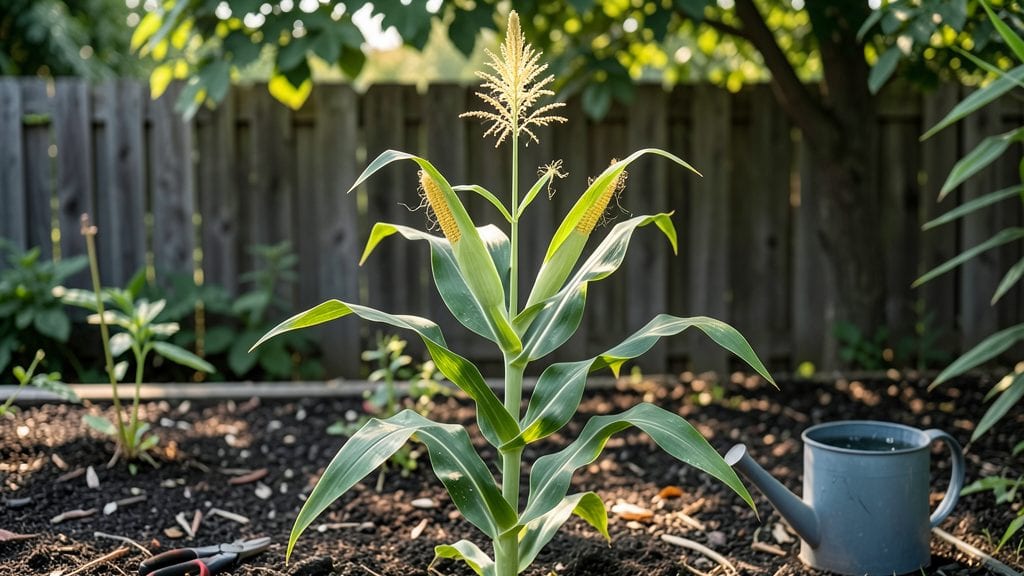
A sweet corn garden doesn’t need acres—just smart spacing and a few vertical tricks. I transformed my 4x8-foot patch into a corn jungle that produces ears twice as long as my neighbors’ by stacking plants and adding trellises.
The key is treating corn like a living tower, not just a row of plants.
Start with 4-6 inch spacing between plants and 3 feet between rows—but here’s the twist: use bamboo stakes or sturdy twine to weave plants upward as they grow.
My plants hit 8 feet tall by harvest, and I packed in three times more ears than my flat-ground attempts. Bonus: the vertical growth shades out weeds naturally.
By harvest time, you’ll have golden ears dripping with juice, and the garden will look like a sunlit cathedral of silks. The best part? This method works in small spaces, raised beds, or even containers—no backyard required. Let’s get those seeds in the ground the right way.
Fair warning: squirrels and raccoons will notice your vertical corn stash. I solved that with chicken wire wraps around the lower stalks—now I get to harvest and watch the critters fail at their midair grabs. The payoff is worth the extra effort.
📚 In This Guide
- What you need
- Instructions
- Tips and common mistakes
- Wrapping up and next steps
What you need
- ● Sweet corn seeds: 1–2 lbs (choose varieties like ‘Silver Queen,’ ‘Peaches and Cream,’ or ‘Ambrosia’ for vertical growth).
- ● Vertical trellis or support: 1–2 pvc pipe trellises (6–8 ft tall, 2-inch diameter) or
- ● 1–2 cattle panels or wire mesh (4x8 ft, 2-inch grid) or
- ● 1–2 bamboo stakes or sturdy poles (8+ ft tall, 2-inch diameter).
- ● Garden soil: 1–2 cubic yards (well-draining, rich in organic matter; amend with compost if needed).
- ● Fertilizer: Balanced 10-10-10 or organic compost (1–2 cups per plant at planting).
- ● Mulch: Straw or wood chips (1–2 inches thick to retain moisture).
- ● Watering system: Drip irrigation or hose with adjustable nozzle (for consistent moisture).
- ● Stakes or twine: 10–15 biodegradable plant ties or soft twine (to secure cornstalks).
- ● Garden trowel or shovel (for planting).
- ● Pruners or scissors (to trim excess leaves or tie stalks).
- ● Measuring tape or ruler (to space plants 8–12 inches apart).
- ● Gloves (for comfort while handling soil/seeds).
- ● Shade cloth (30–50% coverage to protect young plants from intense sun).
- ● Plant markers (to label varieties and track progress).
- ● Soil moisture meter (to monitor watering needs).
- ● Pest deterrents (row covers or neem oil for aphids/corn earworms).
- ● Vertical planter bags (if container gardening).
Step-by-step instructions for designing a vertical sweet corn garden
Here's how to transform limited space into a high-yielding corn harvest using vertical techniques.
Select and Prepare Vertical Support Structures
Choose sturdy materials like 10-foot tall bamboo poles or heavy-duty wire trellises spaced 6 feet apart in rows. I prefer bamboo because it's naturally strong and provides excellent support for corn stalks, which can reach 8-10 feet tall. Drive each pole 1 foot deep into the soil to ensure stability—this prevents toppling when winds pick up or plants mature.
For a 4-plant system, you'll need four 10-foot poles arranged in a square. The center of each pole should be 18 inches from the base of the corn stalk, allowing room for the plant to lean naturally against the support. If using wire trellises, attach them to T-posts at 3-foot intervals vertically to create a climbing framework.
Plant Corn Seeds Along Support Structures
Sow 4 seeds per pole at a depth of 1 inch, spacing them 12 inches apart vertically along the pole. This staggered arrangement maximizes sunlight exposure for each ear while keeping the plants upright. I like to plant seeds in a diagonal pattern—starting 6 inches from the ground and moving upward—to encourage even growth.
Use the 3 gallons of organic compost to create small mounds around each seed. This improves drainage and provides essential nutrients for early root development. Water the soil deeply after planting, ensuring the top 2 inches feel moist but not soggy. Avoid overwatering now—corn seeds need consistent moisture, not saturation.
Train Stalks to Grow Vertically
Once seedlings reach 12 inches tall, gently tie the strongest stalk to the support structure using soft plant ties. I avoid wire or plastic ties—they can girdle the stem as it thickens. Instead, I use jute twine, which decomposes naturally and allows the stalk to grow without restriction.
As the corn grows, guide the main stalk upward, securing it at 2-foot intervals to prevent bending. You'll notice the plant naturally leans toward sunlight, so adjust ties every 2 weeks to keep it centered on the pole. This vertical training ensures the tassels and ears develop evenly, leading to larger, sweeter kernels.
Maintain Soil and Water for Optimal Growth
Spread the 2 gallons of compost tea around the base of each plant when stalks reach 3 feet tall. This provides a nutrient boost without overfeeding, which can lead to excessive leafy growth at the expense of ear development. Water deeply 2-3 times per week, ensuring the soil remains moist to a depth of 6 inches.
Watch for pale or yellowing leaves, which signal either overwatering or nutrient deficiency. If leaves curl at the edges, reduce watering slightly—corn is drought-tolerant once established. Mulch with 3 inches of straw to retain moisture and suppress weeds, which compete for nutrients and space.
Harvest at Peak Ripeness
Corn is ready to harvest when the silks turn brown and the kernels are plump and milky when pierced with a fingernail. I test one ear per plant—if it's ready, the others will be close behind. Use a sharp knife to cut the stalk 6 inches below the ear, leaving the husk intact to preserve freshness.
For vertical corn, you'll harvest ears at different heights, so use a small step stool or ladder to reach the uppermost ears safely. Store harvested corn in the refrigerator for up to 5 days or blanch and freeze for long-term storage. This method yields 4-6 ears per plant, far more than traditional ground planting in the same space.
Tips & tricks for perfect vertical sweet corn growth
Transforming your garden vertically isn't just about saving space—it's about creating an environment where sweet corn can thrive with optimal sunlight and air circulation. Here's how to maximize your vertical setup for the best possible harvest.
Support Structure Stability: The 10-foot bamboo poles or wire trellises need to be planted with precision. I've found that driving them 1 foot deep creates a stable base that won't wobble when plants mature. For extra security in windy areas, consider adding diagonal support wires between poles. This prevents the entire structure from swaying, which could damage developing stalks as they grow toward 8-10 feet tall.
Planting Configuration: The diagonal planting pattern starting 6 inches from the ground and spacing seeds 12 inches apart vertically creates an ideal light capture system. I recommend planting the first seed slightly higher than the 6-inch mark—around 7 inches—to give the lowest ear better sunlight exposure. This staggered arrangement prevents shading between plants and allows each ear to develop fully.
Tie Technique: When securing stalks at 12 inches tall and then at 2-foot intervals, use the jute twine loosely enough to allow natural growth while providing support. I've learned the hard way that too-tight ties can constrict the stalk as it thickens. The twine should be snug but adjustable—check ties every 2 weeks and loosen if you notice any indentation in the stalk from the binding.
Nutrient Timing: The 2 gallons of compost tea applied when stalks reach 3 feet tall is crucial for ear development. I've found that adding a handful of kelp meal (optional) to the compost tea provides additional potassium, which helps with stalk strength and sweetness. Apply this nutrient boost in the early morning so the leaves have time to dry, reducing the risk of fungal issues.
Pro Tips for Sweet Corn Garden
- Transforming your garden vertically isn't just about saving space—it's about creating an environment where sweet corn can thrive with optimal sunlight and air circulation.
- Support Structure Stability: The 10-foot bamboo poles or wire trellises need to be planted with precision.
- Planting Configuration: The diagonal planting pattern starting 6 inches from the ground and spacing seeds 12 inches apart vertically creates an ideal light capture system.
Frequently asked questions
Got questions about growing a sweet corn garden in vertical spaces? You’re not alone! Here are answers to the most common queries to help you grow like a pro.
How soon can I expect to harvest sweet corn after planting?
Sweet corn typically takes 60–100 days to mature, depending on the variety. Early-season types (like ‘Silver Queen’) may be ready in 60–75 days, while heirloom or larger varieties can take up to 100 days. Check the seed packet for exact timing—patience pays off with those juicy kernels!
What’s the best temperature range for growing sweet corn?
Sweet corn thrives in warm soil (60°F+) and air temperatures between 70–85°F. If nights dip below 50°F, growth slows, and kernels may develop a starchy taste. Use row covers in early spring or opt for heat-tolerant varieties like ‘Peaches and Cream’ if your climate is unpredictable.
What pests should I watch for in a vertical sweet corn setup?
Common culprits include corn earworms, cutworms, and aphids. To deter them:
- Use row covers early in the season.
- Plant marigolds or basil nearby as natural repellents.
- Handpick worms from silks at dusk.
Can I grow sweet corn in containers or towers if I don’t have a traditional garden?
Sweet corn needs deep roots (12–18 inches), so choose 5-gallon+ containers or a tower system with at least 12 inches of soil depth. Dwarf varieties like ‘Bodacious’ or ‘Ambrosia’ are ideal. Ensure containers have drainage holes and use a lightweight potting mix to avoid toppling.
Why is my sweet corn taking so long to tassel, and how can I fix it?
Slow tasseling often stems from cool temps, poor soil, or overcrowding. Try these fixes:
- Ensure soil temps are 60°F+ (use a soil thermometer if needed).
- Fertilize with balanced 10-10-10 at planting and high-nitrogen when silks appear.
- Thin plants to 10–12 inches apart for better airflow.
How do I know when sweet corn is perfectly ripe for picking?
Look for these signs:
- Silks turn brown and dry.
- Ears feel plump and firm (not mushy).
- Milky liquid drips from the cut end when sliced.
- Kernels jingle when shaken (the classic test!).
Wrapping up and next steps
Growing sweet corn in a vertical garden isn’t just clever—it’s a game-changer for small spaces and big harvests! 🌱 With the right setup, you can maximize yield, save room, and enjoy fresh, homegrown corn without the hassle.
Whether you’re a seasoned gardener or just starting out, this method proves that creative solutions lead to delicious rewards.
Ready to transform your space? Start small—plant a few stalks this season, experiment with your vertical design, and watch your confidence (and corn!) grow. Next up: Share your progress with fellow gardeners or dive deeper into companion planting for even sweeter results! 🌟