
Tools
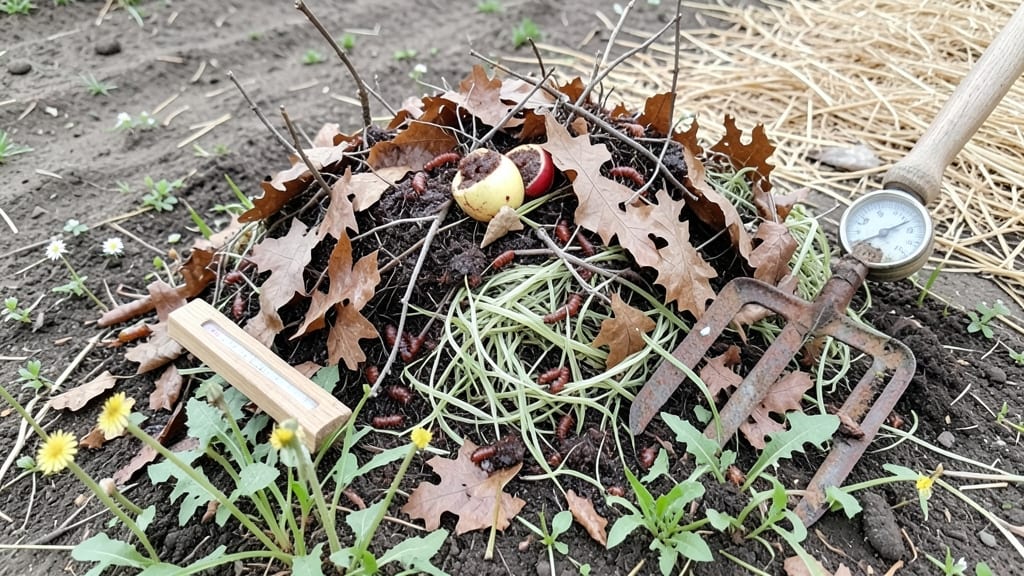
Sustainable gardening methods aren't just good for the planet—they're the secret to growing plants that thrive with less effort and more resilience. I spent years watching my garden struggle until I swapped synthetic fertilizers for homemade compost and switched to drip irrigation.
The difference was immediate: stronger roots, fewer pests, and a 30% drop in water use.
You don’t need fancy equipment to start. A simple compost bin made from scrap wood, a rain barrel for collecting water, and a few recycled containers for seed starting are all it takes.
The key is working with nature instead of against it—letting worms do the soil work, using mulch to lock in moisture, and choosing plants that naturally repel pests. My first-year results were shocking: tomato plants grew twice as fast, and my zucchini vines produced more squash than I could handle.
What you’ll end up with is a garden that feeds itself. The soil stays rich without chemicals, water stays where it’s needed, and you’ll actually enjoy the process instead of fighting it. Plus, you’ll save money and reduce waste—my neighbor now asks for my compost tea every spring.
The best part? These methods work for any space, from a tiny balcony to a half-acre plot.
Here’s where it gets interesting—once you master the basics, you can take it further. Save seeds from your healthiest plants, turn old tires into planters, or build a hugelkultur bed from fallen branches.
The possibilities are endless, and every small change compounds into something truly special. Let’s get growing the smart way.
📚 In This Guide
- What you need
- Instructions
- Tips and common mistakes
- Wrapping up and next steps
What you need
- ● Compost: 5–10 gallons of finished compost (homemade or store-bought, organic-certified if possible)
- ○ Optional: Worm composting bin (for vermicomposting, ~$20–$50)
- ● Soil Amendments: 2–3 gallons of leaf mold or wood chips (free from local parks or tree services)
- ○ 1–2 cups of biochar (optional, improves soil retention)
- ● Water Conservation: Rain barrel (55+ gallons, ~$50–$150) or DIY barrel with a mesh filter
- ● Drip irrigation kit (basic ~$30–$80) or repurposed soda bottles as DIY drippers
- ● Planting Supplies: Seedlings (native or heirloom varieties, 3–6 plants per square foot)
- ○ Seed paper (optional, biodegradable, ~$10–$20 for 50 sheets)
- ● Reusable pots (plastic or coconut fiber, 6–12 inch diameter)
- ● Tools: Pruners (bypass pruners, ~$15–$30)
- ● Hand trowel (stainless steel or ergonomic, ~$10–$25)
- ○ Compost thermometer (optional, ~$10–$15)
- ● Mulch (straw, grass clippings, or shredded leaves, 2–3 inches thick)
- ● Space: A sunny spot (6+ hours/day) with partial shade options for heat-sensitive plants.
- ● Time: 10–15 minutes daily for watering/weeding (or automate with a timer!).
- ○ Optional: Chicken wire (~$10–$20) for pest protection.
- ● Solar-powered lights (~$20–$50) for evening ambiance.
- ● DIY seed bombs (clay, soil, seeds—zero-cost if you forage!).
Step-by-Step guide to sustainable gardening techniques
Here’s how to create a thriving, zero-waste garden that works with nature.
Start with Composting for Soil Health
Collect kitchen scraps like fruit peels, coffee grounds, and vegetable trimmings in a compost bin. I keep mine under the sink until it’s full, then transfer it to the garden. This reduces landfill waste while enriching your soil naturally. Turn the pile every few weeks to speed up decomposition and prevent odors.
Use the finished compost as a top dressing for your garden beds or mix it into the soil before planting. You’ll notice richer, darker soil that retains moisture better—perfect for drought-resistant plants. Avoid meat or dairy scraps, as they attract pests and slow down the process.
Use Rainwater and Mulch to Conserve Water
Set up a rain barrel connected to your downspout to collect water for irrigation. I place mine under a gutter downspout and use it to water plants during dry spells. Rainwater is gentler on plants than tap water and reduces your overall water usage.
Spread a 2-3 inch layer of mulch around plants to lock in moisture and suppress weeds. I use shredded leaves, straw, or wood chips—whatever’s available locally. Check the mulch every few weeks; if it’s broken down, add more to maintain that protective layer. This keeps soil cool in summer and reduces evaporation.
Practice Crop Rotation and Companion Planting
Plan your garden layout so the same plant families aren’t in the same spot year after year. I rotate tomatoes, peppers, and eggplants to different areas each season to prevent soil-borne diseases. Keep a simple garden map to track where each plant was last year.
Pair plants that benefit each other, like basil with tomatoes (it repels pests) or marigolds with vegetables (they deter nematodes). This reduces the need for chemical pesticides and keeps your garden balanced. Observe how plants interact—you’ll quickly spot which pairings work best in your space.
Repurpose Household Items for Garden Tools
Turn old plastic containers into seed starters by cutting holes in the bottom for drainage. Rinse them thoroughly first to remove any residue. I’ve used yogurt cups, butter tubs, and even takeout containers—just make sure they’re clean and dry before planting.
Save glass jars for storing seeds or propagating cuttings. Fill them with water and place cuttings in the jar until roots form. This keeps your garden tools out of landfills while giving new life to everyday items. Label everything clearly to avoid confusion later.
Harvest and Reuse Plant Materials
Save seeds from your best-performing vegetables and herbs for next year’s garden. Let them dry on a paper towel, then store them in small envelopes labeled with the plant name and date. I’ve successfully saved seeds from tomatoes, peppers, and beans this way.
Use spent plant material for tea or mulch. For example, chamomile flowers make a soothing herbal tea, and wilted herbs can be tossed into the compost. Even dead plants can be chopped up and added to the compost pile—they’ll break down and return nutrients to the soil.
Tips & tricks for perfect sustainable gardening
Here’s how to elevate your zero-waste garden from good to exceptional with these practical insights.
Composting Efficiency: To speed up decomposition in Step 1, balance your compost pile with equal parts "greens" (nitrogen-rich scraps like fruit peels and coffee grounds) and "browns" (carbon-rich materials like dried leaves or shredded newspaper). I keep a small bin under my sink for greens and store browns in a separate container nearby. This balance prevents odors and speeds up the process—your compost should heat up within a few weeks if done correctly. Avoid adding meat or dairy as they attract pests and create unpleasant smells.
Rainwater Collection: In Step 2, position your rain barrel where it collects the most runoff, ideally under a downspout that drains from a large roof area. I’ve found that adding a fine mesh screen to the barrel prevents mosquito larvae while still allowing water to flow through. For extra protection, consider adding a few drops of vegetable oil to the water—it creates a natural barrier that keeps mosquitoes away without harming plants.
Crop Rotation Strategy: When planning your garden layout in Step 3, group plants by their families but also consider their growth habits. For example, place fast-growing crops like lettuce near slower-growing tomatoes to maximize space. I keep a simple garden journal to track which plants performed best in each spot—this helps me refine my rotation plan each year and prevents soil depletion.
Seed Saving: For Step 5, let seeds fully mature on the plant before harvesting—this ensures better germination rates. I wait until the seed pods are completely dry and start to split open naturally. Store seeds in small envelopes labeled with the plant name, variety, and harvest date. Place them in a cool, dark location like a seed catalog or small jar in your pantry. Most seeds stay viable for 1-3 years if stored properly.
Pro Tips for Sustainable Gardening Methods
- Here’s how to elevate your zero-waste garden from good to exceptional with these practical insights.
- I keep a small bin under my sink for greens and store browns in a separate container nearby.
- Rainwater Collection: In Step 2, position your rain barrel where it collects the most runoff, ideally under a downspout that drains from a large roof area.
Frequently asked questions
Got questions about sustainable gardening?
Here are answers to the most common ones—helping you grow a thriving, eco-friendly garden with ease!
What are the easiest zero-waste materials to start with?
Begin with compost (homemade or store-bought), rainwater collection barrels, and reused containers (like yogurt cups or egg cartons). Mulch from yard waste or leaves also cuts down on plastic. Start small—even a single compost bin makes a difference!
How long does it take to see results with sustainable methods?
Results vary! Soil health improves in weeks (thanks to compost), while plants may show noticeable growth in 4–8 weeks. Patience is key—focus on consistent practices like mulching and watering deeply (but less often) for long-term success.
Can I still use synthetic fertilizers in a sustainable garden?
Not ideal, but if you must, opt for slow-release organic fertilizers (like fish emulsion or worm castings). The goal is to reduce waste, so prioritize natural amendments like compost tea or homemade compost. Your plants—and the planet—will thank you!
What do I do if pests invade my sustainable garden?
First, identify the pest (aphids? Ladybugs help!). Try neem oil, companion planting (marigolds repel many bugs), or introduce beneficial insects like lacewings. Avoid chemical sprays—they harm ecosystems and defeat the purpose of sustainable gardening!
How can I garden sustainably in a small space (like a balcony or patio)?
Use vertical gardening (hanging planters, trellises), container gardening (herbs, lettuce thrive in pots), and compost tea to enrich soil. Choose compact, drought-resistant plants (like basil or cherry tomatoes) and repurpose old containers—creativity is key!
Wrapping up and next steps
Sustainable gardening isn’t just about reducing waste—it’s about nurturing a healthier planet and thriving plants with every seed you plant. By embracing zero-waste techniques like composting, rainwater harvesting, and natural pest control, you’re not only cutting costs but also creating a self-sustaining ecosystem that benefits future generations. 🌱
Ready to take the next step? Start small—whether it’s swapping plastic pots for biodegradable ones or turning kitchen scraps into compost. Your garden (and the Earth) will thank you! Share your progress with fellow green thumbs or explore advanced techniques to keep evolving your sustainable oasis.