Tools
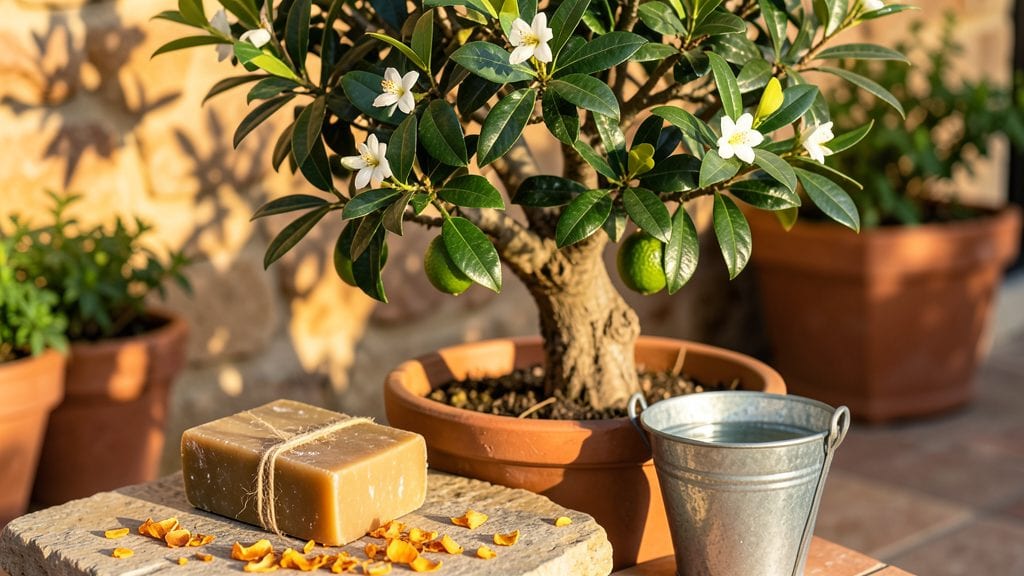
Soap in the garden works as a powerful, plant-safe pest repellent when using gentle formulas like castile soap or mild liquid dish soap. Proper dilution prevents harm to foliage while effectively combating common garden pests like aphids, spider mites, and soft-bodied insects.
Natural soaps disrupt pests' protective wax layers, causing dehydration and death without toxic chemicals. 🌿 For best results, I recommend mixing 1 tablespoon of liquid castile soap with 1 quart of water and adding a few drops of neem oil for extra potency.
This homemade blend works wonders on aphids but may require reapplication every 3-5 days during peak infestations.
What makes this method so appealing is its dual benefit—while controlling pests, the diluted soap solution also gently cleanses plant surfaces, removing dust and debris that can block sunlight.
The key is always to test on a small leaf area first, as some plants (like delphiniums) are more sensitive to soap residues than others.
💡 In This Article
- How Homemade Soap Sprays Kill Garden Pests
- Best Natural Soap Recipes for Garden Use
How homemade soap sprays kill garden pests
Here's what's actually happening when you spray soap on garden pests: the soap molecules act as surfactants, breaking down the protective waxy coating that covers soft-bodied insects like aphids and spider mites.
This wax layer is their first line of defense against dehydration, and when disrupted, it causes their exoskeletons to lose moisture rapidly. Within 30-60 minutes of exposure, pests typically show signs of stress as their cells begin to dry out—a process called desiccation.
The key factor is the soap's molecular structure. Natural soaps like castile contain fatty acid salts that penetrate insect cuticles, while synthetic detergents often rely on harsher chemicals that can harm plants.
For example, a 1% soap solution (about 1 tablespoon per quart of water) creates enough surface tension to cling to pests but remains gentle enough for most plants when properly diluted. 🌱 This is why castile soap is preferred—it's biodegradable and breaks down completely within 7-14 days, unlike petroleum-based detergents that linger in the environment.
What most people don't realize is how differently soap affects various pests. Soft-bodied insects like aphids and whiteflies are highly vulnerable because their exoskeletons are thin and porous. However, harder-shelled pests like beetles or earwigs often show little response because their thick exoskeletons resist the soap's penetration.
This is why soap sprays work best as a preventative or for early-stage infestations—think of them as a targeted weapon rather than a broad-spectrum pesticide.
Natural soaps are safer because they lack the neurotoxins found in synthetic pesticides. For instance, neonicotinoids (common in chemical sprays) disrupt insects' nervous systems, while soap works mechanically by physically altering their protective barriers.
This means you can apply soap sprays even when pollinators are active, as they won't be harmed by the treatment. The downside? Soap sprays need to make direct contact with pests to work effectively—missed areas won't be treated.
Temperature also plays a role in effectiveness. Applying soap sprays during morning hours when dew is present creates a thinner film on leaves, allowing better coverage. Additionally, the solution should be applied until drip point to ensure complete coverage of both leaf surfaces.
This thorough application is crucial because pests often hide on the undersides of leaves where they're protected from many other treatments.
For maximum safety, always use cold or lukewarm water when mixing your soap solution—hot water can denature the soap molecules, reducing their effectiveness. The ideal temperature is around 60-70°F, which maintains the soap's surfactant properties while being gentle on plant tissues.
This attention to detail makes the difference between an effective treatment and one that might cause more harm than good.