
Watering
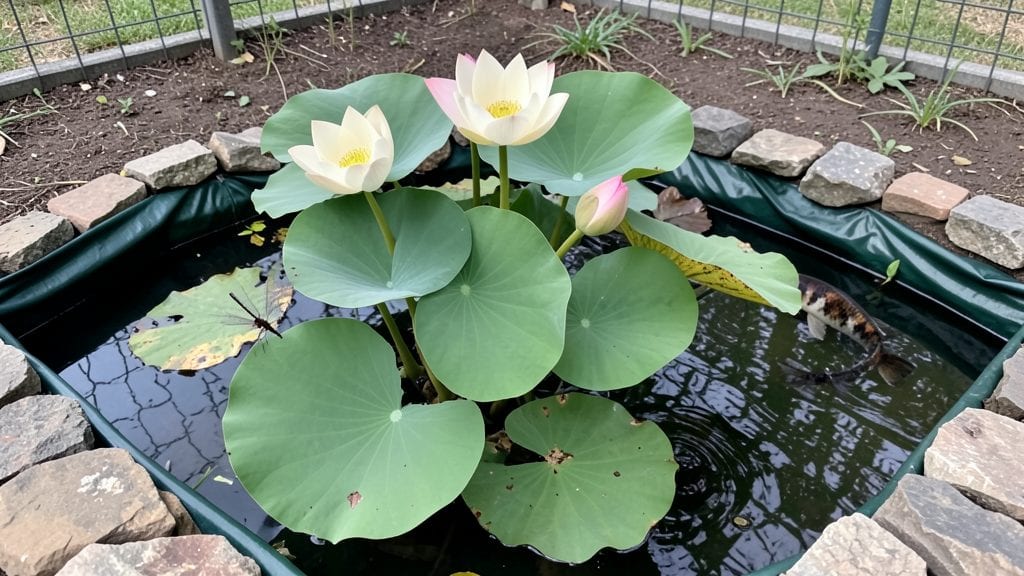
A small water garden transforms even a tiny backyard into a tranquil retreat with just a few gallons of water and a handful of plants.
I built mine in a 3-foot-wide kiddie pool last summer, and the sound of trickling water instantly turned our patio into a peaceful escape—no fancy equipment or huge space required.
The key to keeping it simple is choosing the right plants: hardy water lilies for floating coverage, marginal plants like sweet flag for the edges, and maybe a single fountain or small pump for movement.
You don’t need a big budget—thrift stores often have plastic ponds for under $20, and aquatic plants thrive in just 6-12 inches of water.
By late summer, you’ll have a thriving ecosystem that hums with life—frogs, dragonflies, and even the occasional heron stopping by. The best part? Maintenance is minimal: top off water weekly, trim plants every few weeks, and enjoy the view without the hassle of a full-sized pond.
Perfect for balconies, small yards, or even indoor setups with the right lighting. Let’s make your corner of the world feel like a serene sanctuary—no green thumb required.
📚 In This Guide
- What you need
- Instructions
- Tips and common mistakes
- Wrapping up and next steps
What you need
- ● Container: A plastic, fiberglass, or preformed pond liner (12–36" deep, depending on plant needs).
- ● OR a durable plastic or ceramic basin (10–20 gallons for small gardens).
- ● Water: 5–10 gallons (dechlorinated tap water or rainwater).
- ● Substrate: 1–2 bags of aquatic planting soil (waterlogged, nutrient-rich).
- ○ Optional: Gravel or small pebbles (1–2 lbs) for drainage and aesthetics.
- ● Plants: 1–2 floating plants (e.g., water hyacinth or duckweed).
- ● 1–3 marginal plants (e.g., water lettuce, sweet flag, or mini lotus).
- ● 1 submerged plant (e.g., hornwort or anacharis).
- ● Tools: Garden trowel or small shovel.
- ● Measuring cup or ruler (for soil/pebble layers).
- ● Gloves (to keep hands clean!).
- ● Decor: Small rocks, driftwood, or solar-powered fountain (for movement).
- ● Pump: Mini submersible pump (if adding a fountain or waterfall).
- ● Beneficial bacteria: Pond treatment (e.g., Barley Straw) to keep water clear.
- ● Fish: 1–2 hardy species (e.g., guppies or goldfish) if you want aquatic life!
Instructions for building your serene miniature water garden
Here’s how to create a tranquil water feature that thrives with minimal fuss—no complicated plumbing or expert skills required.
Select and Prepare Your Container
Choose a container that’s at least 12 inches deep and wide enough to accommodate your plants and a small water feature. A pre-formed pond liner or a heavy-duty plastic basin works well for beginners. If using a liner, smooth it out in the container, ensuring no sharp edges that could puncture it. For a natural look, place rocks or pebbles along the bottom to create gentle slopes and hiding spots for aquatic plants.
Fill the container with dechlorinated water—tap water left out for 24 hours or treated with a pond dechlorinator works best. Avoid chlorinated water, as it can harm plants and beneficial microorganisms. Fill the container to about 80% capacity, leaving room for plants and water movement. This setup prevents spills while allowing roots to access oxygen.
Add Aquatic Plants for a Natural Look
Start with easy-care aquatic plants like water hyacinth, water lettuce, or floating ferns. These thrive in shallow water and require little maintenance. Place them gently into the water, ensuring their roots or stems are submerged but leaves float freely. Avoid overcrowding—space plants 6-12 inches apart to allow for growth and airflow.
For submerged plants like anacharis or hornwort, anchor them to rocks or weights at the bottom of the container. These plants help keep the water clear by absorbing excess nutrients. If using marginal plants like sweet flag or cattails, plant them in the shallower edges where their roots can access both water and air. Watch for new growth within 2-3 weeks—this signals your plants are happy and established.
Introduce a Small Water Feature for Movement
A tiny waterfall, bubbler, or solar-powered fountain adds movement and oxygenates the water, keeping it fresh. Place the feature near the edge of the container so water flows naturally back into the basin. For a simple setup, use a small solar-powered pump connected to a flexible tubing or a pre-formed waterfall liner. Ensure the pump is submerged but not buried under rocks, as this can cause overheating.
Adjust the flow so water moves gently—too much force can erode soil or disturb plants. Listen for a soft, steady sound; this indicates the pump is working efficiently without strain. If the water level drops too quickly, reduce the flow or add a small overflow spout to redirect excess water back into the container. This balance keeps your garden serene and sustainable.
Maintain Water Quality and Plant Health
Check the water weekly for clarity and signs of algae or debris. If the water looks cloudy, reduce sunlight exposure or add a few more floating plants to shade the surface. Use a small net to remove fallen leaves or excess plant matter, which can decompose and cloud the water. Avoid overfeeding—fertilizers or fish waste can disrupt the balance of your miniature ecosystem.
Top off evaporated water with dechlorinated water as needed, but avoid overfilling. A 1-2 inch layer of mulch around the edges helps retain moisture and suppresses weeds. In cooler months, move the container to a sheltered spot or use a pond heater if temperatures drop below 50°F. With minimal care, your water garden will stay vibrant and peaceful all season long.
Tips & tricks for perfect small water garden
A few simple strategies will help your miniature water garden thrive with minimal effort and maximum beauty.
Water Preparation: The 24-hour dechlorination step is crucial—never skip it. Chlorine can harm your aquatic plants and disrupt the delicate ecosystem you're creating. I always use a clear glass container to hold my tap water for this period, making it easy to see when the chlorine has fully dissipated. This simple step prevents potential damage to your plants right from the start.
Plant Placement: When arranging your easy-care aquatic plants, think about their natural growth patterns. Floating plants like water hyacinth should be spaced about 6-12 inches apart to allow room for their roots to spread beneath the surface. For submerged plants, anchor them to rocks or weights at the bottom to prevent them from floating to the surface as they grow. This careful placement creates a more natural, balanced look while promoting healthy growth.
Pump Placement: Positioning your water feature pump correctly makes all the difference. Place it near the edge of the container but ensure it's submerged—this prevents overheating while allowing water to flow naturally back into the basin. I've found that using a small piece of mesh or a rock platform around the pump creates a more natural look while keeping it accessible for maintenance. This thoughtful placement keeps your water garden both functional and visually appealing.
Seasonal Care: The 50°F temperature threshold is important to remember when planning for cooler months. If you notice your plants growing slower or the water taking longer to warm up, it's time to move your container to a sheltered spot. I keep mine on a covered patio or under a large umbrella during fall and winter. This simple seasonal adjustment helps maintain your garden's health throughout the year without requiring any complicated changes.
Pro Tips for Small Water Garden
- A few simple strategies will help your miniature water garden thrive with minimal effort and maximum beauty.
- Water Preparation: The 24-hour dechlorination step is crucial—never skip it.
- Plant Placement: When arranging your easy-care aquatic plants, think about their natural growth patterns.
Frequently asked questions
Got questions about creating or maintaining your small water garden? Here are some common ones—and their easy answers!
What’s the best small water garden plant for beginners?
Start with hardy, low-maintenance plants like water hyacinth (floating), water lettuce, or papyrus (marginal). These thrive in shallow water, suppress algae, and attract pollinators. Avoid invasive species—always check local regulations!
How long does it take for a small water garden to mature?
Most plants establish in 4–8 weeks, but full beauty takes 3–6 months depending on climate and sunlight. Floating plants grow fastest, while marginals (like picking) may need a little more patience. Patience pays off with lush greenery!
Do small water gardens need a pump, and how often should I clean them?
A pump isn’t mandatory but helps circulation and oxygenation. If you skip it, add a solar fountain for movement. Clean debris weekly (use a net) and drain/refill every 2–3 months to prevent stagnation. Snails and tadpoles? They’re natural cleaners!
Will frogs or fish survive in a tiny water garden?
Yes! Small ponds (even under 10 sq. ft.) can host dwarf frogs or guppies if you add aeration (like a tiny pump). Avoid goldfish—they grow too big. Stock plants first to create a safe habitat before adding critters.
Can I build a small water garden in full sun or shade?
Most plants prefer 4–6 hours of sun, but shade-tolerant options like water lilies (var. ‘Nymphaea’), bog plants (e.g., sweet flag), or mosquito fern thrive in low light. Full shade? Opt for water hyacinth—it’s the champ!
What’s the easiest fix for murky or green water?
Murky water? Add barley straw (natural algae inhibitor) or increase sunlight. Green water? Boost oxygen with a small air stone or add water lettuce (it outcompetes algae). Avoid overfeeding fish—it’s a common culprit!
Wrapping up and next steps
A small water garden is more than just a charming addition to your space—it’s a peaceful retreat that requires minimal effort to maintain. With the right easy-care plants, a compact setup, and a few simple tips, you can create a thriving oasis without the hassle.
Whether you’re drawn to the soothing sounds of water or the beauty of aquatic life, this project is the perfect way to bring nature home.
Ready to dive in? Start by sketching your design, gathering your materials, and enjoy the process—your future self (and your plants!) will thank you. 🌿💧