
Pests
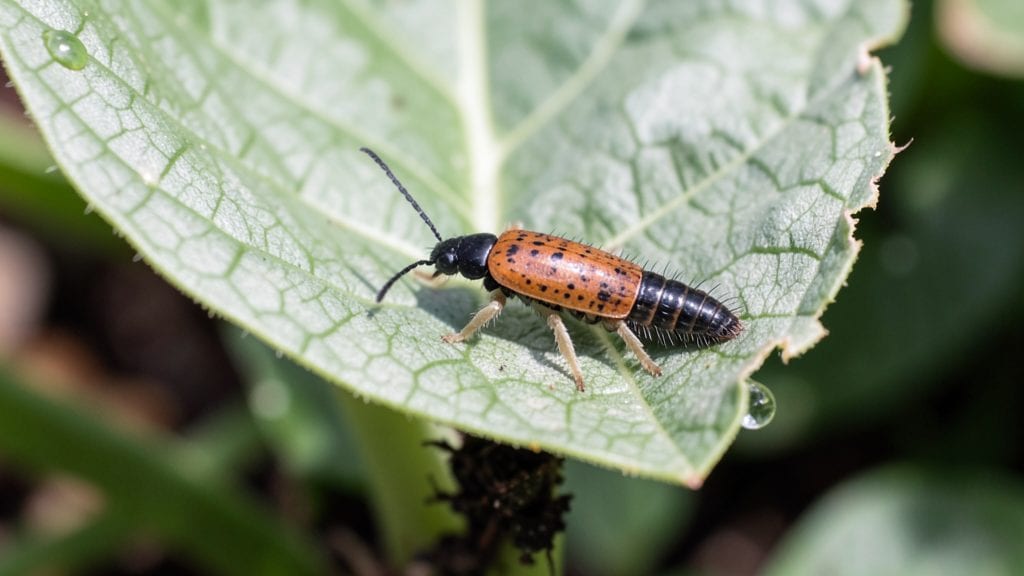
My slug traps garden has finally won the battle against those slimy raiders. 🌱 After years of waking up to chewed lettuce and skeletonized hostas, I ditched the chemical solutions and found bait-free barriers that actually work—no more dead slugs in the yard, just clever deterrents that keep them out for good.
The key is combining physical barriers with natural repellents—copper tape, crushed eggshells, and even simple beer traps (yes, the classic works, but we’re making it better). These methods don’t harm pets, kids, or beneficial insects, and they’re easy to set up with stuff you already have lying around.
No more toxic sprays or feeling guilty about killing wildlife—just smart, organic protection.
By the end of this, your garden will look like a fortress to slugs, with zero damage to your favorite plants. The best part? These traps work for months, not just a few days, and they’re so simple even my black thumb can’t mess them up.
Let’s get those slimy invaders out of your garden for good.
Whether you’re dealing with a small container garden or a full backyard, these tricks adapt easily. No more losing your veggies to slugs—just peace of mind and a thriving garden. Ready to reclaim your space?
📚 In This Guide
- What you need
- Instructions
- Tips and common mistakes
- Wrapping up and next steps
What you need
- ● Copper tape or wire: 1–2 rolls (1/4" to 1/2" wide, 25–50 feet long). Copper emits a mild electric shock when slugs touch it, deterring them naturally.
- ● Plastic or metal edging: 1–2 rolls (10–20 feet, 6–12" tall). Creates a physical barrier to block slug entry.
- ● Diatomaceous earth (food-grade): 1–2 lbs. Sprinkle lightly around plant bases to dehydrate slugs (reapply after rain).
- ● Gravel or coarse sand: 2–3 bags (5–10 lbs each). Forms a dry, impassable layer slugs avoid.
- ● Sharp-edged materials: Crushed eggshells, broken terracotta pots, or wood ash (1–2 cups). Slugs dislike rough textures.
- ● Garden shears or scissors: For trimming copper tape to size.
- ● Gloves: To handle sharp materials (like eggshells) safely.
- ● Watering can or hose: To dampen soil before applying diatomaceous earth (it works best when dry).
- ○ Stakes or pins: Optional, to secure copper tape or edging in place.
- ● Sunny, dry day: Ideal for setup—slugs are less active and barriers work best when dry.
- ● ✨ Combine barriers: Layer copper tape with gravel for extra protection.
- ● 🌡️ Check moisture: Slugs love dampness—keep traps dry to maximize effectiveness.
- ● 🔄 Reapply as needed: Diatomaceous earth loses potency after rain; refresh every few weeks.
Step-by-Step instructions for creating slug-proof garden barriers
Here's how to build effective, bait-free slug traps that actually work without harming wildlife.
🪴 Step 1: Select Your Barrier Materials
Start with copper tape—it creates an electric-like shock when slugs touch it, sending them packing. Cut strips 2-3 inches wide and wrap them around vulnerable plants or garden edges. For larger areas, use diatomaceous earth (food-grade only) as a natural powder barrier. Sprinkle it in a 2-inch wide band around plants, avoiding direct contact with leaves.
If you prefer physical barriers, try crushed eggshells or sharp gravel (like granite chips). These create uncomfortable textures that slugs avoid. Place them in a 1-inch deep ring around plants, replenishing as needed after rain. The key is consistency—slugs will find gaps if the barrier isn't continuous.
🌿 Step 2: Position Barriers Strategically
Focus on young seedlings, low-growing plants, and moist areas where slugs love to hide. Wrap copper tape around stems and pot edges, ensuring no gaps. For diatomaceous earth, apply it just outside the plant base—this prevents slugs from crossing into your garden while keeping it from harming your plants.
Check for slippery spots like mulch piles or shaded corners where slugs gather. Place barriers here first, as these are their favorite entry points. If using physical barriers, create a slightly raised ridge (about ½ inch high) to discourage slugs from crawling over. This works especially well for raised beds and container gardens.
⏰ Step 3: Maintain and Refresh Barriers
After heavy rain, reapply diatomaceous earth—it loses effectiveness when wet. For copper tape, wipe it down with a damp cloth to remove debris, ensuring it stays conductive. Physical barriers like crushed eggshells will break down over time, so refresh them every 2-3 weeks or after rain.
Monitor for new slug activity—if you notice trails or damage despite barriers, add extra layers or switch materials. I like to check barriers every few days at dusk, when slugs are most active. This keeps your defenses strong without relying on harmful baits.
💧 Step 4: Combine with Slug-Deterring Plants
Plant slug-repelling herbs like thyme, rosemary, or mint around your garden’s perimeter. Their strong scents confuse slugs and keep them away. Pair these with barrier materials for double protection—slugs avoid both the textures and smells.
For extra defense, sprinkle coffee grounds (used, not fresh) around plants. The caffeine in coffee is toxic to slugs, and the gritty texture adds another deterrent. Mix it with diatomaceous earth for a powerful, natural combo. Just avoid overapplying—too much can alter soil pH over time.
Tips & tricks for effective slug-proof garden barriers
Between us, slugs are the sneakiest garden pests—but these tricks will help you stay several steps ahead.
Material Selection: Copper tape is my go-to for delicate plants like seedlings because it creates an instant barrier without harming the plant itself. For larger areas, diatomaceous earth works best when applied in a 2-inch band—just remember to keep it dry. I've found that mixing diatomaceous earth with used coffee grounds creates a double deterrent that slugs absolutely hate. The gritty texture combined with caffeine makes it nearly impossible for them to cross.
Placement Precision: In Step 2, when positioning barriers, focus on those moist, shaded spots where slugs thrive. I like to create a ½-inch raised ridge with crushed eggshells around container gardens—this prevents slugs from climbing over while keeping the barrier visible for maintenance. For raised beds, I wrap copper tape around the edges first, then add a 1-inch deep ring of sharp gravel along the base. This layered approach creates an almost impenetrable defense.
Maintenance Matters: The key to long-term success is consistency. After heavy rain, I always reapply diatomaceous earth because it loses its effectiveness when wet. For copper tape, a quick wipe-down with a damp cloth keeps it conductive and free of debris. I've learned the hard way that skipping maintenance leads to gaps—slugs will exploit any opening, no matter how small. Checking barriers every few days at dusk (when slugs are most active) has saved my plants countless times.
Herb Pairing: Planting slug-repelling herbs like thyme or rosemary around your garden's perimeter creates a natural scent barrier that works alongside physical defenses. I like to place them just outside the barrier zone—this confuses slugs while keeping the strong scents from overwhelming your edible plants. The combination of physical barriers and aromatic herbs creates a multi-layered defense system that's nearly foolproof.
Pro Tips for Slug Traps Garden
- Between us, slugs are the sneakiest garden pests—but these tricks will help you stay several steps ahead.
- Material Selection: Copper tape is my go-to for delicate plants like seedlings because it creates an instant barrier without harming the plant itself.
- Placement Precision: In Step 2, when positioning barriers, focus on those moist, shaded spots where slugs thrive.
Frequently asked questions
Got questions about slug traps? You’re not alone—these clever barriers are game-changers, but setup and maintenance can feel tricky at first. Below, we tackle the most common queries to help you outsmart slugs like a pro.
What’s the best time of year to install slug traps?
Install traps spring through early fall when slugs are most active. For perennial gardens, set them up in late March or April (Northern Hemisphere) before slugs multiply. In cooler climates, extend use until October—just remove traps before hard frosts to avoid damage. Pro tip: Check traps weekly during peak slug seasons (May–July).
Do slug traps harm beneficial insects like worms or beetles?
Well-designed traps (like copper tape or diatomaceous earth barriers) target only slugs and don’t harm worms, bees, or ladybugs. Avoid sticky traps or chemical baits—they can catch non-target critters. Opt for physical barriers (e.g., crushed eggshells) or natural repellents (garlic spray) for a safer approach. Always monitor your garden for unintended guests!
How often should I replace or refresh slug trap materials?
Most materials last 1–2 seasons:
- Copper tape: Replace if tarnished or bent (every 1–2 years).
- Diatomaceous earth: Reapply after rain or every 3–4 weeks (it breaks down).
- Wood ash/eggshells: Refresh when slugs start crawling over (usually every 2–3 weeks).
For durable traps (like buried plastic edges), clean with soapy water annually to remove debris.
What if slugs are still getting through my trap?
If slugs bypass your barrier, they’re likely finding gaps or weak points. Double-check:
- Seal edges tightly (e.g., press copper tape firmly into soil).
- Add a moat of dry sand or coffee grounds around traps—slugs hate crossing it!
- Check for bridges (like leaves or mulch) and remove them.
- Combine traps: Use copper + diatomaceous earth for a double defense.
Persistent slugs? They may need multiple layers or a larger perimeter.
Are slug traps cost-effective compared to chemical slug pellets?
DIY traps (e.g., copper tape or eggshells) cost $10–$30 upfront and last seasons, while chemical pellets require repeated purchases ($20–$50/year) and can harm pets/children. Plus, traps are safer for ecosystems and won’t kill beneficial insects. For large gardens, prioritize copper or deep barriers—they offer the best long-term ROI.
Wrapping up and next steps
Slugs may seem like a persistent garden nuisance, but with the right bait-free barriers, you can reclaim your plants without harsh chemicals. These natural solutions are effective, eco-friendly, and easy to implement—proving that even small actions can make a big difference in your garden’s health. 🌱
Ready to take action? Start by testing one of these traps this week, then expand your defenses based on what works best. Your greener, slug-free garden is just a few steps away—let’s make it happen! 🚀