
Vegetables
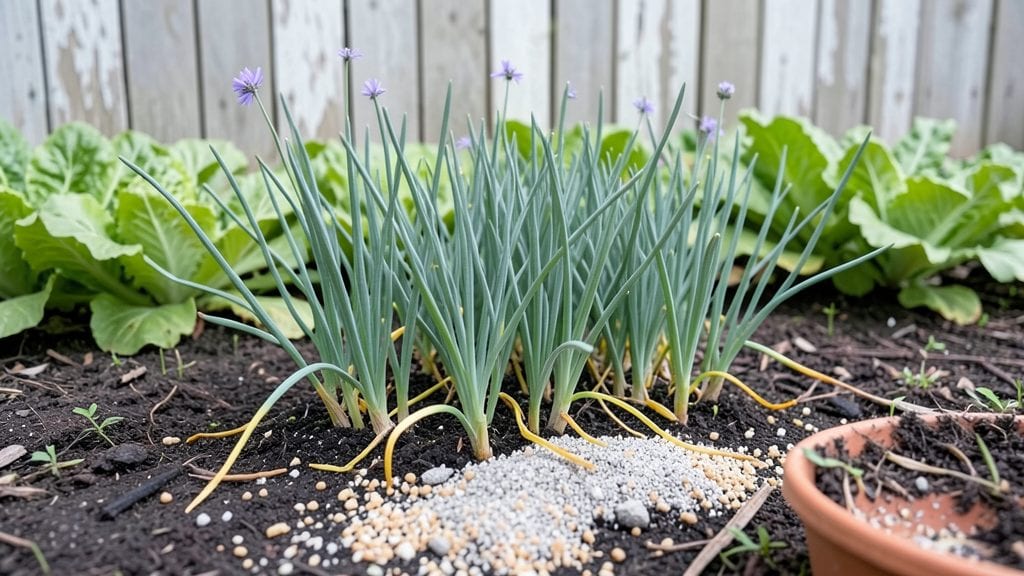
Sevendust for gardens finally gave me the upper hand against those relentless cabbage moths that were decimating my brassicas last summer. 🌱 I'd tried everything—neem oil, row covers, even planting sacrificial kale—but nothing stopped the caterpillars from turning my broccoli into lace. Sevendust changed that in just two applications.
The beauty of Sevendust lies in its simplicity: it's a ready-to-use powder that you mix with water and spray directly on pests. No fancy equipment needed—just a sprayer, a little elbow grease, and precise timing.
It works on over 100 garden pests, from aphids to beetles, without harming bees or beneficial insects when used correctly. The key is applying it early in the morning when bees are less active.
What you’ll notice within days is a dramatic drop in pest populations—no more skeletonized leaves or chewed tomatoes. The plants start looking healthier and more vigorous as the pests retreat.
It’s not a quick fix, but with consistent use, you’ll see results that rival chemical sprays without the guilt or residue.
Fair warning: it’s not a cure-all, and some pests might need repeated treatments. But for gardeners tired of losing crops to soft-bodied insects, Sevendust is a game-changer that finally delivers on its promise of humane pest control. Let’s get those pests under control the right way.
📚 In This Guide
- What you need
- Instructions
- Tips and common mistakes
- Wrapping up and next steps
What you need
- ● Sevendust (Diatomaceous Earth, Food-Grade): 10–20 lbs (depending on garden size; 1 lb covers ~100 sq ft for light infestations). Choose food-safe grade (not pool-grade!).
- ● Fine-mesh sifter or flour sifter: To evenly distribute the dust (a kitchen sifter works great!).
- ● Dust mask (N95 or higher): Protects lungs from fine particles—always wear one when applying.
- ● Gloves (nitrile or cotton): Prevents skin irritation and keeps hands clean.
- ● Lightweight broom or push broom: For spreading dust in larger areas.
- ○ Spray bottle with water (optional but helpful): Lightly mist plants before application to enhance adhesion.
- ● Early morning or late evening application: Avoid direct sunlight (UV breaks down DE’s effectiveness).
- ● Dry conditions: Apply only when soil and plants are dry—humidity reduces effectiveness.
- ● Targeted pests: Sevendust works best on crawling insects like ants, slugs, aphids, and earwigs. For flying pests, pair with row covers.
- ● Reapplication schedule: Every 3–7 days (or after rain) for continuous protection.
- ● Handheld duster (for precise application in tight spaces).
- ● Compost or mulch (to blend Sevendust into soil for long-term pest deterrence).
- ● Pet barriers (if you have curious pets—keep them away for 24 hours post-application).
How to apply Sevendust for effective, chemical-free pest control
This method keeps pests at bay while protecting pollinators and soil health—no harsh residues, just natural balance.
🪴 Step 1: Prepare Your Garden for Application
Choose a calm, dry day with no rain forecasted for at least 24 hours—moisture washes away the diatomaceous earth before it can work. I like to apply Sevendust in the early morning when dew has evaporated but before midday heat dries out plants. Clear debris from garden beds first; leaves and mulch can trap the powder and reduce effectiveness.
Wear a dust mask and long sleeves—Sevendust is non-toxic but can irritate lungs and skin. I use a lightweight cotton mask rated for fine particles and gloves to avoid skin contact. Avoid applying when bees or other beneficial insects are actively foraging; wait until evening if pollinators are present.
✂️ Step 2: Apply Sevendust Directly to Problem Areas
Use a duster applicator to target specific pest hotspots rather than broadcasting it widely. Focus on cracks in soil, under plant leaves, along stems, and garden edges where pests hide. For crawling insects like slugs, snails, and earwigs, create a 1-inch barrier around vulnerable plants. A light, even layer is all you need—overapplication wastes product and can harm beneficial soil organisms.
For soil-dwelling pests like grubs or cutworms, work Sevendust into the top ½ inch of soil using a small rake or hoe. This ensures direct contact without harming earthworms deeper in the soil. I find that reapplying every 2-3 weeks during active pest seasons maintains protection without building up residue.
💧 Step 3: Monitor and Reapply as Needed
Check treated areas 48 hours after application—you’ll see pests like aphids, slugs, and beetles either dead or deterred. Sevendust works by dehydrating insects through microscopic cuts, so you’ll notice them clinging to leaves or moving sluggishly before they die. If pests return within a week, reapply a fresh layer, focusing on new hotspots.
This is where it gets tricky: don’t overdo it. Sevendust is safe for plants and soil, but excessive use can temporarily disrupt microbial activity. I limit applications to no more than 4 times per season and always rotate with other organic methods like neem oil or companion planting to prevent resistance.
🌿 Step 4: Integrate with Other Organic Practices
Combine Sevendust with mulching to enhance its effectiveness—organic mulch like straw or wood chips retains moisture, making the garden less appealing to pests while keeping the diatomaceous earth in place. I also pair it with beneficial nematodes for soil pests; the nematodes handle underground threats while Sevendust tackles surface crawlers.
After application, water lightly if your garden becomes dry—this helps settle the dust but doesn’t wash it away. Avoid heavy watering for 24 hours post-application. For container gardens, sprinkle Sevendust into the soil surface and gently mix it in with a small hand rake or your fingers (wearing gloves).
⏰ Step 5: Time Applications for Seasonal Pest Peaks
Spring and early summer are critical times—apply Sevendust preemptively before pests like squash bugs or cabbage worms appear. I mark my calendar for late April and early June in most climates, adjusting based on local pest activity. For fall gardens, a single application in September protects overwintering pests like cutworms and slugs.
Real talk: Sevendust won’t solve every pest problem, but it’s a powerful tool against soft-bodied insects and soil-dwellers. For hard-shelled pests like beetles, combine it with kaolin clay or insecticidal soap. Always store Sevendust in a cool, dry place—moisture reduces its potency over time.
Tips & tricks for effective Sevendust application
A few key strategies will help you maximize Sevendust's effectiveness while keeping your garden thriving.
Timing is Everything: The 24-hour dry weather window before and after application is non-negotiable. I've learned this the hard way—after applying on a humid morning, the rain washed away all the benefits within hours. Check your local forecast for the next 48 hours and plan accordingly. Early morning applications work best because dew has evaporated but the heat hasn't yet dried out the diatomaceous earth.
Precision Application Technique: In Step 2, focus on creating that 1-inch barrier around vulnerable plants rather than broadcasting Sevendust everywhere. I use a small paintbrush for delicate areas where a duster applicator might be too aggressive. For soil-dwelling pests, work the powder into just the top ½ inch—deeper application risks harming beneficial earthworms. Remember, Sevendust needs direct contact to work effectively.
Monitoring Strategy: The 48-hour check is your best indicator of success. Look for pests clinging to leaves or moving sluggishly—this means the diatomaceous earth is working. If you see pests still active after 48 hours, reapply immediately. I keep a small notebook to track which areas need more frequent attention, typically every 2-3 weeks during peak pest seasons.
Seasonal Rotation Plan: To prevent resistance, I've developed a rotation schedule: Sevendust for surface pests in spring/summer, neem oil for foliar pests in early summer, and kaolin clay for hard-shelled insects in late summer. This 4-application limit per season keeps microbial activity balanced while maintaining pest control. The key is to alternate methods rather than relying solely on Sevendust.
Pro Tips for Sevendust For Gardens
- A few key strategies will help you maximize Sevendust's effectiveness while keeping your garden thriving.
- Timing is Everything: The 24-hour dry weather window before and after application is non-negotiable.
- Precision Application Technique: In Step 2, focus on creating that 1-inch barrier around vulnerable plants rather than broadcasting Sevendust everywhere.
Frequently asked questions
Got questions about using Sevendust for your garden? You’re not alone!
Here are some of the most common concerns—plus straightforward answers to help you get started with this natural pest control method.
What exactly is Sevendust, and how does it work?
Sevendust is a food-grade diatomaceous earth (DE) blended with other natural minerals. It works by mechanically damaging soft-bodied pests (like slugs, aphids, and beetles) when they crawl over it, causing them to dehydrate and die. Unlike chemical pesticides, it’s non-toxic to plants, pets, and humans when used correctly.
How long does it take to see results after applying Sevendust?
You’ll often notice a difference within 24–48 hours for active pests, but full effectiveness takes 3–7 days as pests continue to encounter the dust. Reapply after rain or watering, as moisture washes it away. Consistency is key! For severe infestations, repeat every 5–7 days until pests are gone.
Does rain wash away Sevendust, and do I need to reapply?
Yes! Sevendust is not waterproof, so it’ll lose effectiveness after heavy rain or irrigation. Reapply within 24 hours of wet conditions to maintain protection. For best results, apply it early in the morning or late afternoon to avoid wind dispersing it before pests can crawl over it.
Is Sevendust safe for pets, kids, and beneficial insects like bees?
When used as directed, Sevendust is non-toxic to mammals (including pets and kids) because it’s food-grade and doesn’t contain chemicals. However, avoid direct inhalation—wear a mask when applying. For bees and butterflies, apply dust away from flowers (they won’t walk on it) and avoid treating blooming plants during pollination periods.
What’s a good alternative if Sevendust isn’t working for my garden pests?
If Sevendust isn’t effective (e.g., against hard-shelled pests like earwigs or grubs), try these natural backups:
- Neem oil: Disrupts pest life cycles (great for soft-bodied insects).
- Beneficial nematodes: Targets grubs and larvae underground.
- Hand-picking: Use gloves to remove pests like slugs or beetles.
- Beer traps: For slugs—bury a shallow dish of beer near plants.
Combine methods for layered protection!
Wrapping up and next steps
Transforming your garden into a thriving, pest-free haven is easier—and kinder—than you think!
With Sevendust for gardens, you’ve got a natural, chemical-free solution that protects your plants while keeping wildlife safe. 🌱✨ Whether you’re a seasoned gardener or just starting, this approach proves that effective pest control doesn’t have to harm the environment or your veggies.
Ready to see the difference? Start small—test a patch of your garden this week and watch your plants flourish without the guesswork. Your future harvest (and the bees buzzing by!) will thank you. Happy gardening!