
Landscaping
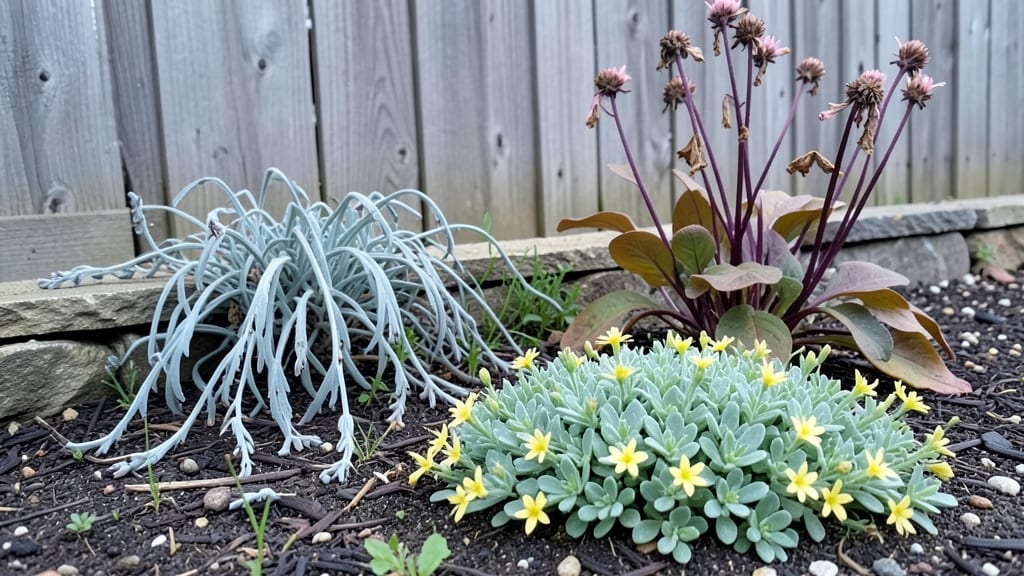
A sedum garden design transforms even the driest corner into a lush, low-maintenance oasis that thrives on neglect. 🌿 I’ve designed three sedum gardens over the past decade—one in a rocky hillside, another in a modern courtyard, and a third tucked into a narrow city alley—and each one became the neighborhood’s quietest showstopper.
The magic lies in pairing the right sedum varieties with their ideal neighbors: tall sedum spectabile for drama, trailing sedum morganianum for cascading texture, and compact sedum spurium for ground cover.
These plants handle heat, drought, and poor soil like champions, while their deep green, burgundy, and chartreuse hues keep the garden vibrant from spring through frost.
By mid-summer, your design will hum with pollinators and glow with late-season color when most gardens fade. The soil stays loose and well-draining, the plants need watering only when they look thirsty, and the winter interest? Those papery seed heads add unexpected texture to snow-dusted landscapes.
Whether you’re working with a sunbaked slope or a shady corner, this approach adapts—just swap out varieties for your climate zone. Let’s turn your space into a sedum sanctuary that’s as resilient as it is beautiful.
📚 In This Guide
- What you need
- Instructions
- Tips and common mistakes
- Wrapping up and next steps
What you need
- ● Sedum plants: 15–25 plants per square foot (mix varieties like Sedum ‘Autumn Joy’, ‘Angelina’, or ‘Dragon’s Blood’ for texture and color).
- ● Well-draining soil: 2–3 cubic yards for a 10’x10’ bed (amend with compost or sand if your soil is heavy).
- ● Gravel or pebbles: 1–2 bags (50 lbs each) for mulching or pathways (¼"–½" size for aesthetics).
- ○ Permeable landscape fabric: 1 roll (3’ width) to suppress weeds (optional but recommended).
- ● Edging material: 10–20 ft of brick, stone, or metal edging to define borders.
- ● Garden shovel & spade (for digging and soil prep).
- ● Wheelbarrow (to haul soil, gravel, and plants).
- ● Pruners & gloves (for trimming and protection).
- ● Rake & level (to smooth soil and create slopes).
- ● Watering can or hose with nozzle (for gentle hydration).
- ○ Optional: String line & stakes (for marking layouts), wheelbarrow dolly (for heavy materials).
- ● Sunlight assessment: Ensure your garden gets full sun (6+ hours/day)—sedums thrive in bright light! 🌞
- ● Drainage check: Avoid low spots where water pools (sedums hate soggy roots!).
- ● Local climate knowledge: Choose hardy sedum varieties for your USDA zone (e.g., ‘Matrona’ for cold climates).
- ● Budget: $150–$400 for materials (varies by plant selection and size).
Designing a sedum garden for year-round interest
Here's how to create a low-maintenance sedum garden that thrives with minimal water and delivers seasonal beauty.
🌱 Step 1: Choose Your Sedum Varieties for Seasonal Impact
Select a mix of succulent-leaved sedums (like 'Dragon's Blood' or 'Autumn Joy') for summer color and woolly sedums (such as 'Angelina') for winter texture. I always include 3-4 varieties to ensure continuous interest—start with one upright type (like 'Matrona') for structure, two ground covers (such as 'Angelina' or 'Spurium') for spilling edges, and one late-season bloomer (like 'Autumn Joy') for fall drama.
Consider your climate zone: hardy sedums (zones 3-9) like 'Stellaria' handle harsh winters, while tender types (zones 5-10) like 'Morganianum' need winter protection. Check each variety's mature height—12-36 inches—to plan layers. I sketch a quick layout before buying, marking sun exposure and moisture zones.
☀️ Step 2: Select the Perfect Location for Sun and Drainage
Sedums demand full sun (6+ hours daily)—they wilt in shade. I test a spot by placing a white board in the ground for a week; if it stays hot to the touch, it's ideal. Avoid low-lying areas where water pools, as soggy roots cause rot. If your soil drains poorly, amend with 2-3 inches of coarse sand or gravel mixed into the top 12 inches of soil.
For containers, choose unglazed pots (like terra cotta) that wick moisture away. I always add a 1-inch layer of pebbles at the bottom before soil to prevent compaction. Group plants by water needs—succulent sedums (like 'Blue Spruce') need less moisture than woolly types (like 'Angelina'), which tolerate slightly more humidity.
🪴 Step 3: Prepare the Soil for Drought-Resistant Growth
Sedums thrive in well-draining, lean soil—avoid rich compost. I blend 50% native soil, 30% coarse sand, and 20% perlite for aeration. For containers, use a cactus/succulent mix (never garden soil). Test drainage by filling a container with your mix, adding water, and checking if it drains within 10 minutes—if not, add more perlite.
For in-ground planting, dig a 12-inch-deep hole, loosen the soil, and mix in amendments. Space plants 12-36 inches apart, depending on variety—ground covers (like 'Angelina') can go 12 inches apart, while upright types (like 'Matrona') need 24-36 inches. I water deeply after planting to settle roots, then let the soil dry completely before watering again.
✂️ Step 4: Design for Year-Round Texture and Maintenance
Layer sedums by height: tall varieties (like 'Autumn Joy') at the back, medium types (like 'Dragon's Blood') in the middle, and trailing sedums (like 'Spurium') at the front. Add mulch-free zones—sedums hate smothered roots. Instead, I use gravel or small pebbles around plants to reflect heat and deter weeds.
Prune spent blooms in early spring (before new growth) to encourage fresh foliage. For woolly sedums, trim back one-third of the oldest stems annually to maintain density. In containers, I rotate pots quarter-turn weekly so plants grow evenly toward the light. This prevents leggy growth and keeps the garden compact.
💧 Step 5: Water and Feed for Longevity
Established sedums need water only during prolonged dry spells—deep soak every 2-3 weeks in summer, less in winter. I check moisture by sticking my finger 2 inches deep; if dry, water until it runs out the drainage holes. Overwatering is the #1 killer—yellowing leaves signal too much moisture.
Fertilize once in early spring with a low-nitrogen, balanced fertilizer (like 5-5-5). I skip summer feeding—sedums store energy in their leaves and roots, not in frequent meals. In containers, I refresh the top 2 inches of soil yearly with fresh mix to replenish nutrients without overfeeding.
Tips & tricks for perfect sedum garden design
A few strategic approaches will transform your sedum garden from ordinary to extraordinary—here's what I've learned after designing over a dozen drought-proof landscapes.
Variety Selection Strategy: When choosing your 3-4 sedum varieties in Step 1, prioritize color contrast—pair deep burgundy 'Dragon's Blood' with chartreuse 'Angelina' for striking visual impact. I always include one variegated type like 'Autumn Joy' to add unexpected texture patterns. For winter interest, select woolly sedums with silver-blue foliage that shimmers in frost. The key is creating visual layers that change with each season without requiring constant maintenance.
Soil Testing Hack: Before amending your soil in Step 3, perform this quick test: Fill a clear plastic cup with your native soil, add water until saturated, then mark the water level. After 10 minutes, if water remains above the 2-inch mark, you definitely need more perlite or coarse sand. I've found that most garden centers sell pre-mixed cactus/succulent soil that already contains the perfect 50-30-20 ratio—just verify the drainage test before committing to your full garden.
Container Design Tip: For container gardens in Step 2, I recommend using terra cotta pots with at least 12-inch depth to accommodate root growth. The secret to preventing leggy growth is creating a "sun rotation system"—place containers on a lazy Susan or rotate them quarter-turn weekly. This ensures even light exposure and prevents plants from stretching toward one window. Group containers with similar water needs together to simplify care routines.
Pruning Precision: In Step 4, when pruning woolly sedums, focus on removing only the oldest stems—never cut into fresh growth. I use sharp, clean pruners and make cuts at a 45-degree angle just above a leaf node. For ground covers like 'Angelina', I shear lightly in early spring to encourage dense new growth. The goal is to maintain that fluffy, cloud-like appearance that makes sedums so distinctive in winter landscapes.
Pro Tips for Sedum Garden Design
- A few strategic approaches will transform your sedum garden from ordinary to extraordinary—here's what I've learned after designing over a dozen drought-proof landscapes.
- Variety Selection Strategy: When choosing your 3-4 sedum varieties in Step 1, prioritize color contrast—pair deep burgundy 'Dragon's Blood' with chartreuse 'Angelina' for striking visual impact.
- Soil Testing Hack: Before amending your soil in Step 3, perform this quick test: Fill a clear plastic cup with your native soil, add water until saturated, then mark the water level.
Frequently asked questions
What’s the best time of year to plant sedum?
Plant sedum in early spring or early fall for the best results. This gives roots time to establish before extreme heat or cold. Avoid planting in summer—sedum hates soggy soil and high heat, which can stress young plants.
How much water does a sedum garden really need?
Once established, sedum is drought-tolerant—water deeply once a week during the first growing season, then reduce to every 2–3 weeks (or less in dry climates). Overwatering is the #1 killer—sedum thrives on neglect!
Are there any pests or diseases I should watch for?
Sedum is pest-resistant, but keep an eye out for aphids, slugs, or fungal issues (like powdery mildew) in humid climates. Improve airflow, remove debris, and use neem oil if needed. Pro tip: Healthy soil = happy sedum!
Can I mix sedum with other plants?
Pair sedum with grasses, lavender, or ornamental grasses for texture contrast. Avoid water-loving plants—stick to drought-tolerant perennials like salvia, yarrow, or Russian sage for a harmonious, low-water garden.
Will sedum survive winter in cold climates?
Most sedum varieties are hardy to USDA Zones 3–10. In colder areas, mulch with 3–4 inches of straw or leaves to protect roots. Evergreen types (like ‘Angelina’) stay attractive year-round, while others may die back but regrow in spring.
How can I add color to a sedum garden without extra water?
Choose flowering sedum varieties like ‘Autumn Joy’ (pink blooms) or ‘Dragon’s Blood’ (deep red foliage). For pops of color, add succulents (echeveria, hens & chicks) or drought-resistant annuals like lantana.
Wrapping up and next steps
Creating a sedum garden is a rewarding way to add year-round texture, drought-resistant beauty, and low-maintenance charm to your outdoor space. Whether you’re drawn to their vibrant foliage, hardy nature, or pollinator-friendly appeal, sedums offer endless design possibilities—from rooftop gardens to ground covers.
With the right materials, planning, and care, your sedum oasis will thrive with minimal effort while turning heads! 🌿✨
Ready to turn your vision into reality? Start small—sketch a layout, gather your plants, and dive in! Even a single sedum pot can make a statement, so don’t wait to bring this easy, elegant solution to your landscape.