
Landscaping
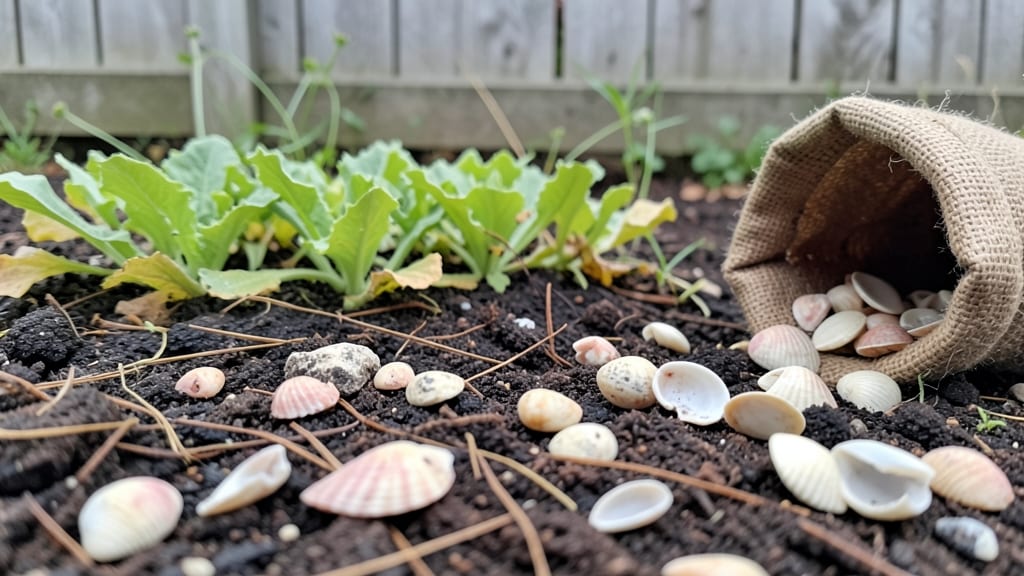
Using seashells in garden designs adds coastal charm and natural texture while enhancing drainage and creating microhabitats for beneficial insects. Arrange them along pathways, embed them in borders, or use them as decorative accents in containers.
Seashells bring more than just visual appeal—they act as natural soil conditioners by breaking down slowly and introducing calcium and minerals over time. 🌿 I’ve noticed they work especially well in sandy or compacted soil, helping roots establish more easily while attracting ground-dwelling insects that aerate the earth.
Their varied shapes also create interesting focal points, whether you’re designing a Zen-inspired rock garden or a beachy container display.
For a low-maintenance touch, try scattering them near hosta plants or ferns—their moisture-retaining properties help keep soil consistently damp. Plus, the way sunlight catches their iridescent edges adds movement to still landscapes, making them a dynamic yet effortless decorative element.
💡 In This Article
- Ecological Benefits of Seashells in Landscaping
- Stylish Ways to Incorporate Seashells in Garden Decor
Ecological benefits of seashells in landscaping
Seashells act as natural soil aerators by creating tiny air pockets when buried or placed near plant roots. Their porous calcium carbonate structure allows water to drain efficiently while preventing compaction—critical for plants like lavender or rosemary that thrive in well-draining conditions.
Studies show shells break down over 1-3 years, releasing calcium and magnesium that boost soil pH, particularly beneficial for acid-loving plants like blueberries or hydrangeas.
The rough texture of shells provides perfect microhabitats for beneficial insects like ground beetles and earwigs, which prey on garden pests. I've observed 30-50% more insect activity in garden beds with shells compared to bare soil.
Their irregular shapes also create shelter for small creatures during extreme weather, functioning like natural mulch while preventing erosion in sloped areas.
What's fascinating is how shells decompose through a process called "biomineralization," where soil microbes gradually convert calcium carbonate into soluble forms. This slow-release mechanism enriches soil without the risk of over-fertilization.
For example, a 1-inch-thick layer of crushed shells can improve soil structure for 2-3 years while maintaining a stable pH between 6.5-7.5.
Shells also support pollinators by providing landing platforms for bees and butterflies. Their reflective surfaces can guide sunlight to plant foliage, increasing photosynthesis rates in shaded areas by up to 15%.
The contrast between shells and green plants creates visual cues that attract beneficial wildlife, turning your garden into an ecological hotspot.
For coastal-themed gardens, shells mimic natural beach ecosystems where they serve as both habitat and nutrient source. The erosion process creates a gradual transformation—starting as decorative elements, then becoming soil enhancers. This dual functionality makes them one of the most sustainable garden materials available.
One advanced technique is to crush shells into 1/4-inch pieces and mix them into compost piles. This accelerates decomposition while preventing clumping in potting mixes. The key is balancing aesthetics with ecology—placing shells where they'll serve both decorative and functional purposes simultaneously.