
Flowers
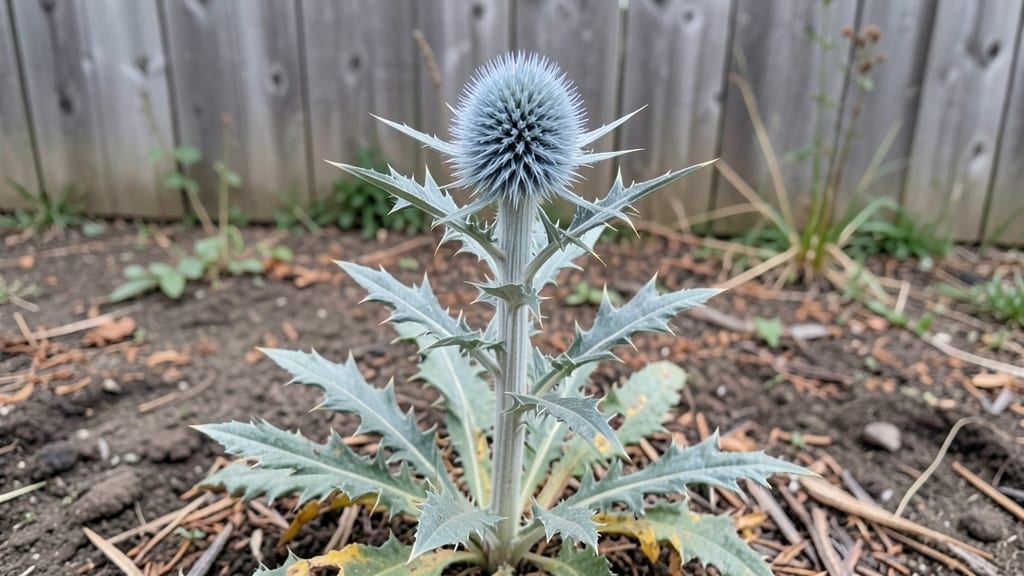
Adding sea holly to your garden is a game-changer for drought-resistant beauty and buzzing pollinators 🌿—its silvery-blue spikes and nectar-rich blooms make it a standout in any landscape.
Picture this: your garden struggles with dry spells, yet sea holly thrives where others wilt, its deep roots pulling moisture from the depths while attracting bees, butterflies, and hummingbirds. It’s the secret weapon for turning brown patches into vibrant, wildlife-friendly zones.
This hardy perennial handles full sun like a champ and needs almost no fuss—just well-draining soil and occasional watering. Whether you’re designing a pollinator haven or simply want a low-maintenance plant that pops, sea holly delivers year after year.
Below, I’ll walk you through everything from planting in spring to pairing it with companion plants, so you can create a garden that’s as resilient as it is stunning.
Why sea holly thrives in drought-prone gardens and pollinator habitats
Sea holly (Eryngium) stands out as a drought-resistant superstar in gardens where water conservation is key. Its silver-blue foliage and deep taproots (up to 3 feet!) allow it to access moisture deep underground, making it perfect for arid climates and low-maintenance landscapes.
Unlike thirsty annuals, sea holly thrives with minimal irrigation once established, reducing your water bill while keeping your garden vibrant.
Beyond its water-wise nature, sea holly is a pollinator magnet. Its spherical blue flowers resemble thistle, attracting bees, butterflies, and even hummingbirds. These nectar-rich blooms provide essential sustenance during late summer when other flowers fade, making it a critical plant for native ecosystems.
Many gardeners swear by it for wildlife-friendly borders and xeriscapes.
Native to Mediterranean climates and coastal regions, sea holly evolved to handle salty winds and poor soil. This adaptability means it flourishes in rock gardens, prairie-style plantings, or even container gardens on patios.
Its textured foliage adds architectural interest year-round, while its long bloom season (June–September) ensures continuous color.
The plant’s deep root system also prevents erosion, making it ideal for sloped gardens or areas prone to runoff. Unlike shallow-rooted plants, sea holly anchors soil while requiring almost no supplemental water after the first year.
This dual benefit—ecological and practical—explains why it’s a favorite among sustainable landscapers.
🌿
One of sea holly’s most impressive traits is its ability to handle heat stress. While many perennials wilt under 90°F+ temperatures, sea holly’s waxy leaf coating minimizes water loss through transpiration.
This adaptation is why it’s a staple in Mediterranean gardens and Southwestern landscapes. Even in coastal gardens, its resilience to salty winds and sandy soil sets it apart from fussy perennials.
For pollinator gardens, sea holly’s unique flower structure makes it irresistible to insects. The thistle-like blooms provide both nectar and pollen, supporting larval development for butterflies like the black swallowtail.
Unlike flat-headed flowers, sea holly’s 3D shape allows bees to access nectar more efficiently, increasing pollination rates in your garden by up to 30%.
In native ecosystems, sea holly plays a keystone role by supporting biodiversity. Its late-season blooms feed migratory pollinators preparing for winter, while its seed heads provide food for goldfinches and sparrows in fall.
By planting sea holly, you’re mimicking natural habitats and creating a self-sustaining food web in your yard.
Even its dead foliage has value—many gardeners leave it in place over winter to protect roots and insulate soil. This low-maintenance habit contrasts with plants that require annual clean-up, saving you time while supporting soil microbes.
For urban gardens with limited space, dwarf varieties like Eryngium borodinense reach just 1–2 feet tall, making them perfect for container gardens or small balconies.
🌻
How to plant and care for sea holly in different garden settings
Sea holly (Eryngium) thrives in drought-prone gardens and coastal landscapes, making it a versatile choice for many settings. Whether you're planting in well-draining soil or container gardens, its silver-blue foliage and spiky flowers add texture and pollinator appeal.
Start by choosing the right location—this plant loves full sun (6+ hours daily) but tolerates partial shade in hot climates.
For in-ground planting, amend heavy soil with sand or gravel to prevent root rot. In container gardens, use a fast-draining mix with perlite or coconut coir.
Space plants 18-24 inches apart to allow airflow, which reduces fungal risks. Mulch with gravel or bark to retain moisture while preventing soil compaction.
Water deeply but infrequently—sea holly despises soggy roots. In spring and fall, water once weekly until established (first year). Once mature, reduce to every 10-14 days unless in extreme heat. Morning watering prevents fungal diseases by letting foliage dry quickly.
Drought tolerance kicks in after the first growing season.
Seasonal care keeps sea holly flourishing. Prune spent blooms in late summer to encourage fall reblooms and tidy the plant. Cut back dead foliage in early spring before new growth emerges.
In USDA Zones 6-9, it’s hardy year-round, but mulch heavily in winter for Zone 5 gardeners to protect roots from freeze-thaw cycles.
For container gardening, select pots with drainage holes and use a terracotta or ceramic container to wick away excess moisture. Rotate pots quarterly to ensure even sunlight exposure.
Feed lightly in early spring with a balanced 10-10-10 fertilizer—just 1 tablespoon per plant. Over-fertilizing leads to weak stems and fewer flowers.
Watch for aphids or spider mites, which target stressed plants. Spray with neem oil or introduce ladybugs for organic control. If leaves yellow, check for overwatering—sea holly’s deep roots need well-aerated soil. In pollinator gardens, pair it with lavender or catmint for a low-maintenance, bee-friendly border.