Tools
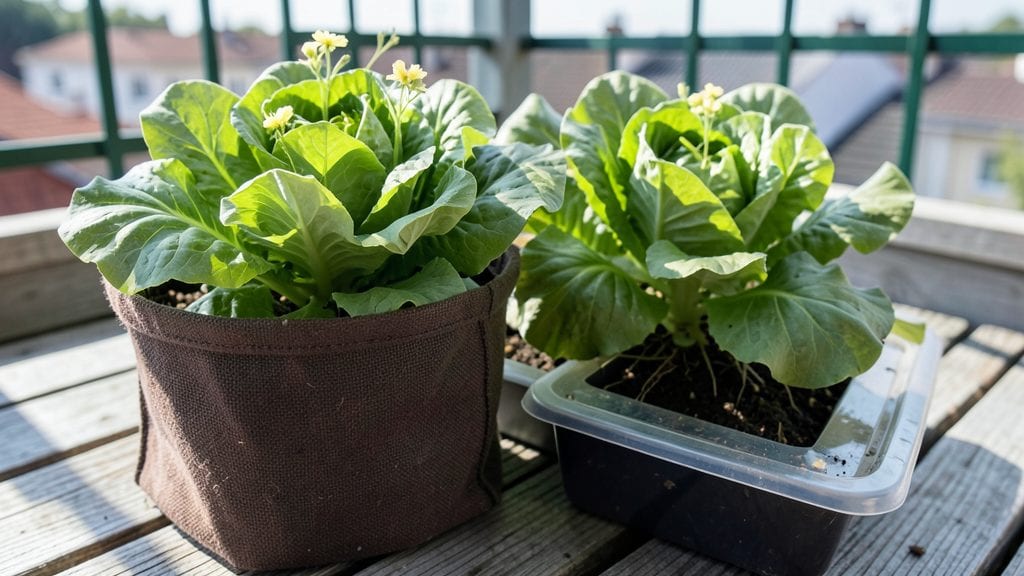
Renter-friendly gardening turns even a tiny balcony into a thriving oasis without asking your landlord for permission. 🌱 I’ve grown herbs on a windowsill, tomatoes on a fire escape, and even a mini salad garden in a closet—all while keeping my deposit intact.
The secret? Containers, mobility, and plants that forgive minor neglect.
You’ll need just a few basics: lightweight pots with drainage, a watering can or spray bottle, and soil designed for containers. No digging, no permanent marks, and no need to explain why you’re stacking trays on the deck.
Even a single sunny window can produce enough basil to make your kitchen smell like a Mediterranean market by summer’s end.
By the time you’re pinching back your first tomato suckers or harvesting cherry peppers, you’ll wonder why you ever waited. These setups stay productive for months, and when move-in day comes, you can pack up every plant and pot—no cleanup required.
The best part? Your green thumb won’t need a yard to prove itself.
Works in apartments, condos, or even a college dorm—just swap out plants for your climate and light conditions. Here’s how to make it work without breaking the rules (or your lease).
📚 In This Guide
- What you need
- Instructions
- Tips and common mistakes
- Wrapping up and next steps
What you need
- ● Containers: 3–5 lightweight, durable pots (5–10 gallons each) with drainage holes. Opt for fabric grow bags or self-watering planters for flexibility.
- ● Potting Mix: 1–2 bags of high-quality, well-draining organic potting soil (avoid garden soil—it’s too heavy!).
- ● Seeds or Seedlings: Herbs: Basil, mint, or chives (fast-growing, low-maintenance).
- ● Veggies: Cherry tomatoes, lettuce, or peppers (compact varieties).
- ● Flowers: Petunias or marigolds (bright, pollinator-friendly).
- ● Watering Can or Spray Bottle: A 1–2 gallon can with a narrow spout for precision.
- ● Fertilizer: Slow-release granules or liquid organic fertilizer (like fish emulsion).
- ● Pruning Shears: Small, sharp scissors for trimming.
- ● Gloves: A pair of lightweight, breathable gardening gloves.
- ● Self-adhesive felt pads for pot feet (protects floors!).
- ● Grow lights (LED, full-spectrum) for low-light spaces.
- ● Trellis or tomato cage (for vertical growth—great for small spaces!).
- ● Compost bin (for kitchen scraps if you’re composting).
- ● Portable greenhouse or cloche (extends growing season).
Step-by-step instructions for renter-friendly gardening
Turn any small space into a thriving garden without landlords or leases standing in your way.
🪴 Step 1: Choose Lightweight, Portable Containers
Start with containers that weigh under 15 pounds when full—plastic or fabric grow bags work best. I like to use the 5-gallon fabric pots because they’re lightweight, breathable, and easy to move. Avoid heavy ceramic or stone pots unless you’re prepping for a move. Place containers on a rolling cart or balcony railing for flexibility.
Check your space for even 4-6 hours of indirect light daily. South-facing windows get the most light, but east or west exposures work too. If you’re in a bedroom or dim room, supplement with a 12-inch LED grow light on a timer for 12 hours daily. Watch for leaves stretching toward light—that’s your cue to adjust the position.
🌱 Step 2: Use Fast-Growing, Low-Maintenance Plants
Stick to herbs, leafy greens, and compact veggies like basil, parsley, lettuce, or dwarf tomatoes. These grow quickly and don’t need deep roots, so they thrive in shallow containers. Avoid root crops like carrots or potatoes—they’ll outgrow your space fast. I plant 1-2 seeds per container to avoid overcrowding and thin seedlings to the strongest one.
Water gently after planting to settle the soil, but don’t overdo it—most renter-friendly plants prefer slightly dry soil over soggy conditions. Use a spray bottle for seedlings to avoid disturbing them. Once they’re established, water when the top ½ inch of soil feels dry. You’ll notice wilted leaves if they need hydration.
☀️ Step 3: Optimize Light and Airflow Without Permanent Changes
Rotate containers quarter-turn weekly so plants grow evenly toward light. If your balcony gets afternoon sun, move containers out of direct rays by 2 PM to prevent scorching. For indoor setups, keep plants 12-18 inches from windows—closer if glass is clear, farther if it’s tinted.
Improve airflow by placing a small fan on low 6 inches away for 10 minutes daily. This mimics outdoor breezes and deters pests. I’ve found that even a gentle breeze keeps plants healthier than stagnant air. If you notice yellowing leaves, it’s often a sign of poor airflow or overwatering.
💧 Step 4: Maintain with Minimal Effort
Fertilize every 4-6 weeks with a balanced liquid fertilizer (like 10-10-10) diluted to half-strength. Over-fertilizing burns roots, so less is more. I mix it into my watering can to avoid mess. Watch for dark green, glossy leaves—they’re a sign your plants are happy and well-fed.
Harvest regularly to encourage growth. Pinch off outer leaves of herbs or pick outer leaves of lettuce to keep plants bushy. If you see flowers forming on herbs like basil, snip them off—they’ll make the leaves bitter. You’ll know it’s time to harvest when plants look leggy or overgrown.
✂️ Step 5: Plan for Easy Relocation
Before moving, water plants thoroughly and wrap the roots in a damp towel to keep them moist. Label containers with masking tape and a marker so you remember what’s inside. If you’re moving to a new space, set up containers in their new spots 24 hours before planting to minimize stress. Most herbs and greens recover quickly if you handle them gently.
For long-term storage, reduce watering 3 days before moving and place containers in a shaded, cool spot during transit. Once settled, resume your care routine. I’ve moved plants between apartments twice, and they bounced back within a week with proper prep. The key is keeping roots moist and minimizing light stress during the transition.
Tips & tricks for perfect renter-friendly gardening
Small spaces and temporary living don't have to mean giving up your green thumb dreams. Here's how to turn any apartment into a thriving garden.
The Container Game-Changer: Fabric grow bags are my secret weapon for renter-friendly gardening. They're lightweight, breathable, and prevent root circling that can happen in plastic containers. I've found that the 5-gallon size works perfectly for herbs and leafy greens while staying under that 15-pound weight limit. Pro tip: Stack them vertically on a rolling cart to maximize space—you'll be surprised how much you can fit on a small balcony!
Light Hack for Dim Rooms: That 12-hour daily light requirement can be tricky in bedrooms or north-facing apartments. I've had great success with a $20 LED grow light on a timer—just place it 12 inches above your plants. The key is consistency: set the timer for 12 hours on/12 hours off to mimic natural daylight cycles. For extra efficiency, position your grow light near the brightest window in the room to supplement natural light during daylight hours.
Watering Wisdom: The "top ½ inch dry" rule works wonders, but here's the real secret: water in the morning. This gives plants all day to absorb moisture before evening, reducing the risk of fungal issues. I use a spray bottle for seedlings to avoid disturbing their delicate roots, but switch to a watering can with a narrow spout once they're established. Watch for those wilted leaves—they're your plants' way of saying "I'm thirsty!" but don't wait until they're completely limp to water.
Move Day Prep: That 24-hour adjustment period before moving is crucial, but here's what nobody tells you: wrap your plants' roots in a damp towel and place them in a cardboard box with holes punched in the sides. This creates a mini greenhouse effect that keeps them stable during transit. I've moved plants between apartments twice using this method, and they've bounced back within days. The key is keeping those roots moist and minimizing light stress during the transition—your plants will thank you with fresh growth!
Pro Tips for Renter Friendly Gardening
- Small spaces and temporary living don't have to mean giving up your green thumb dreams.
- The Container Game-Changer: Fabric grow bags are my secret weapon for renter-friendly gardening.
- Light Hack for Dim Rooms: That 12-hour daily light requirement can be tricky in bedrooms or north-facing apartments.
Frequently asked questions
Got questions about keeping your green thumb thriving without the commitment? We’ve got answers! Here are some of the most common concerns—and solutions—for renters diving into gardening.
Can I garden in a rental if my landlord says no?
Check your lease first! If it’s a hard “no,” start small with non-invasive options like herbs in pots (basil, mint) or a windowsill succulent garden. Frame it as “low-risk” decor—landlords often care more about damage than dirt. If they’re still hesitant, offer to remove all plants when you move out.
What’s the best time of year to start renter-friendly gardening?
Spring and early summer are ideal for most renters, but timing depends on your plants. Leafy greens (like lettuce) and herbs grow fast in warm weather, while cold-hardy options (kale, spinach) thrive in cooler months. Pro tip: Use a seed-starting kit indoors in winter for a head start!
How much does renter-friendly gardening really cost?
Start with $20–$50 for basics: seeds, small pots, and soil. Reuse containers (yogurt cups, egg cartons) to cut costs. Long-term savings: Homegrown herbs/veggies save $50+ yearly vs. store-bought. Check dollar stores or thrift shops for cheap supplies!
What do I do if pests or mold show up in my rental garden?
Act fast! For pests: neem oil spray or companion planting (marigolds repel bugs). Mold? Improve drainage with perforated pots or sand mixed into soil. Document issues with photos—some landlords may cover treatment costs if it’s a pre-existing problem.
Can I garden in my bedroom or bathroom?
Low-light plants like snake plants, pothos, or chives thrive in bedrooms. Bathrooms need good airflow—crack a window or use a small fan. Just avoid overwatering (humidity + moisture = mold risk). Bonus: A bedroom herb garden wakes up your kitchen game!
Still stuck? Drop your question in the comments—we’re happy to help you grow, guilt-free!
Wrapping up and next steps
Renter-friendly gardening proves that you don’t need a yard—or even a full sunlit balcony—to grow your own green haven! Whether you’re nurturing herbs in a sunny windowsill, reviving a struggling houseplant, or experimenting with hydroponics, every small effort adds up to a fresh, sustainable, and satisfying hobby.
The best part? You’re not just decorating your space—you’re creating a legacy of self-sufficiency, even if you’re only here for a season.
Ready to take the next step? Start with one tiny project—like a single pot of basil or a hanging succulent—and watch your confidence (and green thumb) grow. Share your progress with fellow renters, swap tips, or even gift your homegrown harvest to neighbors.
After all, gardening is about connection as much as it is about growth. 🌱