
Tools
Building a red spider garden with a sturdy metal frame isn't just about climbing plants—it's about creating a thriving vertical haven that outsmarts pests like red spider mites before they start.
I learned this the hard way when my trellised roses became a buffet for those tiny invaders, but a well-designed metal frame changes everything by improving airflow and sunlight exposure.
The secret lies in the frame itself: powder-coated steel resists rust, and the open lattice design lets you spot early signs of trouble—like webbing or speckled leaves—before they spread.
You'll need basic tools, a weekend afternoon, and a few key plants like clematis or morning glories that naturally deter pests while looking stunning. The result? A pest-resistant vertical garden that doubles as privacy and shade.
Once established, your red spider garden will stay healthier longer, with fewer chemical treatments needed. The metal frame's durability means you won't have to replace it every few years, and the vertical space maximizes your growing area—perfect for small yards or urban balconies.
Plus, the open design makes it easy to monitor plant health at a glance.
This setup works year-round in most climates, though you might need to adjust plant choices for colder zones. The metal frame's versatility means you can adapt it for flowers, vegetables, or even a mix—just keep those spider mites at bay with regular inspections and the right plant companions.
Let's build something that actually works for you.
Root Causes Of Webbing Woes
If your garden has become a playground for tiny red spiders, don’t panic—these eight-legged intruders are usually harmless, but their webs can be a nuisance. Understanding why they appear helps you take targeted action. Here are the most common causes, explained in simple terms with science-backed solutions.
Red spiders (often Tetranychus urticae or similar species) thrive in heat and low humidity. When temperatures rise above 80°F (27°C) and moisture drops below 40%, these pests multiply rapidly.
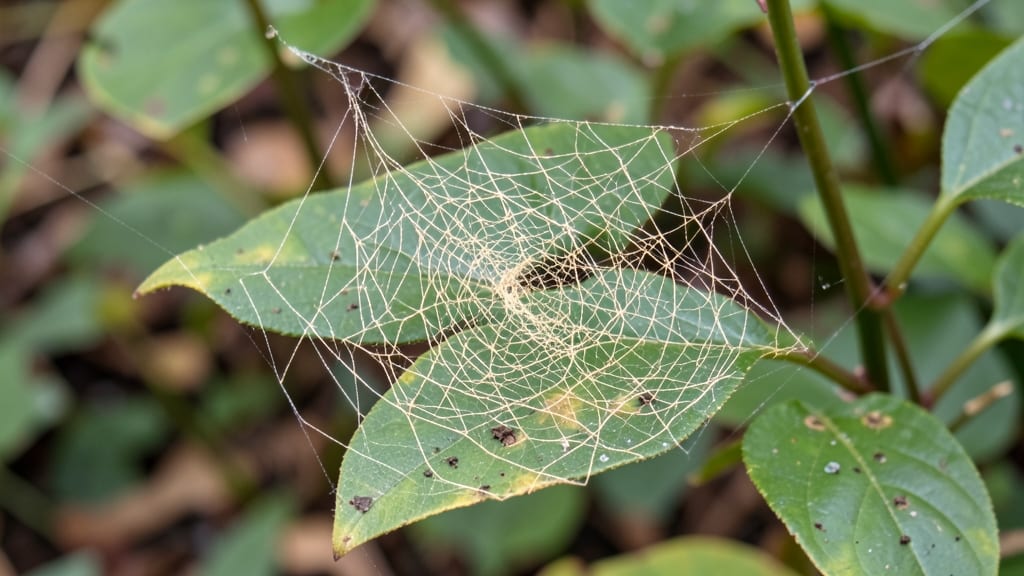
Their tiny bodies lose water quickly, so they spin webs to trap dew and humidity—leading to those telltale silvery strands in your garden.
Why it happens:
- Rapid reproduction: High temps accelerate their life cycle from egg to adult in just 5–7 days.
- Dormant predators: Natural enemies like ladybugs or lacewings become sluggish in heat, giving spiders free rein.
- Stressed plants: Drought weakens foliage, making it easier for spiders to feed on sap.
Actionable fix: 💡 Increase humidity with morning watering (avoid evening—wet webs encourage fungus). Use shade cloth on climbing plants or mist leaves lightly. A hygrometer (humidity monitor) helps track ideal levels (50–70%).
Climbing plants like roses, ivy, or morning glories grow lush in gardens—but dense foliage provides perfect hiding spots. Spiders seek shelter in the undersides of leaves, where they’re protected from wind, predators, and pesticides.
A single infested plant can spread webs to nearby structures (like your red spider garden frame) in weeks.
Why it happens:
- Microclimates: Thick vines trap heat and moisture, creating ideal spider conditions even in cooler areas.
- Shared webs: Spiders “communicate” via silk threads, so one plant’s outbreak can quickly colonize others.
- Root competition: Overwatered or nutrient-starved plants release more sugars in sap—spiders’ favorite snack.
Actionable fix: 🌿 Prune strategically: Thin out climbing plants to improve airflow. Remove heavily webbed leaves (drop them in soapy water, not compost!). Space vines at least 12 inches apart from other plants to break spider bridges.
While spiders aren’t typically drawn to chemical fertilizers, synthetic pesticides can backfire by killing their natural predators first. For example, neonicotinoids (common in garden sprays) may wipe out parasitic wasps or mites that keep spider populations in check.
Meanwhile, over-fertilizing with nitrogen makes plants softer and more susceptible to spider feeding.
Why it happens:
- Predator collapse: Sprays like malathion target all insects—including spider-eating mites.
- Stress signals: Damaged plants release volatile organic compounds (VOCs) that attract spiders as a food source.
- Resistant strains: Some spider species evolve to tolerate low-level pesticides, making them harder to eradicate.
Actionable fix: 🔍 Test soil first: Use a DIY pH kit (ideal: 6.0–7.0 for most climbers). Switch to orgainc fertilizers (like compost tea) to avoid chemical buildup. For pests, try neem oil (disrupts spider life cycles) or introduce phytoseiulus persimilis mites (their natural predators).
Next up: Learn how to prevent future outbreaks with low-tech, high-impact garden hacks.
Practical fixes for garden web issues
Spider mites, aphids, and other tiny pests can turn your lush climbing plants into a tangled mess—especially when they thrive on a sturdy metal frame like the red spider garden structure. But don’t worry!
With the right approach, you can restore your garden’s health and keep those eight-legged invaders at bay. Below are targeted solutions for common causes, paired with simple fixes and prevention tips to keep your plants thriving.
A red spider garden frame can become a hotspot for cobwebs if it’s neglected or overgrown. Dust, dead leaves, and tight spaces create the perfect hiding spot for spiders (and their webs).
How to Fix It:
✅ 🧹 Clean the Frame Thoroughly
- Remove all plants temporarily (if possible) and wash the frame with a mild soapy water solution (1 tbsp dish soap per gallon of water).
- Use a stiff brush or pressure washer (low setting) to dislodge webs and debris from crevices.
- Rinse with clean water and let it dry completely in the sun—UV light helps kill spider eggs.
✅ 🌿 Prune for Better Airflow
- Trim back overgrown vines to allow sunlight and air circulation around the frame.
- Avoid letting plants touch the ground, as this can attract spiders seeking shelter.
✅ 🕸️ Natural Spider Deterrents
- Place peppermint oil-soaked cotton balls in small mesh bags near the frame (spiders hate the scent).
- Introduce spider-eating predators like ladybugs or birds by adding a small bird feeder nearby.
💡 Prevention Tips:
- Monthly inspections: Check for webs every 4-6 weeks, especially after rain.
- Keep the area tidy: Remove fallen leaves and debris from the base of the frame.
- Use a fine mesh screen if storing the frame during winter to block spiders.
If your plants are covered in sticky residue, yellowing leaves, or tiny crawling pests, you’re likely dealing with sap-sucking insects that weaken vines and reduce photosynthesis.
How to Fix It:
✅ 💦 Blast Them Off with Water
- Use a strong spray nozzle to forcefully rinse the undersides of leaves where pests hide.
- Repeat every 3-4 days until the infestation clears (works best for aphids and young mites).
✅ 🌿 Introduce Beneficial Insects
- Ladybugs and lacewings are natural predators—buy them online or attract them with neem oil-treated plants.
- Release them in the early morning or evening when they’re most active.
✅ 🧴 Organic Sprays for Heavy Infestations
- Neem oil spray (1 tsp neem oil + 1 tsp mild soap + 1 quart water) – spray every 5-7 days until pests are gone.
- Insecticidal soap (follow package instructions) – effective but avoid spraying in direct sunlight.
✅ 🔥 Remove Severely Infested Leaves
- Cut off heavily damaged foliage and dispose of it in a sealed bag (not compost).
- Prune weak or infested vines to encourage new, healthy growth.
💡 Prevention Tips:
- Inspect new plants before adding them to the frame—quarantine for a week if possible.
- Avoid over-fertilizing (especially with nitrogen), as soft new growth attracts pests.
- Encourage biodiversity: Plant marigolds, basil, or garlic nearby—their scents repel many garden pests.
Moisture trapped in a metal frame (especially in humid climates) can lead to rust, mold, or powdery mildew, which weakens the structure and harms plants.
How to Fix It:
✅ 🛠️ Clean and Dry the Frame Immediately
- Wipe down the frame with a vinegar-water mix (1:1 ratio) to kill mold and mildew.
- For rust spots, use a wire brush to scrub, then apply metal primer before repainting.
✅ 🌞 Improve Drainage and Airflow
- Ensure the frame is elevated slightly off the ground (use gravel or bricks).
- Avoid watering at dusk or dawn—water in the early morning so leaves dry quickly.
✅ 🌿 Adjust Plant Placement
- Space vines 3-4 inches apart on the frame to prevent overcrowding.
- Choose disease-resistant plant varieties (e.g., clematis or jasmine) if fungal issues persist.
💡 Prevention Tips:
- Paint or powder-coat the frame with a rust-resistant sealant before use.
- Store the frame indoors during heavy rain or winter if possible.
- Use drip irrigation instead of overhead watering to keep foliage dry.
To keep your red spider garden (or any climbing frame) in top shape:
- 📅 Schedule seasonal deep cleans (spring and fall).
- 🌿 Rotate plants annually to prevent soil-borne pests from building up.
- 👀 Monitor weather patterns—humid summers or wet springs increase pest risks.
With these practical fixes and prevention steps, your climbing plants will stay strong, your frame will remain sturdy, and your garden will be a pest-free paradise! 🌿✨
Frequently asked questions
What plants naturally repel spiders from my metal garden frame?
Try planting marigolds, basil, or garlic nearby—their strong scents deter spiders naturally. For climbing plants, clematis or jasmine grow well on metal frames while resisting pests better than roses or ivy. The key is spacing them 12 inches apart to prevent spider bridges between plants.
How often should I inspect my metal frame for spider webs?
Check every 4-6 weeks during growing season, and monthly in hot/dry weather when spiders multiply fastest. Focus on frame crevices, leaf undersides, and plant bases—these are their favorite hiding spots. A quick 10-minute inspection prevents small outbreaks from becoming full-blown infestations.
Can I use the same metal frame for both flowers and vegetables?
Yes, but space them carefully! Vegetables like cucumbers or pole beans grow well on metal frames, while flowers like morning glories deter pests. Just avoid planting tomatoes or peppers too close to flowers—their different water needs can create moisture pockets that attract spiders.
What's the best way to clean cobwebs from my frame without damaging plants?
Use a damp microfiber cloth or soft brush to gently wipe webs—never pull them, as this can spread eggs. For stubborn webs, spray with vinegar-water mix (1:1 ratio) and let sit for 5 minutes before wiping. Always clean on a dry, sunny day when plants are least stressed.