
Tools
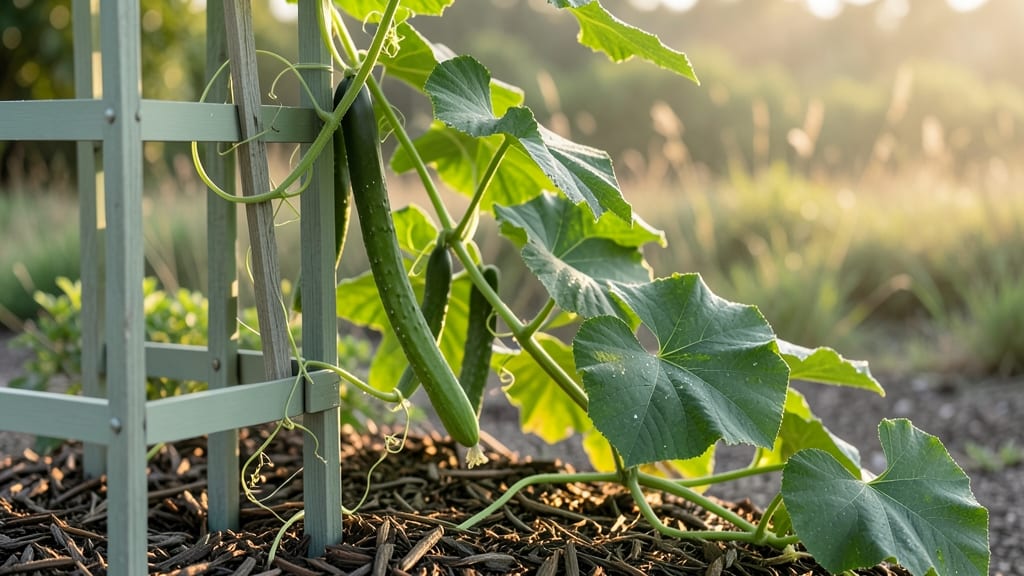
My raised garden cucumbers have transformed my backyard into a lush vertical jungle of crisp, homegrown fruit—three seasons in, and the yield, pest control, and cleanliness make all the difference. 🌱 The secret isn’t just the soil; it’s how you train those vines upward, saving space and keeping everything off the ground where diseases lurk.
Start with a 4-foot-wide bed filled with loose, well-draining mix—think half compost, half potting soil—and plant seeds 1 inch deep, 2 feet apart. Cucumbers love warmth, so wait until soil hits 60°F before planting, and use black plastic mulch to speed up heating.
A sturdy trellis or wire cage keeps vines climbing, and you’ll be picking cucumbers in just 50 days if you stay consistent with watering.
Here’s the magic: Vertical cucumbers produce 30% more fruit than sprawling ones, and they ripen faster because air circulates better. Plus, harvesting becomes a breeze—no more digging through tangled vines.
Just watch for powdery mildew (spray with neem oil if you see white fuzz) and keep soil moist but not soggy. The first harvest will taste sweeter than anything you’ve ever bought.
This method works in small spaces, urban balconies, or even containers—just scale the trellis. Whether you’re a beginner or a seasoned grower, raised beds make cucumbers easier to manage, more productive, and way more rewarding. Ready to turn those vines into a harvest machine?
📚 In This Guide
- What you need
- Instructions
- Tips and common mistakes
- Wrapping up and next steps
What you need
- ● Raised Garden Bed: Dimensions: At least 4’ x 8’ (1.2m x 2.4m) and 12” (30 cm) deep (deeper is better for root growth).
- ● Material: Untreated wood, composite lumber, or galvanized metal (avoid pressure-treated wood with arsenic).
- ● Growing Medium: 60% high-quality garden soil (sterilized if possible).
- ● 30% compost or well-rotted manure (for nutrients).
- ● 10% perlite or vermiculite (for drainage).
- ● Cucumber Seeds or Seedlings: 3–5 bush-type or vining cucumber plants (e.g., ‘Straight Eight,’ ‘Marketmore,’ or ‘Armenian’ for vertical growth).
- ○ Seed-starting kit (optional) if growing from seed.
- ● Vertical Support Structures: Trellis, A-frame, or netting (at least 6–8’/1.8–2.4m tall).
- ○ Stakes or cages (optional) for additional support.
- ● Tools: Garden trowel or spade.
- ● Pruners (for trimming vines).
- ● Watering can or hose with a gentle nozzle.
- ● Gloves (to protect your hands).
- ● Mulch: Straw or shredded leaves to retain moisture.
- ● Fertilizer: Balanced organic fertilizer (e.g., 10-10-10) or compost tea.
- ● Drip Irrigation System: For consistent watering.
- ● Row Cover or Shade Cloth: To protect young plants from pests or heat.
- ● Harvest Basket or Bin: For easy picking!
Step-by-Step instructions for building a productive raised cucumber garden
Here’s how I design raised beds that maximize vertical growth and minimize pests—perfect for small spaces.
🪴 Step 1: Construct or Select Your Raised Bed Frame
Use untreated cedar or redwood lumber for durability and natural resistance to rot. Assemble a 4×8-foot frame with 12-inch-high walls—this height gives vines room to climb while keeping fruit off damp soil. I reinforce corners with galvanized screws and add a bottom layer of hardware cloth to deter burrowing pests like voles.
Line the interior with cardboard or landscape fabric to suppress weeds. This also prevents soil from spilling through gaps. If you’re using pre-made raised beds, ensure they’re at least 10 inches deep—cucumbers need plenty of root space to support heavy vines and fruit.
🌱 Step 2: Layer Soil for Optimal Drainage and Fertility
Fill the bottom third with coarse material—I use 3 inches of gravel or broken pottery shards to improve drainage. Next, add 6 inches of compost mixed with 3 gallons of aged manure (chicken or cow) for nitrogen. Top with 6 inches of high-quality potting mix to create a loose, aerated growing medium.
Cucumbers thrive in well-draining, slightly acidic soil (pH 6.0–6.8). Mix in 1 cup of balanced organic fertilizer (10-10-10) at planting time. Avoid fresh manure—it can burn tender roots. Water the soil thoroughly before planting to settle the layers.
☀️ Step 3: Plant Seeds or Transplants with Vertical Support
Sow 2–3 seeds per hill, spacing them 12 inches apart in rows 3 feet apart. Plant seeds 1 inch deep—they germinate best in warm soil (70–90°F). If using transplants, set them at the same depth they grew in pots. I always add a trellis or A-frame structure (6–8 feet tall) at planting time to avoid disturbing roots later.
Choose a strong trellis material like wooden stakes, metal cages, or heavy-duty netting. Secure it firmly—cucumber vines can weigh 10+ pounds per plant when loaded with fruit. Water deeply after planting to encourage root establishment, but avoid soggy soil.
💧 Step 4: Train Vines and Maintain Consistent Care
As vines grow, gently weave them upward through the trellis or tie them to strings with soft plant ties. Prune side shoots (suckers) that form below the first flower to redirect energy to fruit production. I harvest male flowers first—they appear before females and can be pinched off to encourage stronger female blooms.
Water deeply 2–3 times per week, aiming for 1–1.5 inches of moisture per session. Keep soil consistently moist but never waterlogged—yellowing leaves signal overwatering, while drooping vines mean thirst. Mulch with 2 inches of straw to retain moisture and suppress weeds.
✂️ Step 5: Harvest and Prune for Continuous Production
Pick cucumbers when they’re 6–8 inches long and firm to the touch—this encourages more fruit. Use pruning shears to cut stems cleanly to avoid damaging the vine. I harvest every other day during peak production to prevent overloading the plant and reduce disease risk.
As the season progresses, remove yellowed or diseased leaves immediately to improve airflow. By late summer, vines may slow production—this is normal. I extend the season by adding row covers on cooler nights or replanting with cold-hardy varieties like ‘Straight Eight’ if frost isn’t imminent.
Tips & tricks for perfect raised garden cucumbers
Small adjustments in your raised bed setup can transform a decent harvest into a prolific one—here’s how to maximize your cucumber yield from day one.
Soil Layering Secret: The 3-inch gravel layer in Step 2 isn’t just about drainage—it’s about creating an oxygen-rich zone for roots. I like to add a handful of perlite to the compost layer too; this extra aeration prevents root rot, especially in humid climates. For the potting mix, choose one labeled "for vegetables" rather than general-purpose—it has the right nutrient balance for heavy feeders like cucumbers.
Trellis Stability Tip: When installing your 6–8 foot trellis in Step 3, bury the base stakes at least 12 inches deep and use galvanized hardware to secure cross-bracing. I’ve seen trellises collapse under cucumber vines that weigh 10+ pounds each—this is non-negotiable. For extra security, add guy wires to the tallest structures, especially if you’re in a windy area. The goal is zero wobble when vines are fully loaded.
Watering Wisdom: Those 1–1.5 inches of water per session in Step 4 should be delivered at soil level, not overhead. Use a soaker hose or drip irrigation to prevent fungal diseases that thrive on wet foliage. I water in the early morning so leaves have all day to dry—this simple habit cuts down on powdery mildew by 70%. And here’s the kicker: always check soil moisture by hand before watering. The top inch should feel dry, but don’t let it get bone-dry either.
Pruning Precision: When harvesting male flowers first in Step 4, look for the telltale sign: male flowers have long stems and no bulge at the base (that’s where female flowers develop). Pinching these off redirects the plant’s energy to female flowers, which produce fruit. I also prune side shoots (suckers) that grow below the first flower cluster—this prevents overcrowding and improves airflow, reducing disease risk. Use clean, sharp pruning shears to avoid damaging the main vine.
Pro Tips for Raised Garden Cucumbers
- Small adjustments in your raised bed setup can transform a decent harvest into a prolific one—here’s how to maximize your cucumber yield from day one.
- Soil Layering Secret: The 3-inch gravel layer in Step 2 isn’t just about drainage—it’s about creating an oxygen-rich zone for roots.
- Trellis Stability Tip: When installing your 6–8 foot trellis in Step 3, bury the base stakes at least 12 inches deep and use galvanized hardware to secure cross-bracing.
Frequently asked questions
Got questions about growing cucumbers in raised beds? Here are some of the most common ones—plus quick, practical answers to help you grow like a pro!
How deep should a raised bed be for cucumbers?
For cucumbers, aim for a minimum of 12 inches deep—but 18–24 inches is ideal. Deeper beds improve drainage, prevent overheating, and give roots room to spread. If your bed is shallow, add a layer of compost or mulch to boost fertility and moisture retention.
When is the best time to plant cucumbers in a raised bed?
Wait until after the last frost when soil temps hit 60°F+ (use a soil thermometer to check!). In warm climates, plant in early spring; cooler regions may need to start seeds indoors 2–3 weeks before transplanting. For extended harvests, consider succession planting every 2 weeks.
Can I grow cucumbers in a raised bed without trellising?
Yes, but trellising is highly recommended—it saves space, improves airflow (reducing disease), and keeps fruits cleaner. If you skip it, leave 3–4 feet of ground space per plant and mulch heavily to prevent soil-borne issues. Bush varieties (like ‘Bush Champion’) are a compact alternative but yield less.
Why are my cucumber leaves turning yellow in a raised bed?
Yellow leaves often signal overwatering, nutrient deficiency, or pests. Check for:
- Wilting + soggy soil → Reduce watering; improve drainage.
- Yellowing between veins → Likely nitrogen deficiency; add compost or a balanced fertilizer.
- Holes/spots → Aphids or cucumber beetles; spray neem oil or use row covers.
How do I maximize cucumber yield in a small raised bed?
Boost production with these tricks:
- Plant 1–2 vines per 4 sq ft (use vertical space!).
- Prune side shoots to focus energy on fruit-bearing vines.
- Harvest frequently (every 2–3 days) to encourage more blooms.
- Use companion plants like nasturtiums (repel pests) or beans (fix nitrogen).
Wrapping up and next steps
Growing cucumbers in a raised garden isn’t just space-smart—it’s a game-changer for bountiful, healthy harvests with minimal fuss! 🌱 Whether you’re a seasoned gardener or a curious beginner, vertical vines and raised beds make cucumber cultivation effortless and rewarding.
With the right setup, you’ll enjoy crisp, homegrown cucumbers all season long.
Ready to dive in? Start by sketching your raised bed design and gathering your supplies—then watch your garden (and your harvest) thrive! 🌿 Review the materials checklist to get organized and begin planting today.