
Tools
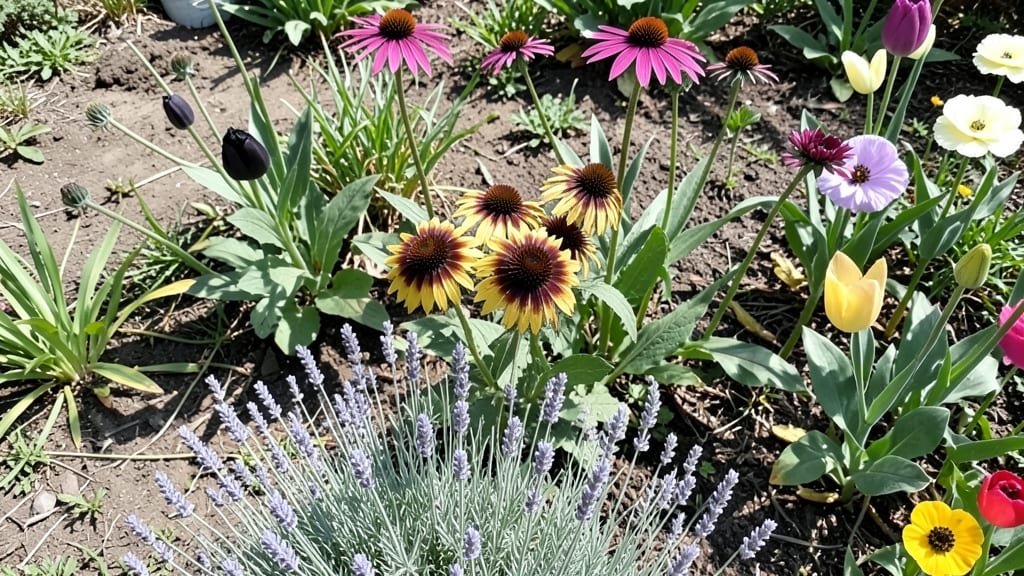
Promise garden photos aren't just pretty pictures—they're the blueprints for a space that feels like a hug every time you walk through it. 🌿 I've spent years collecting images of gardens that make me pause and sigh, the kind where every season has its own story to tell through color and texture.
These aren't just gardens; they're emotional anchors, places that promise beauty even when the world outside feels gray.
The magic happens in the details: a cottage garden bursting with peonies and lavender, a modern space with sleek boxwoods and jewel-toned perennials, or a tropical escape with banana plants and hibiscus. Each theme works with your space, whether you have a tiny balcony or a sprawling backyard.
The key is layering plants that bloom at different times so your garden never looks bare—just waiting for its next act.
What you'll get from these promise gardens is a visual roadmap for year-round interest. Imagine wisteria spilling over an arbor in spring, black-eyed Susans lighting up summer, and holly berries adding winter cheer.
The colors aren't just picked randomly—they're carefully chosen to create moods: soft blues for calm, fiery reds for energy, or creamy whites for elegance. You'll see how to mix textures too, from the velvety leaves of lamb's ear to the feathery plumes of ornamental grasses.
Here's the best part: you can adapt any of these themes to your own space, no matter its size or style. Start with one "promise" plant—a tree, a shrub, or even a container—that sets the tone, then build around it.
The photos will show you how to make it work, and I'll share the practical tips to bring that same magic to your garden. Let's get inspired!
📚 In This Guide
- What you need
- Instructions
- Tips and common mistakes
- Wrapping up and next steps
What you need
- ● Perennial Plants (5-10 varieties): 3-5 Hosta (shade-loving, varied foliage)
- ● 2-3 Hydrangeas (macrophylla or paniculata for blooms)
- ● 1-2 Daylilies (drought-tolerant, vibrant blooms)
- ● 1 Russian Sage (drought-resistant, purple spikes)
- ● 1 Black-Eyed Susan (golden-yellow, long-lasting)
- ● Annuals (Seasonal Swaps): Petunias, Geraniums, or Impatiens (spring/summer)
- ● Pansies or Violas (fall/winter hardiness)
- ● Mulch: 2-3 bags of shredded bark (1-2 inches deep)
- ● Soil Amendments: 1 bag compost (for nutrient-rich beds)
- ● 1 bag peat moss (for moisture retention)
- ● Digging: Garden trowel, digging fork, or small shovel
- ● Planting: Hand pruners, gloves, watering can (or hose with spray nozzle)
- ● Prep Work: Wheelbarrow (for soil/mulch), rake, measuring tape
- ○ Optional (But Helpful!): Soil pH tester (to customize care)
- ● Stakes or trellis (for climbing plants like clematis)
- ● Drip irrigation kit (for low-maintenance watering)
- ● Sunlight assessment: Full sun (6+ hrs), partial shade (3-6 hrs), or full shade (0-3 hrs)
- ● Space planning: Sketch your garden layout (include plant heights/mature sizes)
- ● Local climate zone knowledge: Choose plants rated for your USDA Hardiness Zone
How to create a year-round color garden with seasonal beauty
This isn't just a garden—it's a living photo album that changes with each season.
🌱 Step 1: Plan Your Seasonal Color Palette
Start by choosing 4-5 plants per season that complement each other. I like to pick one bold focal plant (like a red camellia for winter) and three supporting plants (like hellebores and pansies) to create depth. Sketch a rough layout on paper—this helps visualize how colors will transition.
Think about height too. Tall plants like ornamental grasses should go in the back, while shorter perennials and annuals fill the front. I always include at least one evergreen (like boxwood) to anchor the design year-round. This keeps the garden from looking empty during dormant months.
☀️ Step 2: Prepare the Soil for Long-Term Health
Test your soil first—most gardens need amendments. I spread 2-3 inches of compost over the entire area and work it into the top 6 inches of soil. For clay-heavy soil, I mix in 1 part sand to improve drainage. The goal is loose, fertile soil that holds moisture but doesn't stay soggy.
Don't rush this step. Healthy soil means plants thrive through all seasons. I like to add a slow-release fertilizer (like 10-10-10) at planting time, then top-dress with compost every spring. This gives plants steady nutrition without burning roots.
🌿 Step 3: Layer Plants for Continuous Bloom
Plant early bloomers (like crocus and hellebores) in early spring, then add summer favorites (like coneflowers and black-eyed Susans) in late spring. For fall color, I tuck in mums and asters, and winter interest comes from evergreens and berry-producing shrubs like holly.
Space plants according to their mature size—crowding leads to weak growth. I mark each spot with a stake before digging, then plant at the same depth as their nursery container. Water deeply right after planting to settle the soil and remove air pockets.
✂️ Step 4: Maintain Seasonal Care Through the Year
Spring is all about cleanup—remove dead foliage but leave seed heads for winter interest. Summer means regular watering (about 1 inch per week) and deadheading spent blooms to encourage more flowers. Fall is perfect for dividing perennials and adding mulch to protect roots.
Winter care is minimal—just remove any dead branches and check soil moisture occasionally. I always prune spring-flowering shrubs (like lilacs) right after they bloom, so they don't miss their seasonal show. Each season has its own rhythm, and sticking to it keeps the garden looking effortless.
🪴 Step 5: Add Finishing Touches for Photogenic Appeal
Pathways make the garden look intentional. I use stepping stones or gravel between plantings to create clean lines. Add a few decorative elements like a trellis, birdbath, or sculpture—just one or two—to keep the focus on the plants.
Lighting transforms the garden at night. I place solar-powered path lights along walkways and spotlights on focal plants. The warm glow makes the garden feel magical, even in winter. Finally, take notes each season—what thrived, what flopped, and what looked best in photos.
Tips & tricks for perfect year-round color gardens
Creating a garden that thrives through every season takes a few strategic moves—here's what I've learned after years of trial and error.
Seasonal Plant Pairing: In Step 1, when selecting your 4-5 plants per season, I recommend choosing plants with staggered bloom times within each season. For example, in spring, pair early bloomers like crocus (which appear in late winter) with tulips and daffodils. This creates continuous color rather than one big burst followed by bare stems. The key is to have something in bloom every 2-3 weeks throughout the growing season.
Soil Preparation Secret: Don't skip the soil test in Step 2—it's the foundation of everything. I've found that most gardeners underestimate how much difference 2-3 inches of compost makes. For clay soil, mix in that 1 part sand but also consider adding perlite for better aeration. The goal is soil that crumbles easily when squeezed—like a damp sponge—not hard clay or dusty sand. This makes all the difference in plant health year after year.
Planting Depth Matters: When planting in Step 3, pay special attention to the depth mentioned—plant at the same level as the nursery container. Many gardeners bury plants too deep, which can cause stem rot. A simple trick is to look for the soil line on the container or the base of the plant's stem. Also, water deeply right after planting to eliminate air pockets that can stunt root growth.
Seasonal Maintenance Calendar: Create a quick reference for Step 4's seasonal care. I keep a small notebook with these key reminders: Spring (cleanup + compost), Summer (water weekly + deadhead), Fall (divide perennials + mulch), Winter (prune lilacs post-bloom). This keeps me from missing critical tasks that could ruin the seasonal flow. The 1 inch per week watering guideline is perfect, but adjust for rain—always check soil moisture before watering.
Pro Tips for Promise Garden Photos
- Creating a garden that thrives through every season takes a few strategic moves—here's what I've learned after years of trial and error.
- Seasonal Plant Pairing: In Step 1, when selecting your 4-5 plants per season, I recommend choosing plants with staggered bloom times within each season.
- Soil Preparation Secret: Don't skip the soil test in Step 2—it's the foundation of everything.
Frequently asked questions
Got questions about creating a Promise Garden with year-round color? You’re not alone! Here are some of the most common queries—and their answers—to help you plan your dream seasonal garden with confidence.
What’s the best time of year to plant for year-round color?
For a Promise Garden that blooms nonstop, start with spring perennials (like lavender or coneflowers) and fall bulbs (such as daffodils or crocuses). Plant cool-season annuals (pansies, snapdragons) in early fall for winter interest, then swap them for heat-lovers (geraniums, marigolds) in late spring. Pro tip: Layer plants by height and bloom time for seamless transitions!
How do I keep my garden looking vibrant all year?
Consistency is key! Deadhead spent blooms regularly, mulch to retain moisture, and fertilize every 6–8 weeks (use slow-release options for perennials). Group plants with similar water needs, and don’t forget seasonal swaps—like replacing spring bulbs with fall mums. A little pruning in late winter also preps plants for fresh growth.
Can I use containers for a Promise Garden?
Containers are perfect for small spaces or renters. Choose large pots (12"+ diameter) for perennials and mix thrillers (eucalyptus), fillers (fuchsias), and spillers (petunias). Opt for self-watering containers in hot climates, and rotate pots seasonally to maximize sun exposure. Just ensure drainage—root rot is the #1 container killer!
What if my garden looks dull in winter?
Winter isn’t a lost cause! Add evergreens (boxwood, holly), ornamental grasses (for texture), or bare-branch plants (like dogwood) for structure. Spruce up with seasonal accents: pinecones, berry-producing shrubs, or even a Promise Garden-themed bird feeder. A fresh layer of mulch in neutral tones (straw or shredded bark) ties everything together.
Where can I find affordable plants for a big garden?
Skip the nursery markup! Check local plant swaps, Facebook Marketplace, or garden centers at the end of seasons (plants go 50–70% off!). Propagate perennials from cuttings, and start seeds indoors (like snapdragons or cosmos) for pennies per plant. Even dollar stores sometimes carry hardy annuals—just check for pests first!
Still stumped? Drop your Promise Garden questions in the comments—we’re happy to help you troubleshoot!
Wrapping up and next steps
Creating a Promise Garden that blooms with year-round color is all about embracing bold choices and seasonal beauty—one plant, one photo, and one season at a time! 🌸 From vibrant perennials to evergreen shrubs and striking annuals, your garden can be a visual promise of joy, no matter the time of year.
The key? Start small, document your progress with stunning photos, and let your garden tell its own story.
Ready to turn your vision into reality? Grab your gardening tools, sketch a quick plan, and take that first step today! Your future self—and your future garden—will thank you. 🌿✨