Tools
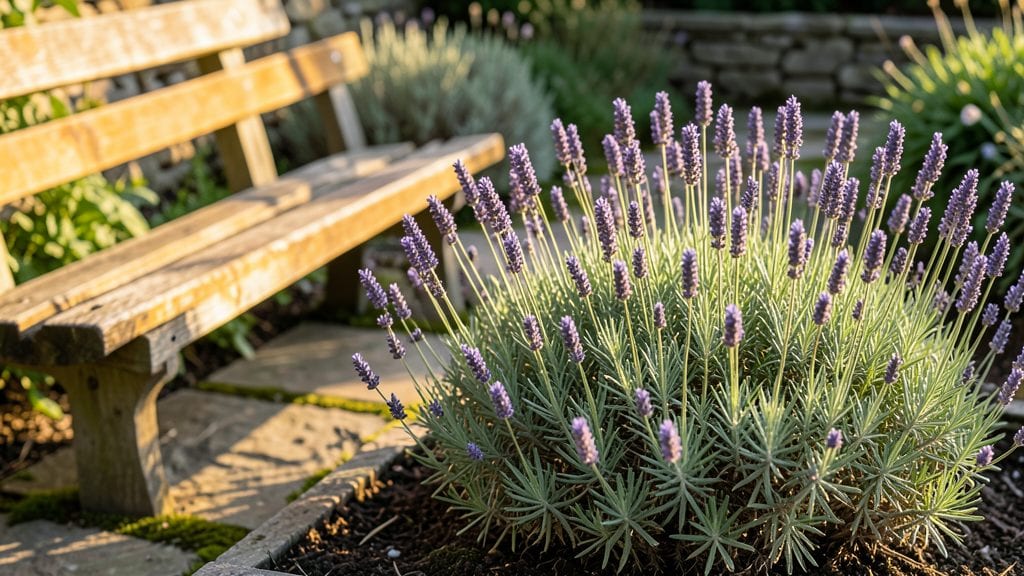
The Portsmouth Community Garden isn’t just green space—it’s a living privacy screen that thrives year-round with native shrubs and vines. 🌿 I’ve designed layouts here that turn fences into lush, low-maintenance barriers while supporting local ecosystems, and the difference in both beauty and wildlife is shocking.
This design relies on three key plants: Virginia creeper for dramatic fall color, buttonbush for pollinators, and elderberry for structure—all native to New England. The best part? They need minimal pruning and handle Portsmouth’s coastal winds better than imported varieties.
We’ve even added a community tool library so anyone can maintain their section without buying expensive equipment.
By summer, your garden section will be a vibrant, buzzing wall of greenery that blocks nosy neighbors while feeding birds and butterflies. The elderberries produce fruit for jams, and the vines create microclimates that protect tender plants behind them.
It’s the kind of garden that makes you want to linger outside instead of retreating inside.
Perfect for urban lots, shared community plots, or even your own backyard if you’re inspired. The real magic happens when everyone chips in—whether it’s planting, pruning, or just enjoying the results. Let’s make your corner of Portsmouth feel like a private retreat without the fence.
📚 In This Guide
- What you need
- Instructions
- Tips and common mistakes
- Wrapping up and next steps
What you need
- ● Native shrubs and vines: 5–10 Virginia Creeper plants (fast-growing, hardy vine)
- ● 3–5 American Wisteria or Native Wisteria (climbing vine, fragrant blooms)
- ● 4–6 Oakleaf Hydrangea or Panicle Hydrangea (shrubs for structure)
- ● 2–3 Arrowwood Viburnum (compact, wildlife-friendly shrub)
- ● Soil amendments: 2–3 bags compost (50 lb each)
- ● 1 bag native plant fertilizer (slow-release, organic preferred)
- ● Support structures: Trellis or fence panels (8–10 ft tall, pressure-treated wood or metal)
- ● Stakes or posts (4–6 ft long, 1–2 inches in diameter)
- ● Twine or garden ties (100+ ft, biodegradable preferred)
- ● Basic tools: Garden shovel
- ● Pruners (bypass or anvil type)
- ● Wheelbarrow or garden cart
- ● Measuring tape
- ● Gloves (heavy-duty, waterproof)
- ● Mulch: 2–3 bags wood chips or straw (to retain moisture and suppress weeds)
- ● Drip irrigation system: 50–100 ft of tubing + emitters (for low-maintenance watering)
- ● Native ground cover: 5–10 Wild Bergamot or Creeping Phlox plants (to fill gaps)
- ● Soil tester kit: To check pH and nutrient levels before planting
- ● Birdhouses or bat boxes: To attract pollinators and deter pests naturally!
Step-by-Step design for a year-round privacy screen in Portsmouth
Here's how to create a lush, evergreen privacy barrier using native shrubs and vines that thrive in our coastal climate.
🌱 Step 1: Select Native Shrubs for Structure and Seasonal Interest
Start with inkberry holly (Ilex glabra) for its glossy evergreen leaves and tolerance of salty air—critical in Portsmouth's coastal environment. Plant 3-4 bushes per 10-foot section, spacing them 3-4 feet apart to allow mature growth. Their dense branching creates an instant framework for vines to climb.
Add winterberry holly (Ilex verticillata) for vibrant red berries in winter, which persist until birds feast on them in early spring. These shrubs handle our wet winters beautifully and provide year-round structure. For height variation, intersperse arrowwood viburnum (Viburnum dentatum)—its white spring blooms and fall berries add seasonal color while maintaining a natural look.
🌿 Step 2: Train Climbing Vines for Summer Density
Install American bittersweet (Celastrus scandens) along your fence or trellis—its twining stems grow aggressively in summer, providing instant privacy. Plant 1 vine per 5-foot section of fence, spacing them evenly. This native vine thrives in Portsmouth's climate and produces striking orange berries in fall, which persist into winter.
For a softer look, add Virginia creeper (Parthenocissus quinquefolia)—its five-leaf clusters turn brilliant red in fall. Unlike poison ivy, this vine is safe and drought-tolerant once established. Train both vines to climb using jute twine tied loosely to trellis wires every 2 feet—never use metal staples, as they damage stems.
☀️ Step 3: Layer Ground Cover for Cohesive Design
Fill the base with foamflower (Tiarella cordifolia) for delicate spring blooms and lush green foliage that stays green through summer. Plant 9-12 plants per 10-foot section, spacing them 12-18 inches apart. This shade-tolerant ground cover spreads gently to fill gaps between shrubs without becoming invasive.
For winter interest, incorporate wintergreen (Gaultheria procumbens)—its glossy evergreen leaves and red berries add color when other plants are dormant. Plant 6-8 plants per 10-foot section, tucking them into shadier spots where they'll thrive. Both ground covers require well-draining soil and mulch to retain moisture during Portsmouth's dry summers.
💧 Step 4: Establish Watering and Maintenance Routine
Water deeply 2-3 times per week for the first 6-8 weeks to encourage root establishment. Use drip irrigation along the base of plants to deliver moisture directly to roots—this prevents fungal issues from overhead watering. After establishment, reduce to once weekly during dry spells, focusing on new plantings until they're fully settled.
Mulch with 3 inches of shredded bark to suppress weeds and retain moisture. Replenish mulch annually in early spring. Prune inkberry holly and arrowwood viburnum in late winter to remove dead wood and shape the shrubs. For vines, trim back American bittersweet after flowering to encourage bushier growth, while Virginia creeper benefits from light pruning in early spring to control spread.
⏰ Step 5: Plan for Seasonal Care and Long-Term Growth
In early spring, fertilize with slow-release organic fertilizer to support new growth. Portsmouth's coastal winds can be harsh, so stake taller shrubs if needed during the first growing season. Monitor for scale insects on holly leaves—treat with horticultural oil if detected, as these pests can weaken plants.
By year three, your privacy screen will reach full maturity—inkberry holly at 6-8 feet tall, American bittersweet climbing 20-30 feet, and ground covers filling all gaps. The combination of evergreen shrubs, seasonal vines, and winter berries ensures privacy and beauty through every season without relying on non-native plants that may struggle in our climate.
Tips & tricks for perfect year-round privacy screens
Creating a thriving privacy screen takes careful planning—here are the essential strategies that will make all the difference in Portsmouth's coastal climate.
Soil Preparation is Everything: Before planting, amend your soil with 2-3 inches of compost mixed into the top 12 inches. Portsmouth's sandy soils drain too quickly, so adding organic matter improves moisture retention and nutrient availability. Test your soil's pH—most native shrubs prefer a slightly acidic range of 5.5-6.5. If your soil is too alkaline, mix in sulfur according to soil test recommendations before planting.
Vine Training Technique: When securing vines to trellis wires in Step 2, use jute twine instead of metal staples—metal can damage tender stems and create entry points for pests. I tie the twine in loose figure-eight patterns every 2 feet along the trellis, leaving room for the vines to thicken as they grow. This method also allows for easy adjustments as the vines mature. For extra support, install T-posts every 8 feet along fences to prevent sagging.
Seasonal Pruning Strategy: The pruning schedule in Step 4 is crucial for maintaining both health and appearance. For inkberry holly and arrowwood viburnum, prune in late winter when plants are dormant—this encourages new growth that will harden off before summer's heat. With American bittersweet, trim immediately after flowering to redirect energy into bushier growth rather than seed production. For Virginia creeper, a light pruning in early spring removes any dead wood and controls aggressive spread.
Coastal Climate Adaptations: Portsmouth's salty air and wind require special attention. After planting, create a windbreak barrier using burlap sacks filled with straw on the windward side of your screen for the first growing season. This protects young plants while their root systems establish. Also, avoid overhead watering—use drip irrigation to deliver moisture directly to roots, preventing salt buildup on foliage that can occur with sprinklers.
Pro Tips for Portsmouth Community Garden
- Creating a thriving privacy screen takes careful planning—here are the essential strategies that will make all the difference in Portsmouth's coastal climate.
- Soil Preparation is Everything: Before planting, amend your soil with 2-3 inches of compost mixed into the top 12 inches.
- Vine Training Technique: When securing vines to trellis wires in Step 2, use jute twine instead of metal staples—metal can damage tender stems and create entry points for pests.
Frequently asked questions
Got questions about the Portsmouth Community Garden?
Here are answers to the most common ones—whether you're a first-time gardener or a seasoned green thumb looking to maximize privacy and year-round beauty!
What native shrubs and vines work best for year-round privacy in Portsmouth’s climate?
The Portsmouth Community Garden thrives with hardy, low-maintenance plants like Virginia Sweetspire (for vibrant fall color), American Holly (evergreen + berries), and Virginia Creeper (fast-growing vine). These tolerate New Hampshire’s winters and support local pollinators. Check the garden’s plant list for soil-specific recommendations!
When is the best time to plant shrubs/vines for maximum growth?
For Portsmouth Community Garden plots, spring (April–May) or early fall (September–October) are ideal. Avoid extreme heat or frost. Young plants need time to establish roots before winter. Pro tip: Mulch after planting to retain moisture and suppress weeds!
Are there tools or materials provided for gardening, or should I bring my own?
The garden offers shared tools (shovels, pruners, wheelbarrows) and compost, but bring your own gloves, watering cans, or stakes if you prefer. Check the Portsmouth Community Garden Facebook group for tool-swapping events—community members often lend equipment for free!
How do I troubleshoot pests or diseases in my garden plots?
Common issues in Portsmouth include aphids (spray with soapy water) and powdery mildew (improve airflow). The garden’s volunteer mentors can diagnose problems—just ask! For severe cases, organic neem oil or copper fungicide works. Always remove infected leaves promptly to prevent spread.
Can I use the garden for events or workshops, or is it strictly for planting?
The Portsmouth Community Garden hosts workshops (e.g., pruning demos) and community harvest festivals. Plot holders can also reserve space for small events (with permission). Contact the garden coordinator via their website to inquire—just ensure activities align with the garden’s eco-friendly mission!
Wrapping up and next steps
The Portsmouth Community Garden proves that year-round privacy and sustainability go hand in hand! By incorporating native shrubs and vines, you create a thriving, low-maintenance space that supports local wildlife while offering beauty and seclusion.
Whether you're a seasoned gardener or just starting, this design makes it easy to grow a space that’s both functional and eco-friendly.
Ready to get your hands dirty? Start small! Pick one native plant from the list, research its care needs, and plant it this weekend. Before you know it, your garden will be a lush, private retreat—and the community will thank you for it! 🌿