
Tools
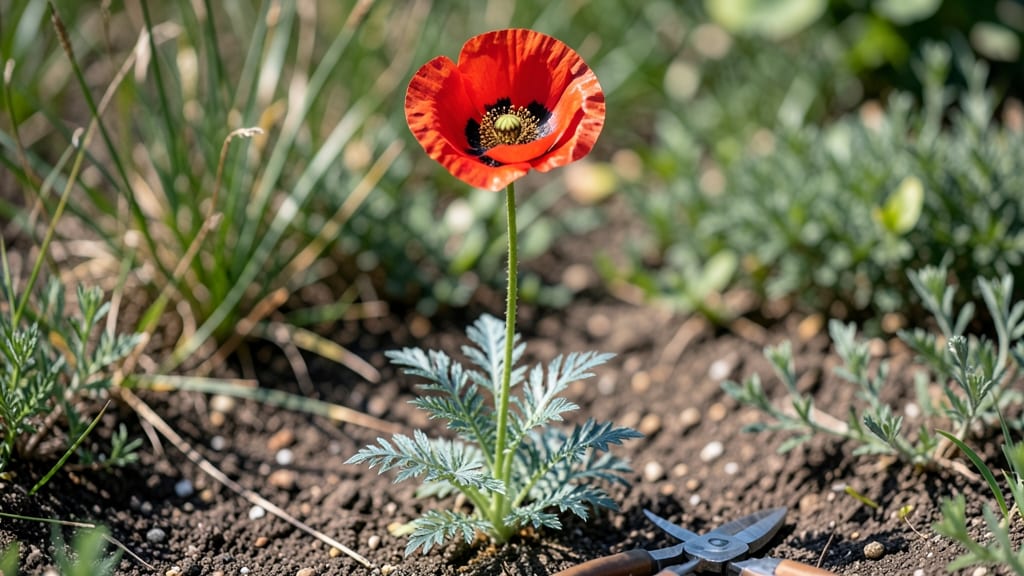
A poppy garden transforms any space into a dreamy, ever-changing canvas where bold colors and delicate petals dance with the breeze. 🌸 I learned the hard way that poppies demand full sun but reward you with blooms that last from spring through fall—if you plant them right.
The key is mixing heights and colors: towering California poppies against low-growing opium poppies, or bright reds with soft blues for a cottage garden feel.
Start with well-draining soil and scattered seeds rather than crowded rows—they’ll self-sow like magic. Pair them with lavender for texture, salvia for contrast, or even ornamental grasses to soften their wild edges. Containers work too, if you keep them shallow and give them a sunny windowsill or patio spot.
By midsummer, you’ll have a garden that feels like a living painting—vibrant in daylight, silvery in moonlight. The secret is letting them go slightly wild: deadhead spent blooms to encourage more flowers, but don’t overdo it. They’ll reward you with months of effortless beauty and even more blooms next year.
Works for formal borders, wildflower meadows, or a cozy corner—just give them space to sway. The best part? They thrive on neglect once established. Let’s make your garden the talk of the neighborhood!
📚 In This Guide
- What you need
- Instructions
- Tips and common mistakes
- Wrapping up and next steps
What you need
- ● Poppy Seeds or Seedlings: Choose between Papaver rhoeas (common poppy) or Papaver orientale (Oriental poppy). Opt for 100–200 seeds per square foot for a lush, natural look.
- ● Well-Draining Soil: Mix 1 part garden soil with 1 part compost and 1 part coarse sand or perlite (poppies hate soggy roots!).
- ● Garden Gloves: A sturdy pair to protect your hands while planting.
- ● Hand Trowel or Transplant Spade: For digging small holes (2–3 inches deep).
- ● Watering Can or Hose with Gentle Nozzle: Poppies need 1 inch of water per week (drip irrigation works best to avoid disturbing seeds).
- ○ Mulch (Optional but Helpful): Use straw or shredded leaves (1–2 inches thick) to retain moisture and suppress weeds.
- ● Companion Plants: Pair poppies with lavender, cosmos, or sweet peas for a fragrant, low-maintenance border.
- ● Decorative Stones or Stepping Stones: Add a rustic path to guide visitors through your garden.
- ● Vintage Garden Ornaments: Think wrought-iron birdcages, terracotta pots, or wind chimes for that storybook feel.
- ● Natural Dyes or Paint: For DIY garden signs or fences (use eco-friendly, non-toxic options!).
- ● Seasonal Add-Ons: Spring/Summer: Marigolds or nasturtiums for extra color.
- ● Fall/Winter: Dried poppy pods or ornamental grasses for texture.
Step-by-Step instructions for planting a whimsical poppy garden
Here's how to create a dreamy cottage-style poppy garden that blooms with effortless charm.
🌱 Step 1: Choose the Perfect Location and Prepare the Soil
Poppies thrive in full sun, so pick a spot that gets at least 6-8 hours of direct sunlight daily. I always test the area first by observing how much sun it receives throughout the day—poppies will wilt or produce fewer blooms if they're shaded too much. Clear away any weeds or grass, then loosen the soil to a depth of 12 inches with a garden fork or tiller.
Poppies prefer well-draining soil, so if your garden soil feels heavy or compacted, mix in 2-3 inches of compost to improve drainage and fertility. You'll know the soil is ready when it crumbles easily between your fingers and doesn't stick together in clumps. Avoid over-fertilizing—poppies grow best in lean soil, and too much nitrogen will encourage lush foliage at the expense of those iconic blooms.
💧 Step 2: Plant Poppy Seeds at the Right Depth and Spacing
Poppy seeds are tiny and delicate, so I like to scatter them directly onto the prepared soil without covering them too deeply. Sprinkle them evenly, aiming for 10-15 seeds per square foot, since not all will germinate. Press them lightly into the soil with your fingers or the back of a rake—just enough to ensure good soil contact without burying them.
Once planted, water the area gently with a fine mist or spray bottle to keep the soil moist but not soggy. Poppy seeds need consistent moisture to germinate, but they rot quickly if left in waterlogged soil. You'll see the first sprouts in 2-3 weeks, though some varieties may take a little longer. Avoid disturbing the soil while waiting for germination—poppy seedlings are fragile and can be easily dislodged.
☀️ Step 3: Provide Minimal Care and Enjoy the Blooms
Poppies are remarkably low-maintenance once established, which is why they’re perfect for cottage gardens. Water the plants 1-2 times per week, depending on rainfall, but only enough to keep the soil lightly moist. Overwatering is the biggest mistake—poppies hate soggy roots and will quickly decline if left too wet. You'll know they're getting the right amount of water when the soil feels dry 1 inch below the surface.
Let the plants grow naturally without staking or pruning, as their delicate stems and blooms are part of their charm. If you notice any weeds popping up, pull them by hand when the soil is damp—this prevents disturbing the poppy roots. In late summer or early fall, after the blooms have faded, you can cut back the stems to the ground to encourage a tidy look for next year’s growth.
⏰ Step 4: Plan for Year-Round Charm With Companion Plants
To keep your poppy garden looking magical year-round, pair them with companion plants that thrive in similar conditions. I like to add lavender, catmint, or ornamental grasses around the edges for texture and structure. These plants also deter pests that might target your poppies, creating a balanced ecosystem. Mulch lightly with straw or shredded leaves in late fall to protect the soil and retain moisture for next season.
Poppies are self-seeding, so you’ll likely find new volunteers popping up in subsequent years without any effort on your part. If you want to control their spread, deadhead the spent blooms before they go to seed. Otherwise, let nature take its course—your poppy garden will only grow more enchanting with time. Enjoy the showy blooms in early summer, knowing your garden will be a haven for pollinators and a whimsical retreat for years to come.
Tips & tricks for perfect poppy garden design
Creating a dreamy poppy garden takes more than just planting seeds—it's about understanding the little details that make all the difference. Here's what I've learned after watching poppies transform ordinary spaces into whimsical retreats.
The Sunlight Secret: That 6-8 hours of full sun isn't just a recommendation—it's non-negotiable for happy poppies. I've seen poppies struggle in partial shade, producing fewer blooms and leggy stems. If you're unsure about sunlight, test your spot for a week first. Place a white plate where you plan to plant and mark the sunniest hours. Anything less than 6 hours of direct sun will disappoint your poppies.
Soil Prep Strategy: Don't skip that 12-inch soil loosening in Step 1—poppies have shallow roots that need room to breathe. I use a garden fork to break up compacted soil, then mix in the 2-3 inches of compost only where needed. The key is creating pockets of improved soil rather than amending the entire area. This prevents over-fertilizing while still giving roots the drainage they crave.
Germination Timing: Those 2-3 weeks until sprouts appear can feel like forever, but patience is crucial. I've learned to mark seed beds with small flags to avoid accidentally disturbing them. Water gently with a spray bottle in the morning so the soil has time to dry slightly between waterings. Overwatering at this stage is the fastest way to lose your poppies.
Companion Plant Pairing: The companion plants in Step 4 aren't just decoration—they create a protective ecosystem. Lavender and catmint naturally repel pests that might target your poppies, while ornamental grasses add movement that makes the garden feel alive. I always plant these around the edges first, creating a natural border that defines the space while protecting the center.
Pro Tips for Poppy In Garden
- Creating a dreamy poppy garden takes more than just planting seeds—it's about understanding the little details that make all the difference.
- The Sunlight Secret: That 6-8 hours of full sun isn't just a recommendation—it's non-negotiable for happy poppies.
- Soil Prep Strategy: Don't skip that 12-inch soil loosening in Step 1—poppies have shallow roots that need room to breathe.
Frequently asked questions
Got questions about adding poppies to your garden? Here are some of the most common ones—and their answers—to help you create a stunning, low-maintenance cottage-style retreat.
When is the best time to plant poppies in my garden?
For Papaver species, sow seeds outdoors in early spring (after the last frost) or late summer for blooms the following year. Biennial poppies (like Papaver rhoeas) self-seed easily, so you’ll likely see volunteers popping up for years to come. Pro tip: Avoid planting in heavy clay soil—they thrive in well-drained, sandy loam.
Do poppies spread aggressively, or will they take over my garden?
Most poppies are well-behaved and won’t invade like mint or bamboo. However, California poppies (Eschscholzia) and Iceland poppies (Papaver nudicaule) self-seed prolifically. To control spread, deadhead spent blooms or plant them in containers. Pro tip: They’re drought-tolerant once established—perfect for low-water gardens!
Are poppies toxic to pets or children if ingested?
While poppies are generally non-toxic, some varieties (like opium poppies, Papaver somniferum) contain alkaloids that can cause mild stomach upset if eaten in large quantities. Stick to ornamental poppies (e.g., Papaver orientale or Papaver commutatum) for pet-friendly gardens. Pro tip: Keep pets away from fallen seed pods—they’re more appealing than mature plants.
What can I plant with poppies for a fuller cottage garden look?
Pair poppies with lavender, delphiniums, or catmint for height and texture. For contrast, add low-growing sweet alyssum, forget-me-nots, or violas. Avoid overcrowding—their delicate stems need airflow. Pro tip: Try a "wildflower meadow" mix with poppies for a natural, effortless vibe!
Why aren’t my poppy seeds germinating, even after planting?
Poppy seeds need light to germinate—don’t bury them! Scatter them on top of soil and press lightly. Cold stratification (chilling seeds for 2–4 weeks) can also help. If moisture is an issue, keep soil damp but not soggy. Pro tip: Try sowing in fall for a natural winter chilling process—nature does the work for you!
Can I grow poppies in containers or hanging baskets?
Yes! Dwarf varieties like Papaver commutatum or Eschscholzia ‘Golden Fleece’ thrive in containers. Use well-draining potting mix and a pot with drainage holes. For hanging baskets, choose trailing companions like calibrachoa or lobelia to complement their airy blooms.
Wrapping up and next steps
Creating a poppy-filled garden is a joyful way to bring color, charm, and whimsy to your outdoor space—no matter the season! 🌸 From selecting the perfect varieties to designing for year-round appeal, these tips ensure your cottage-style retreat blooms with effortless beauty.
Whether you’re a seasoned gardener or just starting, your poppy garden is waiting to become a beloved corner of magic.
Ready to dive in? Start small—plant a few poppies this weekend, then expand as your confidence (and love for these cheerful blooms) grows! 🌱 For extra inspiration, sketch a simple layout or browse Pinterest for more cottage garden ideas.