
Tools
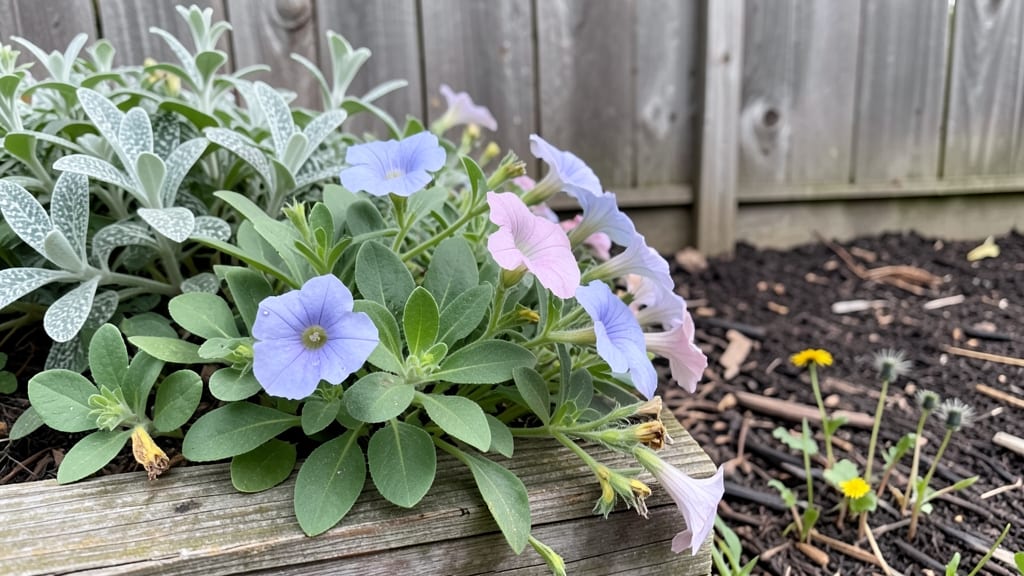
Letting your pet in the garden requires careful planning to protect both plants and pets, as common landscaping choices like azaleas, lilies, and sago palms are toxic, while soil-borne parasites and sharp tools pose physical risks. Always research pet-safe flora, supervise outdoor time, and check for pests or hazards before allowing access.
Before giving your furry friend free rein of your garden, it's essential to understand the hidden dangers lurking among your plants. 🌿 Many ornamental flowers and shrubs—like foxglove, oleander, and even common mushrooms—can cause severe illness if ingested, while fertilizers and pesticides may contain chemicals that irritate skin or cause respiratory issues.
Even seemingly harmless soil can harbor parasites like hookworms, which pets might pick up while digging. The key is to transform your outdoor space into a safe haven by replacing toxic plants with pet-friendly alternatives and creating physical barriers to restrict access to high-risk areas.
Start by identifying which plants in your garden are dangerous—some, like lilies, are toxic even in small amounts, while others may cause only mild stomach upset. 🐾 A quick online search or consultation with your vet can provide a list of safe options, such as sunflowers, marigolds, or catnip.
Additionally, consider installing secure fencing or raised beds to limit your pet's access to off-limits areas, and always supervise their time outside until you're confident the space is fully pet-proofed.
💡 In This Article
- Toxic Plants and Garden Hazards for Pets
- Creating a Pet-Friendly Garden Design
Toxic plants and garden hazards for pets
Some garden plants contain natural toxins that can cause severe reactions in pets. For example, foxglove contains cardiac glycosides that disrupt heart rhythms, while oleander leaves and stems produce deadly cardiac glycosides and saponins. Even common mushrooms can be deadly—death cap mushrooms contain amatoxins that destroy liver cells.
The key danger is ingestion, where toxins are absorbed through the digestive tract, often causing symptoms within 30 minutes to 24 hours depending on the plant.
Garden chemicals like fertilizers and pesticides pose additional risks. Organophosphate pesticides disrupt nerve signals, leading to muscle tremors and seizures, while fertilizers with high nitrogen content can cause chemical burns on paws or skin.
Even mulch can be hazardous—cocoa bean mulch contains theobromine, a stimulant toxic to dogs in amounts as small as 0.5 ounces per pound of body weight.
The most vulnerable pets are small dogs and cats, whose lower body weight makes them more susceptible to poisoning from even small exposures.
Watch for these warning signs after exposure: excessive drooling, vomiting, diarrhea, lethargy, or seizures. Lilies, for instance, can cause kidney failure in cats within 6-12 hours of ingestion, while sago palms affect dogs by damaging the liver and causing neurological symptoms.
The severity depends on the plant type, amount ingested, and your pet's size—always contact your vet immediately if you suspect poisoning, even if symptoms seem mild.
Beyond plants, garden tools and soil-borne parasites add risks. Hookworms and roundworms lurk in soil, transmitting through paw contact. Sharp garden tools left unattended can cause cuts, while compost piles may harbor E. coli or fungi.
The best defense is prevention: keep toxic plants out of reach, store chemicals securely, and regularly inspect your garden for hazards before allowing pets unsupervised access.
Here's what happens biologically when pets ingest toxic plants: toxins like glycosides bind to cell receptors, disrupting normal function. For example, foxglove's digitalis affects sodium-potassium pumps in heart cells, while oleander's saponins create toxic bubbles in the gut lining.
These mechanisms explain why symptoms progress rapidly—your pet's body struggles to process the foreign compounds, leading to organ stress.
For immediate action, have your vet's phone number handy and know the ASPCA Poison Control Center's emergency line. Keep a list of toxic plants in your garden and train pets to avoid digging near mulch or compost.
With these precautions, you can create a safe outdoor space where both your plants and pets thrive.