
Tools
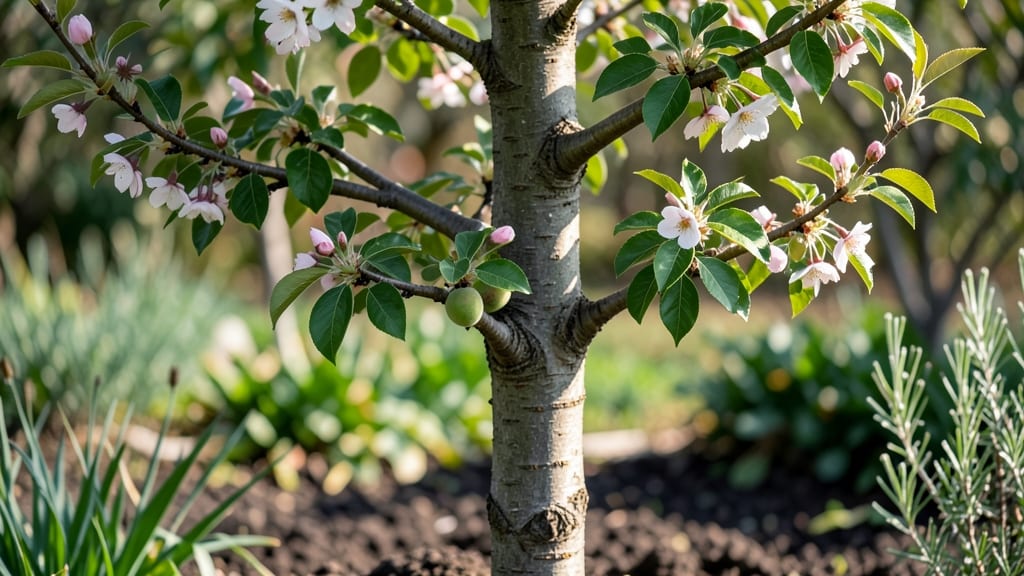
Creating a peach garden in Singapore isn’t about real peach trees—it’s about crafting a dreamy, sun-drenched retreat where every plant whispers "summer forever." 🌸 The key? Blending tropical-friendly blooms in soft peach, coral, and gold hues that thrive in our heat and humidity while demanding almost no fuss.
My first attempt used ornamental cherries, hibiscus, and bougainvillea—now my patio feels like a perpetual sunset.
You’ll need just three things to pull this off: drought-tolerant plants that love Singapore’s sun, containers or raised beds for easy control, and a color palette that keeps everything cohesive without trying too hard.
Think frangipani in blush tones, fire bush for pops of coral, and even peach-colored caladiums for shade spots. The best part? These plants handle our sudden downpours and high temps like pros.
By mid-year, you’ll have a garden that looks like it belongs in a storybook—velvety petals, scented blooms, and lush foliage that changes with the seasons.
The fire bush alone gives you year-round color, while the frangipani’s fragrance turns every evening into a mini-vacation. Plus, you’ll attract butterflies and hummingbirds without even trying.
This design works for balconies, courtyards, or even small yards—just swap out a few plants for shade-loving options if your space gets afternoon sun. The secret? Less is more: let the peach tones shine while keeping the rest of the palette simple. Now, let’s pick your first plants!
📚 In This Guide
- What you need
- Instructions
- Tips and common mistakes
- Wrapping up and next steps
What you need
- ● Peach Tree Varieties: Choose disease-resistant types like Flordaprince or Springcrest (2-3 trees for cross-pollination).
- ● Quality Potting Soil: 10-15 bags (20L each) of well-draining, organic-rich mix (e.g., Miracle-Gro Garden Soil).
- ● Compost: 5-10 bags (20L each) for nutrient boost.
- ● Slow-Release Fertilizer: 1 bag (10-20 lbs) of Osmocote Smart-Release (14-15-12 NPK).
- ● Mulch: 5-10 bags (1 cubic yard) of wood chips or straw to retain moisture.
- ● Garden Trowel & Shovel: 1 each (ergonomic handles preferred).
- ● Pruning Shears: 1 pair (bypass blades for clean cuts).
- ● Watering Can/Hose: 1 with adjustable nozzle (or drip irrigation kit).
- ● Garden Gloves: 1 pair (nitrile-coated for durability).
- ● pH Test Kit: 1 (to check soil acidity, ideal: 6.0-6.5).
- ● Support Stakes: 4-6 (5-6 ft tall) for young trees.
- ● Decorative Trellis: 1-2 (for climbing peach varieties or aesthetic appeal).
- ● Birdhouses/Feeders: To deter pests naturally.
- ● Garden Lights: Solar-powered string lights for evening ambiance.
- ● Peach Tree Spray: Organic copper fungicide (prevents brown rot).
- ● Companion Plants: Lavender or marigolds (repel insects).
Step-by-Step instructions for creating a whimsical peach garden canopy
Here's how to craft a dreamy, ever-blooming peach garden that thrives year-round with minimal fuss.
🌱 Step 1: Select and Prepare Your Peach Varieties
Choose 4 dwarf peach trees suited for your climate, ideally self-pollinating varieties like 'Bonanza' or 'Redhaven'. These compact trees fit perfectly in small spaces while still producing abundant fruit. I always plant them in a slightly raised mound of soil—this improves drainage and prevents root rot, especially in humid climates like Singapore.
Before planting, prune any dead or crossing branches with clean, sharp pruners. Remove about one-third of the canopy to encourage airflow and sunlight penetration. This step is critical—it sets the foundation for healthy growth and prevents fungal diseases that thrive in dense foliage.
🪴 Step 2: Plant Trees in Well-Draining Soil
Dig holes twice as wide as the root balls but only as deep as the containers they came in. Amend the native soil with 2 gallons of compost and 1 cup of balanced organic fertilizer (10-10-10) to give your trees a nutrient boost right from the start. Mix this thoroughly into the hole to create a rich planting medium.
Place each tree in its hole, ensuring the graft union (the bump where the tree was grafted) sits 2-3 inches above soil level. This prevents water from pooling around the graft, which can cause it to rot. Backfill with the amended soil, pressing gently to remove air pockets but not compacting too tightly.
☀️ Step 3: Position for Sunlight and Wind Protection
Peach trees need at least 6-8 hours of direct sunlight daily to produce fruit and bloom reliably. In Singapore’s climate, I position mine where they get morning sun and afternoon shade—this prevents leaf scorch while still ensuring plenty of light for photosynthesis.
If your garden is exposed to strong winds, create a windbreak using bamboo stakes or a lattice trellis. Wind stress weakens trees, making them more susceptible to pests and disease. I also install drip irrigation right away to deliver 1-2 inches of water weekly, keeping the soil consistently moist but never soggy.
🌿 Step 4: Mulch and Prune for Year-Round Beauty
Spread 3 inches of organic mulch (like wood chips or straw) around the base of each tree, keeping it 6 inches away from the trunk to prevent moisture buildup. This mulch layer retains soil moisture, suppresses weeds, and regulates temperature—critical in Singapore’s hot, humid climate. Replenish it annually as it breaks down.
Prune lightly in late winter (just before buds swell) to shape the canopy and remove any dead or diseased wood. I focus on opening the center of the tree to improve airflow and sunlight penetration. Avoid heavy pruning—peach trees produce fruit on last year’s growth, so aggressive cuts reduce next year’s harvest.
⏰ Step 5: Maintain Through Seasons for Continuous Bloom
Fertilize twice a year: once in early spring with a high-nitrogen fertilizer to encourage leaf growth, and again in late summer with a low-nitrogen, high-phosphorus blend to support flowering and fruiting. In Singapore’s warm climate, peach trees can bloom year-round, so I monitor them closely for signs of stress or pests.
Watch for peach tree borers or aphids—common pests in tropical climates. I treat infestations immediately with neem oil spray, which is safe for edible trees and effective against soft-bodied insects. With consistent care, your peach garden will reward you with blossoms, fruit, and lush foliage all year long.
Tips & tricks for perfect peach garden canopy
Creating a whimsical peach garden that blooms year-round takes thoughtful planning—here are the game-changing strategies I’ve perfected for Singapore’s unique climate.
Tree Selection Wisdom: In Step 1, don’t overlook the importance of choosing disease-resistant varieties like 'Bonanza' or 'Redhaven'—they’re specifically bred to handle Singapore’s humidity and heat. I also recommend selecting trees with a slightly open canopy from the start, as this reduces the need for aggressive pruning later. Pro tip: Look for trees labeled "dwarf" but verify their mature height—some "dwarf" varieties still reach 12 feet, while true compact varieties stay under 8 feet. This ensures they’ll fit perfectly in your space without requiring constant pruning.
Soil Preparation Secret: When amending the soil in Step 2, go beyond the basic 2 gallons of compost. In Singapore’s heavy clay soils, I mix in 1 part perlite or coarse sand to every 3 parts compost—this creates the perfect drainage while maintaining moisture. The key is to create a loose, airy medium that mimics the natural forest floor peach trees thrive in. Don’t compact the soil when backfilling—gently firm it with your hands to eliminate air pockets without crushing the roots.
Sunlight Strategy for Singapore: The 6-8 hours of direct sunlight mentioned in Step 3 is non-negotiable, but here’s how to optimize it: Position your trees to capture morning sunlight (which is less intense) and provide afternoon shade using lightweight fabric shades or fast-growing vines. This balance prevents leaf scorch while still ensuring photosynthesis. I’ve found that planting near existing structures or taller plants creates natural shade that works beautifully. For urban gardens, consider reflective surfaces like light-colored walls or water features to maximize light exposure.
Pruning Precision: In Step 4, when you prune in late winter, focus on creating an open vase shape rather than just removing dead wood. This allows sunlight to penetrate to the center where fruit develops. I use a 3-cut method: first cut just outside the branch collar, then make a second cut to remove the main branch, and finally a third cut to clean up. This technique promotes faster healing and reduces disease risk. Remember, peach trees bloom on last year’s growth, so avoid cutting back more than one-third of the canopy in any single year.
Pro Tips for Peach Garden Sg
- Creating a whimsical peach garden that blooms year-round takes thoughtful planning—here are the game-changing strategies I’ve perfected for Singapore’s unique climate.
- Tree Selection Wisdom: In Step 1, don’t overlook the importance of choosing disease-resistant varieties like 'Bonanza' or 'Redhaven'—they’re specifically bred to handle Singapore’s humidity and heat.
- Soil Preparation Secret: When amending the soil in Step 2, go beyond the basic 2 gallons of compost.
Frequently asked questions
What’s the best time of year to plant peach trees in Singapore’s climate?
Plant peach trees during Singapore’s dry season (February–April) for optimal root growth. Avoid the rainy season (November–January) to prevent waterlogging. Everbearing varieties (like Peach Garden SG’s hybrids) can also be planted in June–July for a mid-year harvest!
Do I need to prune peach trees, and how often?
Yes! Prune in late winter (February) to shape the tree, remove dead branches, and improve airflow. Light trimming after harvest (June–July) encourages new blooms. Pro tip: Use sterilized tools to prevent disease!
How do I protect peach trees from Singapore’s heat and humidity?
Provide partial shade (30–50%) during peak sun (10 AM–2 PM) and mulch with organic matter to retain moisture. Drip irrigation (not overhead) prevents fungal issues. Bonus: Mist leaves in extreme heat to mimic natural humidity!
Why aren’t my peach trees fruiting, even though they bloom?
Common culprits: lack of pollinators (hand-pollinate with a brush), nutrient deficiency (add citrus-specific fertilizer), or over-pruning. Check for pests (aphids, mites) and ensure consistent watering—peaches need 1–1.5 inches/week!
Can I grow peaches in containers, or do I need a garden?
Use a 5-gallon+ pot with drainage holes and well-draining soil. Dwarf varieties (like Peach Garden SG’s compact hybrids) thrive in containers. Just rotate pots every few weeks for even sunlight exposure!
Wrapping up and next steps
Creating your own Peach Garden SG is a rewarding journey that brings vibrant colors and natural beauty to your space—no green thumb required! 🌸 From selecting the right materials to nurturing your plants, every step is an opportunity to connect with nature and craft something truly unique.
Whether you’re a seasoned gardener or a beginner, this whimsical canopy is a project that blooms with joy and creativity.
Ready to transform your space? Start small—pick a corner, gather your supplies, and let your imagination grow! 🌱 With patience and care, your Peach Garden SG will flourish into a year-round sanctuary of charm and tranquility. Happy gardening!