
Tools
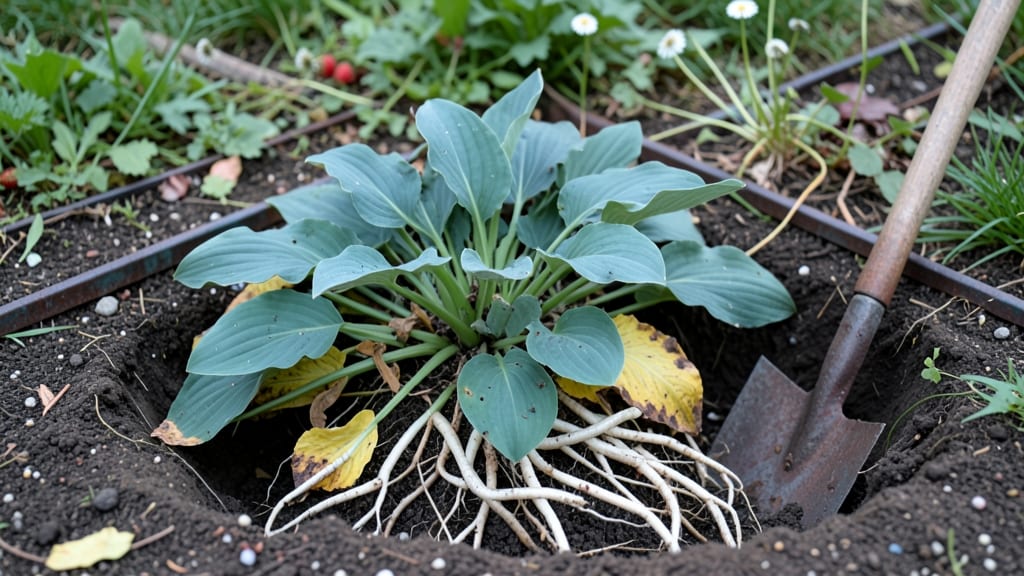
A parterre garden plan transforms your yard into a masterpiece of French elegance. ✨ I fell in love with this style after seeing how crisp hedges and symmetrical borders turned a simple garden into a showstopper. The key isn't perfection—it's the structured yet artistic balance that makes it timeless.
This design works in any size space, from grand estates to small urban yards. Start with a central path or focal point, then layer plants in geometric shapes—think boxwood squares, lavender rectangles, or rosemary circles.
The soil needs to be rich and well-draining, so amend with compost before planting. For climates with harsh winters, opt for cold-hardy plants like boxwood or dwarf conifers.
You'll end up with borders that look like they belong in a Versailles palace, but with a modern twist. The symmetry creates visual harmony, while seasonal blooms keep it lively.
Maintenance is straightforward—just trim hedges regularly and replace annuals as they fade. The payoff? A garden that feels like a curated art piece every time you walk through it.
Whether you're going classic with formal hedges or modern with mixed heights and textures, the principles stay the same. Here's how to adapt the look to your space and climate without sacrificing that signature French flair.
📚 In This Guide
- What you need
- Instructions
- Tips and common mistakes
- Wrapping up and next steps
What you need
- ● Soil & Amendments: Topsoil (2–3 cubic yards, depending on garden size)
- ● Compost (1–2 bags, for nutrient-rich soil)
- ○ Sand (optional, for drainage in heavy clay soil)
- ● Plants & Mulch: Perennials, annuals, or shrubs (quantities vary by design—check your layout plan!)
- ● Mulch (2–3 bags, shredded bark or gravel for a polished look)
- ● Edging & Structure: Low boxwood hedges, yew, or ornamental grasses (for formal borders)
- ● Paver stones or bricks (for pathways or geometric borders, if desired)
- ● Tools: Garden trowel & spade
- ● Wheelbarrow (for soil transport)
- ● Rake (for leveling soil)
- ● Measuring tape & string (for marking symmetrical lines)
- ● Pruners & shears (for shaping plants)
- ● Garden hose (with nozzle for watering)
- ● A well-drained, levelled plot (French parterres thrive on symmetry—measure twice, dig once!)
- ● Sunlight assessment (most designs need 6+ hours of sun)
- ● Water access (for consistent hydration)
- ○ Optional but recommended: Garden gloves (for comfort)
- ● Knee pads (for long planting sessions)
- ● Decorative garden flags or stakes (to mark plant placements)
Step-by-Step instructions for designing French-inspired parterre gardens
Here’s how to create a classic parterre border with precise symmetry and timeless elegance.
🪴 Step 1: Choose and Prepare the Garden Space
Select a rectangular or square area with clear, straight edges—parterres thrive on geometric precision. I like to start with a 4-foot-wide by 8-foot-long plot for a balanced look, but adjust to fit your space. Clear all weeds and grass, then mark the boundaries with stakes and string to ensure perfect straight lines. This is the foundation of your design, so take your time here.
Dig the area to a depth of 6-8 inches, loosening the soil thoroughly. Amend with 2-3 inches of compost mixed into the top 6 inches of soil to improve drainage and fertility. Parterres often sit slightly raised, so consider adding a 1-inch layer of gravel at the base if your soil drains poorly. This prevents waterlogging, which can ruin delicate plants.
☀️ Step 2: Plan the Symmetrical Layout
Sketch your design on paper first—parterres rely on formal symmetry, so divide your plot into equal sections. For a classic look, I use three main sections: a central path or border flanked by two mirrored plant beds. Outline these with low boxwood hedges or lavender, which hold their shape well and add structure. Measure carefully—24-inch spacing between plants ensures they fill in neatly without overcrowding.
Incorporate geometric shapes like circles, triangles, or diamonds within the beds for visual interest. For example, a 6-inch-diameter circle of creeping thyme in the center of each section creates a striking focal point. Label your sketch with plant names and spacing to avoid mistakes during installation. This step is where your parterre’s elegance truly begins to take shape.
🌱 Step 3: Plant in Layers for Depth and Texture
Start with tall plants (like roses or hollyhocks) at the back, then add medium-height shrubs (such as hydrangeas or boxwood) in the middle, and finish with low-growing perennials (like lavender or sedum) at the front. I always plant in odd-numbered groups—three, five, or seven plants per section—for a natural yet structured look. Space them 12-18 inches apart, depending on their mature size.
Use mulch (like cypress or pine straw) to suppress weeds and retain moisture, but keep it 2 inches away from plant stems to prevent rot. Water deeply after planting to settle the soil, and avoid stepping on the beds until plants are established. This layering creates a sense of movement and depth, which is key to a parterre’s refined appearance.
✂️ Step 4: Maintain with Precision Pruning
Parterres demand regular pruning to keep their shape. Trim boxwood hedges twice a year—once in early summer and again in late summer—to encourage dense, bushy growth. Use sharp shears and cut just above a leaf node to avoid damaging the plant. For flowering plants, deadhead spent blooms weekly to prolong their season and maintain a tidy look.
Check for weeds weekly, especially in the first few months, as they can quickly disrupt the symmetry. I like to use a hand weeder for precision—parterres are too formal for broad-spectrum herbicides. Keep the mulch layer 2-3 inches thick and replenish it annually to protect the soil and enhance the garden’s polished appearance.
🌿 Step 5: Add Finishing Touches for Elegance
Incorporate ornamental grasses (like maiden grass or fountain grass) for softness and texture, placing them in clusters of three along the edges. Add gravestones or low edging (such as brick or metal) to define the borders sharply. I often include a small fountain or statue at the center of larger parterres to elevate the design. These elements tie the garden together and create a cohesive, French-inspired aesthetic.
Finally, light the garden at night with solar-powered path lights or low-voltage landscape lighting to highlight the symmetry. This step transforms your parterre into a stunning feature, especially in the evening. A well-lit garden feels inviting and showcases the meticulous work you’ve put into its design.
Tips & tricks for perfect parterre garden designs
These little details make all the difference between a charming garden border and a showstopping French-inspired masterpiece.
Precision Starts with the Foundation: When marking your 4-foot-wide by 8-foot-long plot in Step 1, use a level to ensure your stakes and string create perfectly straight lines. I learned this the hard way—crooked edges ruin the symmetry no matter how beautifully you plant. For extra precision, hammer in stakes at every 2-foot interval along the perimeter. This creates a foolproof guide for your digging and planting. The French approach to parterres demands this level of attention to detail right from the beginning.
Soil Prep Secrets: Don't skip the 1-inch gravel layer at the base if your soil drains poorly—this is especially critical in clay-heavy soils. I've seen beautiful parterres ruined by waterlogged roots. After adding your 2-3 inches of compost, mix in a handful of sand if your soil feels compacted. This creates better aeration for delicate plants like lavender and sedum that you'll use in Step 3. Think of it as building a tiny elevated bed that protects your plants from the elements.
Symmetry Shortcut: For Step 2's symmetrical layout, fold your design sketch in half—if both sides match perfectly, you're golden. I use graph paper to sketch my parterre first, with each square representing 6 inches. This visual approach helps me visualize the 24-inch spacing between plants before I even break ground. Pro tip: Use a mirror to check your symmetry as you plant—it's the fastest way to spot mistakes before they become permanent.
Planting Layer Strategy: When creating your layered look in Step 3, plant your tallest elements first—this prevents you from accidentally damaging smaller plants behind them. I like to use a small garden flag for each plant, marking where it should go before digging. This keeps me from accidentally planting roses where lavender should be. Remember that odd-numbered groups (three, five, or seven) create that natural-but-structured look that defines French parterres.
Pro Tips for Parterre Garden Plans
- These little details make all the difference between a charming garden border and a showstopping French-inspired masterpiece.
- Precision Starts with the Foundation: When marking your 4-foot-wide by 8-foot-long plot in Step 1, use a level to ensure your stakes and string create perfectly straight lines.
- Soil Prep Secrets: Don't skip the 1-inch gravel layer at the base if your soil drains poorly—this is especially critical in clay-heavy soils.
Frequently asked questions
Got questions about designing a stunning parterre garden? You’re not alone! Here are answers to the most common queries to help you create a flawless, French-inspired border with confidence.
What’s the best time of year to plant a parterre garden?
The ideal time depends on your climate, but spring or early fall is best for most regions. Spring allows plants to establish roots before summer heat, while fall planting gives them time to grow before winter dormancy. In warmer climates, avoid planting during peak summer—opt for cooler months to reduce stress on plants.
How do I choose the right plants for a parterre garden?
Select plants based on height, color, and texture to create visual layers. Start with tall perennials or shrubs at the back, mid-height plants in the middle, and low-growing annuals or ground covers at the front. French parterres often feature boxwood, lavender, roses, and ornamental grasses for structure and elegance.
Are parterre gardens expensive to maintain?
Initial costs can be higher due to precise edging, mulch, and quality plants, but long-term upkeep is manageable. Mulching annually, pruning regularly, and choosing low-maintenance perennials can cut costs. Reusing soil and dividing mature plants also helps keep expenses down while preserving symmetry.
What if my soil isn’t ideal for a parterre garden?
Don’t worry—amend your soil with compost, sand, or organic matter to improve drainage and fertility. Raised beds are another great option if your soil is too heavy or clay-like. French parterres thrive in well-draining soil, so a little prep goes a long way!
How do I fix uneven edges in my parterre?
Uneven edges are a common issue, but they’re easy to fix! Use a string line and edging tool to trim back overgrowth, then replant with low-spreading perennials or boxwood. For a polished look, consider metal or stone edging to keep the shape crisp. A little patience and precision will restore that classic French flair!
Wrapping up and next steps
Creating a parterre garden is all about embracing French-inspired elegance and symmetry—turning your outdoor space into a breathtaking masterpiece. With the right plants, tools, and design tips, you can craft a timeless border that wows visitors and brings you joy.
Whether you’re a seasoned gardener or just starting, the key is patience and creativity!
Ready to dive in? Start small—sketch your design, gather your materials, and take the first step toward your dream garden. Bon courage! 🌸✨