
Tools
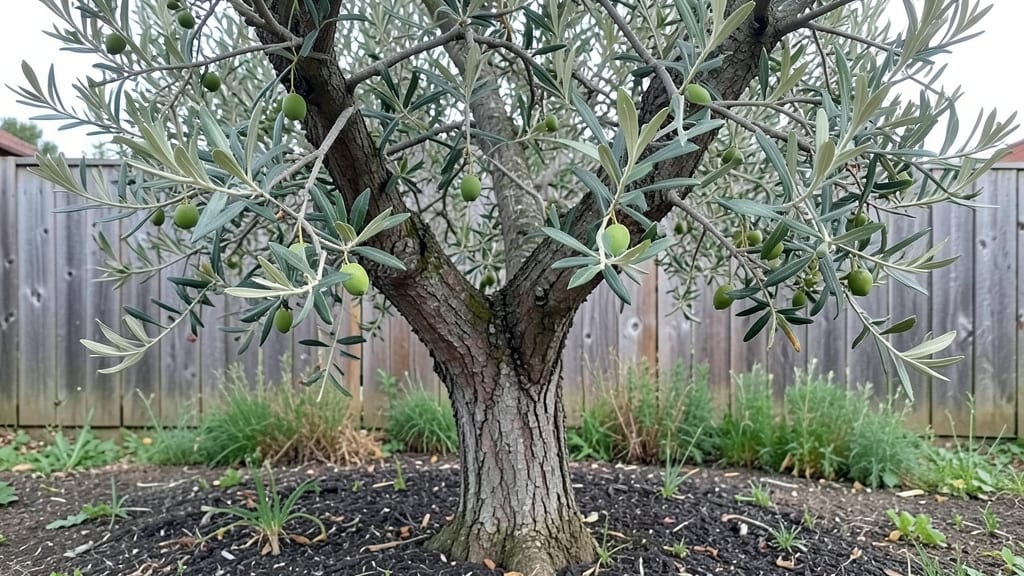
Designing an olive tree garden brings Mediterranean charm straight to your backyard, even if you're not in California or Spain. 🌿 I've turned my small yard into a fragrant, evergreen retreat by blending olive trees with drought-tolerant plants and textured hardscaping—it's the kind of space that feels like a vacation every time I walk through it.
The secret isn't just the trees themselves—it's how you stage them. Start with 3-5 foot spacing between standard olives (dwarf varieties can go closer) and pair them with lavender, rosemary, and low-growing thyme to create that signature Mediterranean look.
The soil mix should drain like a dream: 60% native soil, 30% coarse sand, and 10% compost works wonders, and a 12-inch layer of mulch keeps moisture where it belongs.
What you'll end up with is a garden that stays lush through summer droughts and winter freezes (down to 15°F for most varieties). The silvery-green foliage contrasts beautifully with purple blooms and warm stone pathways, while the occasional harvest of olives adds that extra touch of satisfaction.
Plus, the scent—earthy, slightly briny—lingers in the air long after you've walked away.
This design works for sunny courtyards, sloped hillsides, or even large containers on patios. The key is matching your olive varieties to your climate zone and giving them room to grow into their mature shapes. Let's get your Mediterranean haven planned!"
📚 In This Guide
- What you need
- Instructions
- Tips and common mistakes
- Wrapping up and next steps
What you need
- ● Olive tree saplings: 3–5 Olea europaea varieties (e.g., Arbequina, Manzanillo, or Frantoio) for diversity. Choose 1–2-year-old nursery-grown plants.
- ● Well-draining soil: 5–10 cubic yards of a mix of 60% native soil, 30% coarse sand, and 10% compost. Test soil pH (ideal: 6.0–8.0).
- ● Organic mulch: 2–3 cubic yards of wood chips or straw to retain moisture and suppress weeds.
- ● Drip irrigation system: 50–100 ft of ½-inch tubing, emitters (0.5–1 GPH), and a timer controller for efficiency.
- ● Support stakes: 3–5 2-inch diameter bamboo or metal stakes (6 ft long) per tree for young saplings.
- ● Pruning tools: 1 bypass pruners (for small branches)
- ● 1 felco pruner (for thicker branches)
- ● 1 pruning saw (for large limbs)
- ● Hand trowel & shovel (for planting and soil prep)
- ● Wheelbarrow (for transporting soil/mulch)
- ● Garden hose with spray nozzle (for watering)
- ○ Soil pH test kit (optional but recommended)
- ● Measuring tape & gloves (safety first!)
- ● Arbor or trellis: For climbing varieties like Olea europaea ‘Azuaje’ (adds vertical interest!).
- ● Windbreak: Burlap or lattice screens to protect young trees in exposed areas.
- ● Decorative stones or gravel: 1–2 bags of pebbles or flagstone for pathways or borders.
- ● Fertilizer: Citrus-specific or low-nitrogen fertilizer (e.g., 6-6-6 ratio) for established trees.
- ● Bird deterrents: Reflective tape or netting if local birds love your olives!
Step-by-Step instructions for designing a Mediterranean olive tree garden
Create a timeless, drought-resistant landscape that thrives year-round with these strategic planting and design principles.
🌱 Step 1: Select and Prepare the Planting Sites
Olive trees (Olea europaea) demand well-draining soil and full sun exposure to thrive. Choose a location that receives at least 6-8 hours of direct sunlight daily—partial shade will stunt growth and reduce fruit production. I always test the soil first by digging a 12-inch hole and observing drainage; if water pools after 30 minutes, amend the site with 3 inches of coarse sand or gravel to improve aeration.
For 4 mature olive trees, space planting sites 15-20 feet apart to allow ample root spread and airflow. Mark each location with a stake to avoid confusion during the transplanting process. The Mediterranean climate these trees love means they’re drought-tolerant once established, but young trees need consistent moisture during their first year.
☀️ Step 2: Amend Soil for Optimal Growth Conditions
Olives prefer lean, slightly alkaline soil with a pH between 7.5-8.5. Test your soil’s pH using a kit, and adjust by adding dolomitic lime if needed—follow package instructions for your specific soil type. I blend 3 cubic yards of native soil with 1 cubic yard of coarse sand and 1 cubic yard of compost for each planting site to create a well-draining, nutrient-rich mix.
Spread the amended soil evenly in the planting hole, creating a mound in the center. This encourages roots to grow downward rather than circling, which prevents girdling—a common issue in container-grown trees. Water the mound thoroughly before planting to settle the soil and eliminate air pockets.
🪴 Step 3: Plant Olive Trees with Proper Spacing and Support
Dig a hole twice as wide as the root ball but no deeper—planting too low can suffocate roots and cause rot. Gently remove the tree from its container and loosen any circling roots with your fingers. Place the tree on the mound so the top of the root ball sits 1-2 inches above ground level; olives hate wet roots and may rot if buried too deeply.
Backfill the hole with the amended soil mix, tamping lightly as you go to remove air gaps. Create a 2-inch deep basin around the base to direct water toward the roots. Install a stake for young trees to provide stability, securing it with a soft tie (like a piece of old fabric) to avoid damaging the trunk as it grows.
💧 Step 4: Establish a Watering and Mulching Routine
Water deeply 2-3 times per week during the first year to encourage deep root growth, applying 10-15 gallons per tree each time. After the first year, reduce watering to once every 2-3 weeks unless your region experiences prolonged drought. I always water in the early morning to minimize evaporation and fungal risks. Let the top 3-4 inches of soil dry out between waterings—this mimics the Mediterranean climate olives evolved in.
Apply a 3-inch layer of wood chips or gravel mulch around each tree, keeping it 6 inches away from the trunk to prevent rot. Mulch conserves moisture, regulates soil temperature, and suppresses weeds. Replenish mulch annually to maintain its protective benefits, especially in windy or hot climates where it breaks down quickly.
✂️ Step 5: Prune for Shape and Health Year-Round
Prune olive trees lightly in late winter (before new growth begins) to remove dead, diseased, or crossing branches. I focus on open-center shaping, allowing sunlight to penetrate the canopy—this prevents fungal issues and encourages fruit production. Use clean, sharp pruners and make cuts just outside the branch collar to promote rapid healing.
For young trees, prune to encourage a strong central leader and remove any suckers growing from the base. Mature trees benefit from light annual pruning to maintain their natural silhouette. Avoid heavy pruning; olives respond poorly to drastic cuts and may take years to recover. Harvest fruit in late fall once it turns black and slightly purple, leaving some to ripen on the tree for next year’s crop.
Tips & tricks for perfect olive tree garden design
Designing a thriving Mediterranean olive tree garden requires attention to detail that pays off in years of elegant, drought-resistant beauty. Here are the key strategies that'll help you avoid common pitfalls and create a landscape that truly thrives.
Site Selection Secrets: The 6-8 hours of direct sunlight requirement isn't just about daytime exposure—it's about consistent sun throughout the growing season. I always check potential sites at both solstices (summer and winter) to ensure light patterns remain constant. In urban areas with limited space, consider vertical planting on trellises or espalier techniques for smaller olive varieties. The 12-inch drainage test in Step 1 is non-negotiable: I've seen olive trees fail within months when planted in poorly draining soil that wasn't properly amended.
Soil Science That Matters: That 30-minute water pooling test reveals more than just drainage—it tells you about soil texture and compaction. For the soil mix in Step 2, I recommend using coarse sand rather than fine sand, as it improves aeration without compacting. The mound technique isn't just about root guidance; it creates a natural water catchment system that prevents erosion during heavy rains. And remember: olives hate wet feet, so that 1-2 inch elevation above ground level is crucial for preventing root rot.
Planting Precision: The 15-20 feet spacing between trees might seem generous, but it's essential for proper airflow and future harvest access. I've found that using a string line between stakes helps maintain perfect spacing when planting multiple trees. For the 2-inch deep basin around each tree, consider using a garden rake to create gentle slopes that direct water toward the roots rather than pooling away from them. This simple technique can make the difference between thriving trees and struggling ones.
Long-Term Maintenance Strategy: The 2-3 times weekly watering schedule during the first year might seem intensive, but it's critical for establishing deep root systems. I recommend using a rain gauge to monitor actual precipitation—you might be able to reduce watering if your area gets regular rainfall. For mulching, I prefer gravel over wood chips in hot climates because it reflects sunlight and reduces soil temperature fluctuations. The 6-inch clearance from the trunk prevents moisture buildup that can lead to fungal diseases.
Pro Tips for Olive Tree Garden
- Designing a thriving Mediterranean olive tree garden requires attention to detail that pays off in years of elegant, drought-resistant beauty.
- Site Selection Secrets: The 6-8 hours of direct sunlight requirement isn't just about daytime exposure—it's about consistent sun throughout the growing season.
- Soil Science That Matters: That 30-minute water pooling test reveals more than just drainage—it tells you about soil texture and compaction.
Frequently asked questions
Got questions about creating your own olive tree garden? You’re not alone! Here are some of the most common queries—plus quick, practical answers to help you design a thriving Mediterranean oasis.
How much space do I need for an olive tree garden?
Olive trees thrive with plenty of space—aim for at least 15–20 feet between mature trees (they can grow 20–40 feet tall!). For smaller varieties, 10–15 feet works. If space is limited, consider dwarf or container-friendly cultivars like ‘Arbequina’ or ‘Little Ollie.’
How long does it take for olive trees to bear fruit?
Patience is key! Most olive trees take 3–5 years to produce fruit, though some dwarf varieties may fruit in 2–3 years with proper care. Pruning, sunlight, and soil health speed up the process—but don’t rush it; young trees need time to establish roots.
Can I grow olive trees in cold climates?
Olive trees are hardy to USDA Zones 8–10, but with clever tricks, you can grow them in cooler areas. Use container gardening (move pots indoors in winter) or plant near south-facing walls for extra warmth. Cold-hardy varieties like ‘Frantoio’ or ‘Manzanillo’ tolerate brief dips to 15°F.
How often should I water my olive trees?
Olive trees are drought-tolerant once established, but young trees need deep watering 1–2 times per week (more in extreme heat). Mature trees thrive on every 2–3 weeks, but avoid soggy soil—they hate "wet feet." Mulch helps retain moisture and regulate temperature.
What are some low-maintenance alternatives to traditional olive trees?
If you love the look but not the upkeep, try these olive-tree doppelgängers:
- Bay laurel (fragrant, shade-tolerant, edible leaves)
- Pittosporum (evergreen, drought-resistant, glossy foliage)
- Dwarf citrus (like ‘Calamondin’) (compact, ornamental, and productive)
- Rosemary or lavender (herbs that mimic Mediterranean vibes with zero fuss)
Bonus: These plants attract pollinators and repel pests—win-win!
Wrapping up and next steps
Creating your own olive tree garden is a rewarding journey that blends beauty, sustainability, and timeless Mediterranean charm. Whether you're drawn to the lush greenery, the promise of fresh olives, or the serene ambiance, this space will thrive with the right care and vision.
Now that you’re armed with the essentials—from soil prep to pruning tips—it’s time to roll up your sleeves and turn your dream into reality.
Ready to plant the first seed? Start small—choose a single tree or a cluster—and watch your garden grow into a fragrant, evergreen haven. Your olive tree garden isn’t just a project; it’s a legacy. Happy gardening! 🌿✨