
Tools
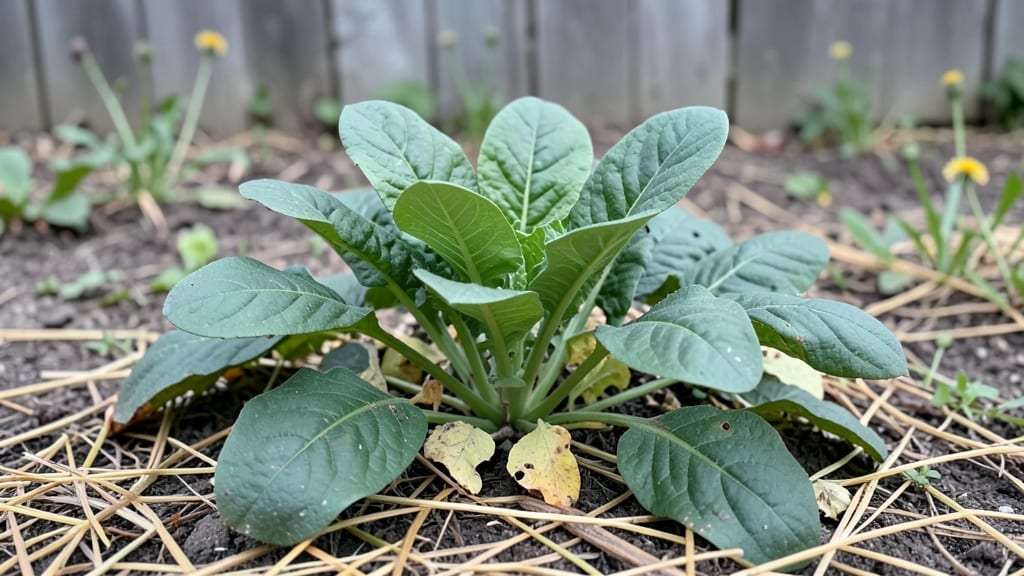
Mustard greens in your garden mean fast harvests—sometimes in as little as 30 days—with bold, peppery flavor that outshines store-bought options every time. 🌱 I grew my first patch last spring and was shocked by how quickly those deep green leaves filled my plate, even in a small space.
The secret isn’t complicated: these greens thrive in cool weather, tolerate light frosts, and grow aggressively when given the right conditions.
You only need sunny soil, regular water, and a little patience to unlock their potential. Mustard greens handle both direct sowing and transplants, making them perfect for beginners or busy gardeners.
They’re also disease-resistant, so you won’t waste time battling pests like aphids or cabbage worms. The key is keeping the soil moist but not soggy—these plants drink up water like sponges.
By mid-season, you’ll be harvesting pounds of greens—enough for stir-fries, salads, or freezing for winter. The leaves keep coming back if you cut them properly, so one planting can feed you for months. Even if you’ve never grown greens before, mustard greens forgive mistakes better than most.
Works in spring, fall, and even winter in mild climates, so you’ll never run out of fresh greens. Let’s get those seeds in the ground—your kitchen will thank you.
📚 In This Guide
- What you need
- Instructions
- Tips and common mistakes
- Wrapping up and next steps
What you need
- ● Seeds: 1–2 packets of mustard green seeds (choose varieties like 'Southern Giant Curled' or 'Tendergreen' for bold flavor).
- ● Soil: 10–15 lbs of well-draining, nutrient-rich garden soil (pH 6.0–7.0) or a high-quality potting mix for containers.
- ● Containers or Garden Space: For in-ground planting: 6–12 inches of loose, tilled soil per plant (space 12–18 inches apart).
- ● For containers: 5–7 gallon pots with drainage holes (1–2 plants per container).
- ● Watering Can or Hose: With a gentle spray nozzle for even moisture.
- ● Fertilizer: Balanced organic fertilizer (10-10-10) or compost (1 cup per 5 sq ft of soil).
- ○ Mulch (optional but recommended): Straw or shredded leaves to retain moisture and suppress weeds.
- ● Hand trowel or transplanting spade for precision planting.
- ● Pruners or sharp scissors for harvesting.
- ● Row cover or shade cloth (30–50%) to protect young seedlings from pests or harsh sun.
- ● pH test kit to ensure soil alkalinity/acidity is ideal.
- ● Gloves (to keep hands clean while handling spicy varieties!).
Step-by-step instructions for planting a mustard greens garden
Here's how to grow bold, peppery greens in just 30 days—no fancy tools or green thumb required.
🌱 Step 1: Prepare the Soil and Planting Space
Mustard greens thrive in loose, nutrient-rich soil with excellent drainage. Work the 1 gallon of compost into the top 6 inches of your planting area until it's dark and crumbly. They prefer slightly acidic to neutral soil (pH 6.0-7.0), so if your soil tests high, mix in ½ cup of sulfur per 10 square feet.
Clear any weeds or debris first—mustard greens grow aggressively and will compete with anything else. Break up clumps with a garden fork until the soil looks fluffy. The goal is soil that holds moisture but doesn't stay soggy; mustard greens hate wet feet. If your soil drains poorly, mound the planting area 2 inches high to improve water flow.
🌱 Step 2: Sow Seeds at the Right Depth and Spacing
Scatter the ½ ounce of mustard seeds (about 1 teaspoon) in rows 12 inches apart. Press them ¼ inch deep—no deeper or they won't germinate. I like to use my finger to make small furrows first, then drop seeds in and cover lightly. Space plants 4 inches apart in the row for larger varieties or 2 inches apart for baby greens.
Water gently with a spray nozzle until the soil is evenly moist but not saturated. You'll know it's right when water beads up on the surface but doesn't pool. Avoid washing seeds away—mustard greens germinate quickly (5-7 days) but need consistent moisture to sprout evenly. A light mulch of 1 inch of straw helps retain moisture and keeps soil cool.
☀️ Step 3: Provide Sun and Water for Fast Growth
Mustard greens need full sun (6-8 hours daily) for the boldest flavor, but they tolerate partial shade (4-6 hours) if your summers are scorching. In hot climates, provide afternoon shade to prevent bolting (going to seed). I've grown them successfully under 50% shade cloth in summer with great results.
Water 1 inch per week, keeping soil consistently moist but never waterlogged. The key is frequent shallow watering—mustard greens have shallow roots. Water at the base to avoid wetting leaves, which reduces disease risk. You'll see first true leaves in 10-14 days—that's your signal to start thinning if needed.
✂️ Step 4: Harvest for Maximum Yield and Flavor
For baby greens, harvest when leaves reach 3-4 inches tall (about 3-4 weeks after sowing). Use clean scissors to snip just above the soil line. This encourages regrowth—you'll get 2-3 more harvests before bolting. For mature greens, harvest whole plants when leaves are 8-12 inches tall (about 5-6 weeks).
Don't wait too long or the greens turn bitter. I like to harvest outer leaves first, leaving the inner growth to mature. Mustard greens grow fastest in cool weather (50-70°F)—they bolt quickly when temperatures exceed 75°F. For year-round harvests, succession plant every 2 weeks in spring and fall.
🌿 Step 5: Maintain Soil and Prevent Common Problems
After each harvest, add ¼ cup of compost around plants to replenish nutrients. Mustard greens are heavy feeders and benefit from a side dressing of organic fertilizer every 3 weeks during active growth. Watch for aphids on young leaves—spray with soapy water if you see sticky residue.
If leaves yellow between veins, it's likely nitrogen deficiency. Add 1 tablespoon of blood meal per plant and water well. Mustard greens also attract cabbage worms—cover young plants with floating row covers until they're established. With proper care, you'll enjoy fresh greens in 30 days or less!
Tips & tricks for perfect mustard greens growth
Growing mustard greens doesn't have to be complicated—these simple tricks will help you avoid common pitfalls and get bold, peppery greens in record time.
Soil Preparation Secret: Don't skip the compost! The 1 gallon of compost we mix into the top 6 inches provides essential nutrients mustard greens crave. For even better results, I like to add a handful of worm castings too—they boost microbial activity that helps roots absorb nutrients faster. Remember, mustard greens are heavy feeders, so rich soil is non-negotiable for that 30-day harvest promise.
Planting Precision: When sowing your ½ ounce of seeds, use your finger to make small furrows first—this ensures even spacing and prevents overcrowding. For baby greens, stick with the 2-inch spacing in rows, but if you're growing for mature harvests, the 4-inch spacing gives leaves room to develop properly. I've learned the hard way that packed seeds lead to competition for sunlight, which slows growth and weakens flavor.
Watering Wisdom: The 1 inch per week guideline works best when delivered consistently. Mustard greens have shallow roots, so shallow watering (about ½ inch at a time) encourages root development deeper into the soil. I water in the morning so any excess evaporates by evening, preventing fungal issues. And always water at the base—wet leaves invite pests and diseases that can derail your 30-day timeline.
Temperature Management: Mustard greens grow fastest in that 50-70°F sweet spot mentioned in the instructions. If your spring or fall temperatures dip below 50°F, consider using row covers to create a microclimate. In summer, when temps hit 75°F, you'll need that afternoon shade to prevent bolting. I've grown mustard greens successfully under 50% shade cloth in summer—just be prepared for slightly slower growth when temperatures climb.
Pro Tips for Mustard Greens Garden
- Growing mustard greens doesn't have to be complicated—these simple tricks will help you avoid common pitfalls and get bold, peppery greens in record time.
- Soil Preparation Secret: Don't skip the compost!
- Planting Precision: When sowing your ½ ounce of seeds, use your finger to make small furrows first—this ensures even spacing and prevents overcrowding.
Frequently asked questions
Got questions about growing mustard greens in your garden? You're not alone! Here are some of the most common queries—and their answers—to help you cultivate a thriving patch of these peppery, nutrient-packed greens.
How long does it take for mustard greens to grow?
Mustard greens are fast growers—typically ready for harvest in just 30 to 45 days from planting! If you're after baby leaves, you can start harvesting as early as 21 days. For full-sized greens, wait until they reach 6 to 12 inches tall. Pro tip: Succession planting every 2 weeks ensures a continuous harvest.
Can mustard greens survive frost?
Mustard greens are cold-hardy and can tolerate light frosts down to 20°F (-7°C). In fact, a light frost can even sweeten their flavor. For overwintering, mulch heavily or grow them under row covers. Bonus: They’re one of the few greens that thrive in cooler weather, making them perfect for early spring or fall gardens.
What can I plant with mustard greens to avoid pests?
Mustard greens pair well with companion plants like:
- Onions or garlic (repel cabbage worms)
- Bush beans (fix nitrogen in the soil)
- Carrots (deter pests like aphids)
Why are my mustard greens turning yellow or bolting?
Yellowing leaves often signal overmaturity, nutrient deficiency (like nitrogen), or heat stress. To fix:
- Harvest outer leaves first to encourage regrowth.
- Fertilize with compost or a balanced organic fertilizer.
- Provide shade cloth if temps exceed 80°F (27°C).
Can I grow mustard greens in containers?
Yes! Mustard greens thrive in containers at least 12 inches deep with well-draining soil. Use a 5-gallon pot for 2–3 plants, and place them in full sun to partial shade. Ensure pots have drainage holes to prevent root rot. Urban tip: Balconies, patios, or even hanging baskets work—just keep them consistently moist!
Wrapping up and next steps
Growing mustard greens in your garden is a rewarding way to enjoy fresh, nutrient-packed greens year-round—even in cooler climates! 🌱 Their bold flavor and fast growth make them a standout for both beginners and seasoned gardeners.
Whether you're harvesting for salads, sautés, or smoothies, these greens deliver big results with minimal effort.
Ready to dive in? Start by sketching your garden layout or ordering seeds today—your first harvest could be just a few weeks away! For extra inspiration, browse local gardening groups or share your progress online. Happy planting! 🌿