
Tools
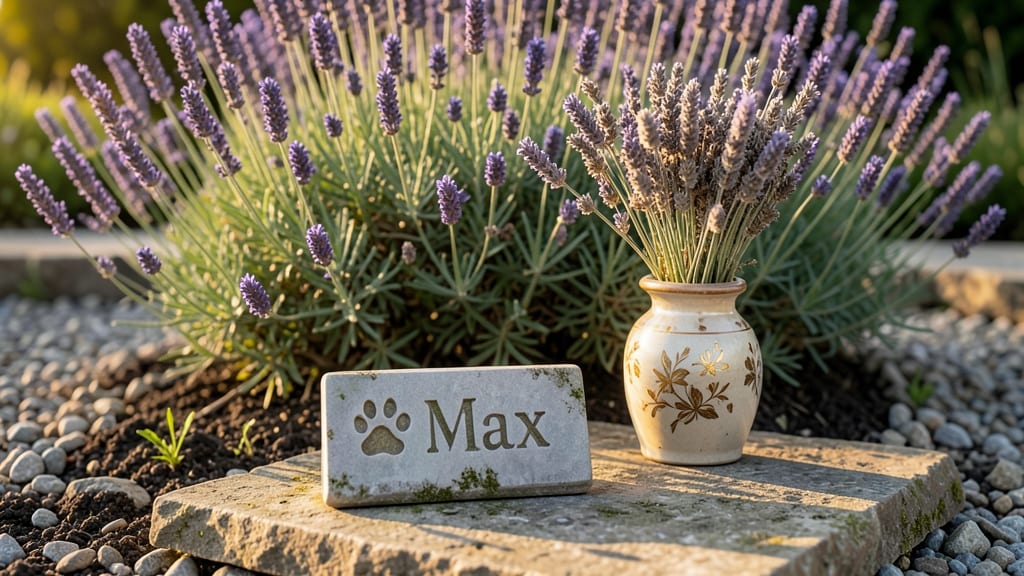
A memorial pet garden transforms grief into a living tribute where every bloom whispers their name. 🌿 I created mine after losing my golden retriever, and the act of planting—choosing pet-safe flowers, arranging stones shaped like paw prints—helped me heal in ways words couldn’t. The space became a quiet sanctuary where sunlight and petals honor a life well-lived, not just a place for memories.
Start with plants that thrive year-round and won’t harm curious pets: lavender for its calming scent, sunflowers for joy, and marigolds to deter pests. Add durable materials like slate markers or bronze plaques with their name, and consider a small water feature—the sound of running water feels therapeutic.
Keep pathways wide enough for wheelbarrows but narrow enough to feel intimate, like a private conversation with your pet.
By the first anniversary, your garden will be lush with growth and layered with meaning. The scent of blooms in spring, the rustle of leaves in summer, and the quiet beauty of winter’s bare branches all become part of their story.
You’ll find yourself talking to them there, and that’s the point—this isn’t just a garden. It’s a place where love lives on, one season at a time.
For those who worry about upkeep, focus on low-maintenance perennials and hardscaping that lasts. A simple bench, a few well-placed stones, and a mix of evergreens and seasonal flowers ensure the space stays beautiful with minimal effort.
The goal isn’t perfection—it’s creating a place that feels like theirs, where every visit brings comfort, not chores.
📚 In This Guide
- What you need
- Instructions
- Tips and common mistakes
- Wrapping up and next steps
What you need
- ● Soil & Fertilizer: High-quality potting mix or garden soil (2–5 cubic yards, depending on garden size)
- ● Organic compost (1–2 bags) for nutrient-rich soil
- ● Slow-release fertilizer (e.g., 10-10-10 or rose-specific blend, 1–2 lbs)
- ● Plants & Flowers: Perennials (e.g., lavender, roses, or sunflowers—3–5 plants)
- ● Annuals (e.g., marigolds, pansies, or pet-friendly herbs like basil—5–10 plants)
- ● Grass or low-maintenance ground cover (e.g., clover or sedum)
- ● Hardware & Decor: Personalized stone or plaque (engraved with your pet’s name)
- ○ Small bench or decorative urn (optional, for seating or remembrance)
- ● Garden stakes or trellis (for climbing plants, if applicable)
- ● Tools: Garden trowel (for planting)
- ● Pruning shears (for shaping plants)
- ● Wheelbarrow or bucket (for soil/fertilizer transport)
- ● Watering can or hose with adjustable nozzle
- ● Gloves (to protect your hands)
- ● Solar-powered garden lights (for evening ambiance)
- ● Pet portrait or paw-print ceramic tiles (for a personal touch)
- ● Wind chimes or a small fountain (for soothing sounds)
- ● Pet-safe mulch (e.g., cedar chips or straw) to retain moisture
Step-by-Step guide to designing a memorial pet garden
Creating a peaceful tribute garden honors your pet's memory while bringing beauty to your space.
🌱 Step 1: Choose a Meaningful Location
Select a spot that feels special—perhaps where your pet loved to play or near a window that catches sunlight. I always look for areas with 4-6 hours of sunlight daily since most memorial plants thrive with moderate light. If your yard is shady, opt for shade-tolerant perennials like hostas or ferns.
Consider the size too. A 4-foot by 4-foot area gives enough room for a bench, plants, and a small decorative element like a stone or plaque. Mark the space with stakes to visualize the layout before digging.
🪴 Step 2: Prepare the Soil and Plant Beds
Remove any grass or weeds from the marked area, then loosen the soil with a garden fork to a depth of 6-8 inches. This helps roots grow deeply and prevents water from pooling. I mix in a 2-inch layer of compost to enrich the soil naturally—your pet would love the thoughtfulness in this step.
Level the ground with a rake, creating gentle slopes if needed for drainage. Smooth out any lumps so the garden looks intentional and inviting. This is where the foundation of your memorial takes shape.
☀️ Step 3: Select Plants with Personal Meaning
Choose plants that reflect your pet’s personality or favorite colors. For example, purple coneflowers symbolize devotion, while sunflowers represent joy and loyalty. I always include at least one evergreen like boxwood for year-round greenery, so the garden never feels empty.
Group plants by their sunlight needs—place sun-lovers like lavender together and shade-tolerant plants like impatiens in cooler spots. Add a small tree or shrub as a focal point, like a dwarf Japanese maple, for lasting impact.
✂️ Step 4: Add Personalized Touches
Incorporate elements that honor your pet’s memory, such as a custom engraved stone with their name or a small statue of their favorite toy. I like to add a wind chime or solar-powered lights for a soothing ambiance. Even a simple wooden plaque with a heartfelt message can make the space feel sacred.
Consider adding a bench or stepping stones to create a cozy seating area. This invites you to sit, reflect, and enjoy the garden’s tranquility. The goal is to make it a place where you feel close to your pet.
💧 Step 5: Maintain the Garden with Love
Water the plants deeply once a week or more during dry spells, ensuring the soil stays moist but not soggy. Mulch with 2-3 inches of organic mulch to retain moisture and suppress weeds—this keeps the garden looking neat and reduces maintenance.
Prune flowers regularly to encourage new blooms and keep the garden vibrant. In the fall, add seasonal plants like chrysanthemums for color, and in winter, protect tender plants with a light layer of mulch. This ongoing care ensures your memorial garden remains a living tribute for years to come.
Tips & tricks for perfect memorial pet garden design
Creating a meaningful memorial garden takes more than just planting flowers—it's about thoughtful details that make the space truly special.
Location Matters: I always recommend testing your chosen spot throughout the day to confirm it gets the 4-6 hours of sunlight most memorial plants need. If you're working with shade, consider placing sun-loving plants like lavender near windows or fences where they can catch reflected light. Trust me on this—your plants will thank you with healthier growth and more vibrant blooms.
Soil Preparation Secret: When loosening the soil to 6-8 inches deep in Step 2, look for any buried rocks or roots that could hinder drainage. I've found that adding a thin layer of coarse sand to clay-heavy soil helps improve drainage while still maintaining moisture. This small adjustment prevents waterlogging that can harm your memorial plants.
Plant Selection Wisdom: In Step 3, go beyond just choosing pretty flowers—think about your pet's personality. Did they love to run? Consider adding a small path of stepping stones for a playful touch. If they were a cuddly companion, soft plants like lamb's ear or fuzzy statice can create a comforting texture. The goal is to make the garden feel like a true extension of your pet's spirit.
Personal Touch Ideas: For Step 4, don't limit yourself to just one decorative element. I like to combine a few meaningful touches—maybe a small statue of your pet's favorite toy alongside a custom stone with their name. You could also add a small bird feeder if your pet loved watching birds, creating a living memorial that continues to bring joy.
Pro Tips for Memorial Pet Garden
- Creating a meaningful memorial garden takes more than just planting flowers—it's about thoughtful details that make the space truly special.
- Location Matters: I always recommend testing your chosen spot throughout the day to confirm it gets the 4-6 hours of sunlight most memorial plants need.
- Soil Preparation Secret: When loosening the soil to 6-8 inches deep in Step 2, look for any buried rocks or roots that could hinder drainage.
Frequently asked questions
Got questions about creating a meaningful memorial pet garden? Here are some of the most common ones—and their answers—to help you get started on this heartfelt project.
What’s the best time of year to plant a memorial pet garden?
The ideal time depends on your climate, but spring or early fall are generally best. These seasons offer mild temperatures, ample rain, and fewer pests—giving plants a strong start. In warmer climates, winter planting can also work if you choose drought-resistant flowers. Pro tip: Avoid extreme heat or frost unless you’re planting hardy perennials!
How do I choose flowers that hold special meaning for my pet?
Consider your pet’s personality and your shared memories! Roses symbolize love, sunflowers represent loyalty, and daisies stand for innocence—perfect for a beloved dog or cat. Add a small plaque with their name or a favorite quote for a personal touch. Bonus: Pet-friendly flowers like marigolds or lavender add beauty and repel pests naturally.
Can I create a memorial pet garden in a small space, like a balcony or patio?
Container gardens are perfect for tight spaces. Use hanging baskets for trailing flowers, window boxes for herbs or small perennials, or even a single large pot as a focal point. Just ensure your containers have drainage holes and choose compact, low-maintenance plants like petunias or succulents.
How do I keep pests away from my memorial garden without chemicals?
Natural pest control is key to a peaceful garden. Plant marigolds or basil nearby to deter bugs, use neem oil as a spray, or introduce beneficial insects like ladybugs. Mulching with straw or wood chips also helps suppress weeds and retain moisture. Remember: Avoid toxic plants (like lilies) if other pets or wildlife visit!
What’s the easiest way to personalize my pet’s memorial garden?
Start with a custom plaque engraved with your pet’s name, birth/death dates, or a short message. Add a photo frame mounted near the garden or include a handwritten note tucked among the flowers. For a sensory touch, plant a favorite scent—like jasmine for cats or roses for dogs—or add a small wind chime to honor their spirit.
Wrapping up and next steps
A memorial pet garden is more than just a beautiful space—it’s a heartfelt tribute that honors your beloved pet while bringing comfort and peace to your heart.
By blending personalized touches, everlasting flowers, and thoughtful design, you create a sanctuary that reflects their unique spirit and leaves a lasting legacy of love. 🌸
Ready to turn memories into a living homage? Start by sketching your vision, gathering materials, and reaching out to local experts for guidance. Your pet’s garden deserves to be as special as they were—and you’re the one to make it happen!