Tools
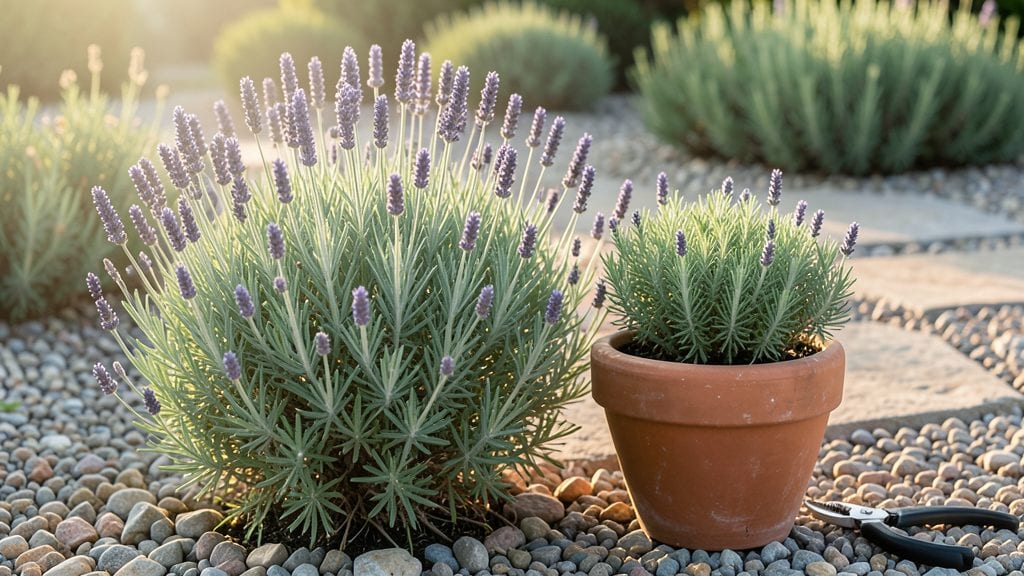
A Mediterranean style garden isn't just a design—it's a sun-drenched escape that feels like a vacation every time you walk through it. 🌿 The key lies in those effortless layers: drought-tough plants like lavender and rosemary, warm terracotta pots, and stone paths that invite you to linger.
I've designed mine around a simple truth—what grows well in hot, dry climates thrives here too, with minimal fuss.
You'll need a few core elements to pull it off: weather-resistant materials (think stone, stucco, or wood), plants that love heat and sun, and a color scheme of whites, blues, and earthy terracotta tones.
The layout should flow like a seaside village—open spaces, cozy nooks, and focal points like a fountain or pergola that make the garden feel lived-in. My 5-foot-tall olive tree anchors one corner, while a dry-stone wall defines the seating area.
What you end up with is a garden that smells like crushed herbs on a summer afternoon, where every path leads to a moment of quiet. The lavender stays fragrant for weeks, the rosemary bushes never wilt, and the stone stays cool underfoot even at 95°F.
It’s the kind of space where time slows down—no high-maintenance drama, just timeless beauty.
Works equally well in desert climates or mild coastal areas, though you’ll adjust plants based on your zone. The DIY projects—like building that dry-stone wall—are where the magic happens. Ready to create your own sun-soaked retreat?
📚 In This Guide
- What you need
- Instructions
- Tips and common mistakes
- Wrapping up and next steps
What you need
- ● Drought-tolerant plants: Lavender (10–20 plants, 12–18" pots)
- ● Rosemary (5–10 bushes, 1-gallon pots)
- ● Olive trees (1–3 small specimens, 5–7 ft tall)
- ● Herbs: Thyme, oregano, sage (5–10 plants, 6" pots)
- ● Succulents/aloes (15–20 plants, mixed sizes)
- ● Hardscaping: Terracotta pots (5–10, 12–18" diameter)
- ● Stone pavers (50–100 sq ft, irregular shapes)
- ● Gravel (1–2 cubic yards, pea or decorative)
- ● Wooden trellises (2–4, 4–6 ft tall)
- ● Wrought-iron or wooden garden bench (1–2)
- ● Decorative elements: Clay or stone urns (3–5, varying sizes)
- ● Weathered wooden crates (2–4, for seating/planters)
- ● Outdoor rug (1, neutral or striped pattern)
- ● String lights (solar-powered or Edison bulbs, 50–100 ft)
- ● Essential tools: Garden trowel (1)
- ● Pruning shears (1)
- ● Wheelbarrow (1, 2–3 cubic ft)
- ● Shovel (1)
- ● Rake (1, for gravel/soil)
- ● Level (1, for pavers)
- ○ Optional upgrades: Hose with adjustable nozzle (1, 25–50 ft)
- ● Drip irrigation kit (1, for low-water plants)
- ● Portable power saw (1, for cutting wood)
- ● Stakes & twine (10–20 stakes, for trellises)
- ● ✅ Sunlight: Ensure 6+ hours of direct sun daily (most Mediterranean plants thrive in full sun).
- ● ✅ Soil prep: Amend heavy soil with sand or gravel for drainage (aim for well-draining soil).
- ● 💡 Pro tip: Start small! Test plant hardiness in your climate before committing to large purchases.
- ● 🌡️ Climate note: If in a cooler region, opt for cold-hardy varieties like dwarf olive trees or boxwood hedges.
How to create a Mediterranean style garden
This design thrives on sun, texture, and effortless charm—here’s how to bring it to life in your space.
🪴 Step 1: Define Your Sun-Kissed Foundation
Mediterranean gardens shine in full sun, so choose a south or west-facing area. Clear existing vegetation down to bare soil—this style celebrates clean lines and open spaces. I like to mark the perimeter with a 3-foot wide gravel path (using the crushed stone) to mimic traditional Mediterranean walkways and prevent weeds.
If your space is small, use raised beds instead. The 6-inch tall cedar planters work perfectly for this—they’re naturally rot-resistant and add that classic rustic touch. Arrange them in a loose rectangle or freeform shape, leaving 2 feet of space between each for easy movement and airflow.
☀️ Step 2: Layer Plants for Texture and Color
Start with the tallest plants in the back—olive trees or rosemary bushes work beautifully. Place them 12-18 inches apart to create a natural, slightly wild look. Next, add mid-height plants like lavender or thyme in the middle layer, spacing them 8-10 inches apart. These will fill out quickly and provide that signature Mediterranean fragrance.
For the front layer, use trailing plants like creeping thyme or alyssum. They’ll spill over the edges of your cedar planters, creating that lush, cascading effect. I always mix in a few sandy-colored rocks around the base of taller plants—they echo the Mediterranean landscape and keep soil temperatures stable.
💧 Step 3: Install Drought-Tolerant Irrigation
Mediterranean gardens hate soggy roots, so bury the drip irrigation tubing along the edges of each planter. Space the emitters 12 inches apart and run them along the soil surface—this keeps water where it’s needed without wetting leaves, which prevents fungal issues.
Connect the tubing to a timer set for 10-15 minutes every other day. You’ll notice the soil stays evenly moist but never waterlogged. For extra flair, add a small terracotta pot water feature in one corner—it’s functional and adds that authentic Mediterranean vibe.
✂️ Step 4: Add Finishing Touches for Timeless Elegance
Sprinkle the crushed stone mulch over the soil surface—it suppresses weeds, retains moisture, and mimics the look of a sunbaked Mediterranean hillside. Avoid piling it too deep; a 1-inch layer is perfect. For height contrast, place a few wrought iron trellises in the corners and train climbing roses or jasmine up them.
Finally, add the weathered wooden bench in a shady spot. It’s the perfect place to enjoy your garden’s beauty while keeping the space functional. I like to place it near the lavender so the scent drifts over as I sit—pure Mediterranean relaxation.
Tips & tricks for perfect Mediterranean style gardens
Creating a Mediterranean garden that radiates effortless charm starts with these key tricks that'll make all the difference in your outdoor space.
Sun Exposure Strategy: The Mediterranean style thrives on full sun, so if your space gets less than 6 hours of direct sunlight, consider placing your garden in the sunniest spot available or opt for sun-tolerant varieties like lavender and rosemary. I've seen gardens in partial shade work beautifully by using drought-tolerant plants that still capture the Mediterranean essence. Trust me on this—this is where the authentic look comes to life.
Plant Spacing Secrets: In Step 2, those 12-18 inches between tall plants might seem generous, but it's crucial for airflow and preventing fungal issues. For the middle layer, the 8-10 inch spacing allows plants to fill in beautifully over time without overcrowding. Pro tip: If you're using smaller planters, reduce these spacings by about 20% to maximize plant density while still maintaining that Mediterranean wildness.
Irrigation Timing: The 10-15 minute watering schedule every other day is perfect for Mediterranean plants that hate soggy roots. I recommend testing your soil moisture after the first few waterings—if it stays dry between waterings, you can extend to every third day. For containers, you might need to water daily during the first few weeks until the plants establish their root systems.
Material Selection: The crushed stone mulch isn't just decorative—it's functional. I've found that using a mix of different-sized stones creates a more natural, sunbaked look. For the cedar planters, make sure they're untreated wood to prevent any chemical runoff that could harm your plants. Between us, this attention to detail elevates your garden from cute to authentic Mediterranean.
Pro Tips for Mediterranean Style Garden
- Creating a Mediterranean garden that radiates effortless charm starts with these key tricks that'll make all the difference in your outdoor space.
- I've seen gardens in partial shade work beautifully by using drought-tolerant plants that still capture the Mediterranean essence.
- Plant Spacing Secrets: In Step 2, those 12-18 inches between tall plants might seem generous, but it's crucial for airflow and preventing fungal issues.
Frequently asked questions
Got questions about crafting your dream Mediterranean-style garden? You’re not alone! Here are answers to the most common queries to help you get started with confidence.
What plants are essential for a Mediterranean garden?
A true Mediterranean garden thrives with drought-resistant plants like lavender, rosemary, olive trees, bougainvillea, and cypress. Herbs such as thyme, oregano, and sage add both beauty and fragrance. Opt for native species to minimize maintenance and water use.
How long does it take to create a Mediterranean-style garden?
Timing depends on your starting point! A basic layout with hardscaping (paths, walls) can take 1-2 months, while mature plants (like olive trees) may need 3-5 years to fully flourish. Drought-tolerant perennials establish faster—often within a single season.
Do Mediterranean gardens require a lot of water?
Not at all! These gardens are designed for low-water use. Use drip irrigation or mulch to retain moisture, and group plants with similar water needs. Native Mediterranean plants naturally thrive with minimal irrigation once established.
Can I create a Mediterranean garden in a small space?
Container gardening works beautifully for balconies or patios. Choose compact plants like dwarf olive trees, herbs in pots, or trailing rosemary. Vertical gardens with climbing plants (e.g., jasmine) maximize space while keeping the aesthetic.
What’s the biggest mistake beginners make?
The top error? Overwatering or using non-native plants. Mediterranean gardens need well-draining soil and full sun. Avoid lush, high-maintenance plants like ferns—they’ll struggle in hot, dry climates. Start small, research your local climate, and prioritize sun-loving species.
Wrapping up and next steps
A Mediterranean-style garden isn’t just a space—it’s a sun-drenched escape that blends effortless beauty with timeless charm. By layering lush greenery, rustic textures, and fragrant blooms, you’ve created a serene retreat that feels like a vacation every day.
Whether you’re sipping coffee under olive trees or unwinding among lavender hedges, this design invites relaxation and connection with nature.
Ready to bring your vision to life? Start small—pick one corner of your garden and begin with a few key elements, like a terracotta pot or a climbing vine. Before you know it, your outdoor oasis will be as inviting as the Mediterranean coast! 🌿✨