
Landscaping
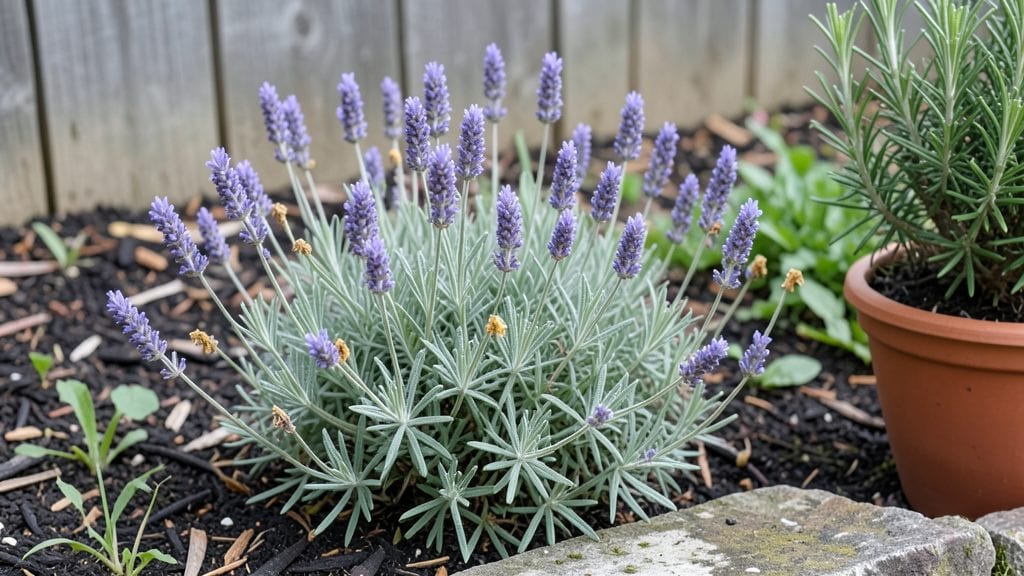
Creating a Mediterranean garden design transforms your yard into a sunlit retreat where stone paths meet fragrant herbs and citrus trees sway in the breeze.
I stumbled onto this style after visiting a friend's backyard in Southern California—her olive grove and terracotta pots overflowing with lavender made me realize how effortlessly beautiful it could be.
The key isn't just the plants; it's the whole scene: warm stone walls, gravel paths that stay cool underfoot, and pots arranged like they've been there for decades.
You'll want drought-tolerant stars like rosemary, thyme, and olive trees that thrive on neglect, plus hardscaping that feels organic—think rough-hewn stone borders and terracotta containers in earthy tones.
The layout can be as simple as an herb spiral or as grand as a citrus grove with climbing vines, all while keeping maintenance minimal. Spanish-style courtyards focus on intimate seating areas, while Greek designs often incorporate water features and winding paths through olive rows.
What you end up with is a garden that feels like a vacation spot—where the scent of crushed herbs lingers in the air and every corner offers shade or sun, depending on the time of day.
The colors pop without trying: whites, blues, and terracotta create that signature Mediterranean vibe that never goes out of style. Even in cooler climates, you can adapt by choosing cold-hardy lavender and using evergreen olive varieties.
Fair warning: this isn't a high-maintenance look. The real magic happens in the details—like arranging pots so they lean slightly, or letting gravel paths develop that weathered, lived-in feel.
Once you see how these elements come together, you'll want to add at least one more olive tree (trust me, they're impossible to resist).
📚 In This Guide
- What you need
- Instructions
- Tips and common mistakes
- Wrapping up and next steps
What you need
- ● Paving Stones or Terracotta Tiles: 20–50 sq. ft. (depending on patio size), in earthy tones like warm beige, terracotta, or slate.
- ● Gravel or Crushed Stone: 1–2 cubic yards (for pathways and borders). Opt for pea gravel or river rock in neutral shades.
- ● Drought-Tolerant Plants: Lavender (10–20 plants)
- ● Rosemary (5–10 bushes)
- ● Olive Trees (1–3, depending on space)
- ● Herbs like thyme, oregano, and sage (5–10 plants)
- ● Succulents or Agave (10–15, for texture)
- ● Clay Pots or Terra Cotta Containers: 6–12 medium-sized pots (12–16 inches in diameter) for herbs and small shrubs.
- ● Trellises or Wrought-Iron Arches: 1–3 (for climbing plants like jasmine or bougainvillea).
- ● Mulch: 1–2 bags of cedar or pine bark mulch (to retain moisture and suppress weeds).
- ● Basic Landscaping Tools: Shovel and spade
- ● Garden trowel
- ● Wheelbarrow
- ● Rake and leveling tool
- ● Hose with adjustable nozzle
- ● Safety Gear: Work gloves, knee pads, and safety goggles.
- ○ Optional Extras: String line and stakes (for marking layouts)
- ● Plate compactor (for stable pathways)
- ● Outdoor string lights or lanterns (for ambiance)
- ● Fountain or small water feature (for a serene touch)
- ● Sunlight Assessment: Ensure your space gets at least 6–8 hours of direct sunlight daily.
- ● Soil Preparation: Amend heavy or clay soil with compost or sand for better drainage.
- ● Water Access: Plan for a drip irrigation system or soaker hoses (Mediterranean plants thrive with infrequent, deep watering).
- ● Permits (if applicable): Check local regulations for structural changes (e.g., fountains, pergolas).
Instructions for crafting a Mediterranean garden design
Here’s how to build a sun-drenched, layered garden that feels like a Mediterranean escape.
Define Your Garden’s Sun Exposure and Layout
Start by mapping your space to identify sun and shade patterns. Mediterranean gardens thrive in full sun, so prioritize areas with 6+ hours of direct sunlight daily. Sketch a rough layout, noting where walls, fences, or trees cast shadows. I like to divide the garden into three zones: a sunny foreground for drought-tolerant plants, a mid-height layer for shrubs and perennials, and a shaded backdrop for taller plants or structures.
Use a tape measure to mark boundaries and walk the space at different times of day to observe how sunlight shifts. Note where morning sun fades into afternoon shade—this helps place moisture-loving plants like lavender or rosemary in cooler spots. If your garden has limited sun, focus on creating a sunken courtyard or using reflective surfaces like light-colored gravel to amplify warmth.
Build a Drought-Resistant Base Layer
Lay down a 3-4 inch thick layer of gravel or decomposed granite as your base. This mimics the Mediterranean’s rocky terrain while improving drainage and reducing water needs. Use a shovel to spread the material evenly, raking it smooth to create a natural, uneven texture. For pathways, opt for flagstone or cobblestones laid in a herringbone pattern—this adds classic Mediterranean charm while keeping weeds at bay.
Edge the gravel with low borders of stone or metal to define planting areas. I avoid plastic edging because it looks out of place in this style. Instead, I use unmortared stone walls or wrought iron borders for a timeless look. Leave gaps between stones to allow for drainage and plant roots to spread naturally.
Layer Plants for Texture and Height
Begin with tall, structural plants like olive trees, cypress, or bay laurels as your backdrop. These anchor the design and provide shade for smaller plants below. Space them 8-10 feet apart to allow for mature growth. Next, add mid-height shrubs such as lavender, rosemary, or dwarf citrus in clusters of 3-5 plants for a natural, abundant look.
Fill the foreground with low-growing perennials like thyme, sedum, or ice plant, which spill over edges and create movement. Group plants with similar water needs together—drought-tolerant species like lavender and rosemary should never mix with moisture-loving herbs like mint. Water deeply after planting to settle the soil and encourage root growth, but avoid overwatering, which can drown tender new roots.
Add Mediterranean-Inspired Hardscaping
Incorporate terracotta pots, stone urns, or wrought iron trellises to add structure and visual interest. Cluster pots in odd numbers (3 or 5) and fill them with herbs like oregano, sage, or trailing rosemary. Place trellises near seating areas to train climbing plants like jasmine or bougainvillea, which add fragrance and color while providing shade.
For seating, use stone benches or mosaic-tiled planters as both functional and decorative elements. I often place a bench along a stone wall to create a cozy nook for morning coffee or evening reading. Avoid plastic or modern furniture—opt for weathered wood, stone, or wrought iron to maintain the Mediterranean aesthetic.
Incorporate Water and Lighting for Ambiance
Add a small fountain or shallow pool to introduce the soothing sound of water, a hallmark of Mediterranean gardens. Even a simple wall-mounted spout can create a focal point. Use solar-powered lights embedded in pathways or along walls to highlight key features at night. I prefer warm-toned bulbs to cast a soft glow that enhances the garden’s evening charm.
Finally, add scented plants like jasmine, night-scented stock, or lemon verbena near seating areas. Their fragrance will linger in the air, especially in the evening, creating a sensory experience that feels like a Mediterranean retreat. Mulch pathways with crushed stone or wood chips to suppress weeds and maintain the garden’s polished look.
Tips & tricks for perfect Mediterranean garden design
Creating a Mediterranean garden that feels authentic takes attention to detail—here are my go-to tricks to elevate your design from good to breathtaking.
Sun Exposure is Everything: In Step 1, when mapping your garden, pay extra attention to how sunlight shifts throughout the day. I've seen many gardens fail because they placed drought-tolerant plants in shady spots. Use a simple garden stake to mark your sunniest areas—these will become your primary planting zones. For afternoon shade spots, consider adding a small pergola or trellis to create micro-climates that mimic Mediterranean courtyards. The key is observing your space at different times, especially around noon when shadows are shortest.
Material Matters for Drainage: When building your drought-resistant base in Step 2, don't just focus on the gravel thickness—pay attention to the material itself. I recommend using decomposed granite over regular gravel because it breaks down over time, improving soil quality while maintaining excellent drainage. For pathways, flagstone works beautifully, but if you're on a budget, consider using local field stones instead of cobblestones. The natural variation in stone sizes creates that authentic Mediterranean look while keeping costs down. Just be sure to leave those drainage gaps between stones as mentioned in the instructions.
Plant Grouping Creates Visual Impact: In Step 3, when arranging your plants, think about how they'll look from different angles. I like to create "plant clouds" by grouping 3-5 of the same shrubs together, then adding contrasting textures with low-growing perennials. For example, place lavender bushes in a loose triangle formation with thyme spilling between them. This technique creates natural focal points that draw the eye. Also, remember that Mediterranean gardens often have a slightly wild, abundant look—don't be afraid to let plants spill over their containers or edges slightly.
Hardscaping Should Tell a Story: When adding hardscaping elements in Step 4, think about creating a narrative through your materials. I often use a combination of weathered stone and rusted metal elements to suggest age and history. For example, place an old terracotta pot on a stone bench with a wrought iron trellis nearby—this creates a sense of timelessness. The key is to mix textures: rough stone with smooth metal, earthy tones with pops of color from plants. This contrast is what makes Mediterranean gardens feel so inviting and authentic.
Pro Tips for Mediterranean Garden Design
- Creating a Mediterranean garden that feels authentic takes attention to detail—here are my go-to tricks to elevate your design from good to breathtaking.
- Sun Exposure is Everything: In Step 1, when mapping your garden, pay extra attention to how sunlight shifts throughout the day.
- Material Matters for Drainage: When building your drought-resistant base in Step 2, don't just focus on the gravel thickness—pay attention to the material itself.
Frequently asked questions
Got questions about crafting your dream Mediterranean garden design? You’re not alone! Here are some of the most common queries—plus straightforward answers to help you get started.
What are the key elements of a Mediterranean garden?
A true Mediterranean garden blends texture, color, and function with sun-loving plants like lavender, rosemary, and olive trees. Think terracotta pots, gravel pathways, and drought-tolerant shrubs. Don’t forget water features—fountains or shallow pools add that signature relaxing vibe!
When’s the best time to plant a Mediterranean garden?
Timing matters! Plant perennials and shrubs in early spring or fall (avoid summer heat). Annuals like marigolds and snapdragons thrive when planted in spring after the last frost. Pro tip: Mulch in late summer to retain moisture for winter.
How do I keep a Mediterranean garden low-maintenance?
Embrace drought-resistant plants and group them by water needs. Use drip irrigation to save water, and opt for gravel or decomposed granite to reduce mowing. Native Mediterranean species (like thyme or sedum) need minimal care once established!
Can I create a Mediterranean garden in a small space?
Use vertical gardening (hanging pots, trellises) for herbs and vines. Container gardens with terracotta pots or raised beds work beautifully. Even a balcony with lavender and rosemary captures the essence—just keep it sunny and stylish!
What’s the best way to deal with pests in a Mediterranean garden?
Prevention is key! Encourage beneficial insects (like ladybugs) with native plants. Use neem oil or diatomaceous earth for organic pest control. Avoid overwatering—many Mediterranean pests thrive in damp conditions. Handpick larger pests (like earwigs) at dusk!
Wrapping up and next steps
Creating a Mediterranean garden design is all about embracing warmth, texture, and effortless beauty—where every plant and path tells a story. From sun-loving lavender to rustic stone pathways, this style blends dolce vita charm with practical, low-maintenance elegance.
Whether you’re starting small or transforming your entire yard, the key is to layer elements thoughtfully and let the Mediterranean spirit shine.
Ready to bring this timeless appeal to your space? Start small: Pick one feature—like a fragrant herb spiral or a cozy seating nook—and build from there. Browse plant lists, sketch a rough layout, or consult a local nursery for climate-specific tips. Your sun-drenched sanctuary awaits—buona fortuna! 🌿✨