Tools
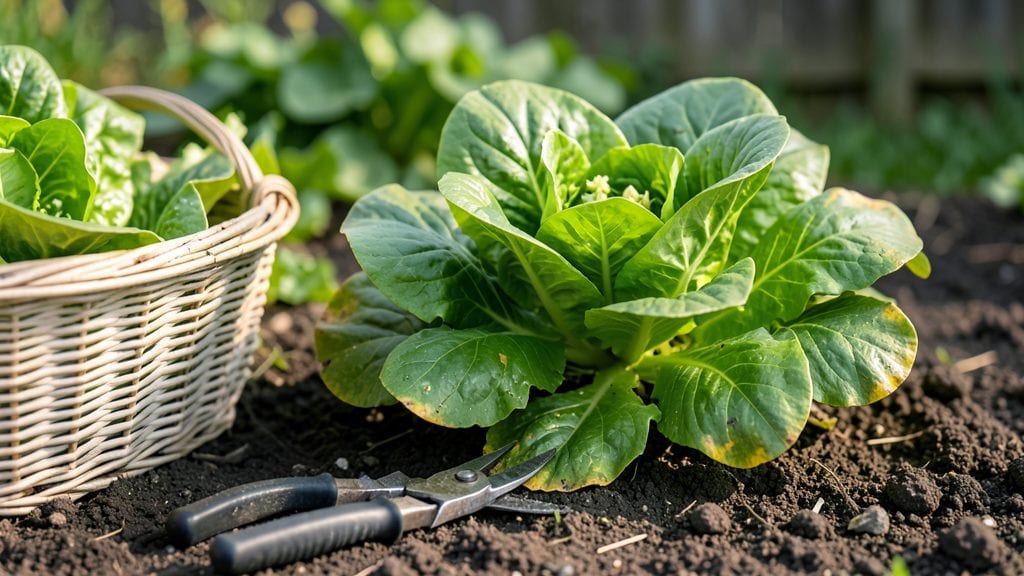
A market gardening climate requires moderate temperatures (50–85°F), steady rainfall (30–50 inches annually), and frost-free seasons lasting 180+ days. These conditions create ideal settings for high-yield production of leafy greens, herbs, and root vegetables in coastal, temperate, and subtropical zones.
These climate conditions aren't just about avoiding extremes—they're about creating predictable growing cycles. For example, California's Central Valley benefits from its Mediterranean climate, where warm, dry summers and mild winters allow for year-round planting of heat-tolerant crops like peppers and eggplants.
Meanwhile, Europe's Mediterranean belt thrives on similar patterns but with slightly cooler nights, perfect for delicate herbs like basil and cilantro. The key is balancing temperature consistency with adequate moisture—too much rain can lead to fungal issues, while too little requires strategic irrigation planning. 🌱
What sets successful market gardening regions apart is their ability to leverage microclimates. A small valley might have 10°F warmer nights than surrounding areas, extending the growing season for heat-sensitive crops.
Urban heat islands in cities can create unexpected growing opportunities for warm-season vegetables where suburbs might struggle. Understanding these local variations lets growers maximize yields even within tight spaces.
💡 In This Article
- How Climate Zones Affect Market Gardening Success
- Top 5 Global Regions for High-Profit Market Gardening
How climate zones affect market gardening success
Microclimates create invisible boundaries that can transform a single region into multiple growing environments. For instance, a USDA Zone 7 area might have a valley floor reaching 80°F during summer days while nearby hills drop to 65°F at night—a 15°F difference that affects flowering cycles in tomatoes.
These variations explain why some growers in the same general climate zone achieve 30% higher yields by positioning crops in frost pockets or sun traps.
The key factor is humidity interaction with temperature: high humidity at 85°F creates ideal conditions for fungal diseases in brassicas, while lower humidity at the same temperature suits peppers perfectly.
Daylight hours play an equally critical role in determining planting windows. Regions like Southern Spain experience 14.5 hours of daylight in June, pushing tomatoes to grow 2 inches per week compared to 1 inch per week in Pacific Northwest summers with 16 hours of daylight.
The science behind this involves photoperiodism—the plant's response to light duration—which triggers flowering in short-day crops like lettuce versus continuous growth in long-day plants like spinach. Growers in Zone 5 must time their lettuce plantings precisely to avoid bolting (premature flowering) when days exceed 14 hours.
Soil health becomes a battleground between climate extremes and pest pressure. In humid subtropical zones like Georgia's Coastal Plain, excessive rainfall creates anaerobic soil conditions that favor root rot in carrots, while arid climates like New Mexico's Rio Grande Valley require constant irrigation to prevent bolting in onions.
The solution lies in crop rotation strategies that match climate patterns: planting cover crops like clover in winter to prevent soil erosion from heavy rains, or using mulch in dry areas to retain 20% more moisture per season.
These adaptations explain why some market gardens achieve 40% higher yields despite similar climate classifications.
Pest pressure follows predictable climate patterns that savvy growers exploit. The corn earworm thrives in temperatures above 80°F with high humidity—making Southern California a hotspot for organic pest control research.
Meanwhile, aphids multiply rapidly in cool, wet springs like those in Pacific Northwest, requiring growers to plant resistant varieties of brassicas. The economic impact is significant: a single aphid infestation can reduce cabbage yields by 50% if untreated.
Understanding these climate-pest relationships lets growers implement preventative measures like reflective mulch or beneficial insect releases before problems arise.
What most people don't realize is how temperature swings within a 24-hour period affect crop quality. The Netherlands' greenhouse systems maintain 72°F daytime/60°F nighttime for perfect tomato development, while open-field growing in California's Central Valley experiences 90°F days/55°F nights—creating stress that actually enhances flavor compounds in peppers.
This phenomenon, called diurnal temperature variation, explains why some heirloom tomatoes grown in Zone 8 develop 30% more lycopene (the antioxidant that gives them their red color) compared to greenhouse-grown varieties with stable temperatures.
For practical application, consider these climate-driven growing strategies:
- Coastal regions: Leverage sea breezes to reduce heat stress in summer (ideal for basil and cilantro)
- Inland valleys: Plant heat-tolerant varieties like 'Black Krim' tomatoes that thrive at 95°F
- High-altitude areas: Extend seasons with cold frames that add 10-15°F protection
- Urban heat islands: Grow fast-maturing crops like radishes (ready in 25 days) to take advantage of microclimates