
Tools
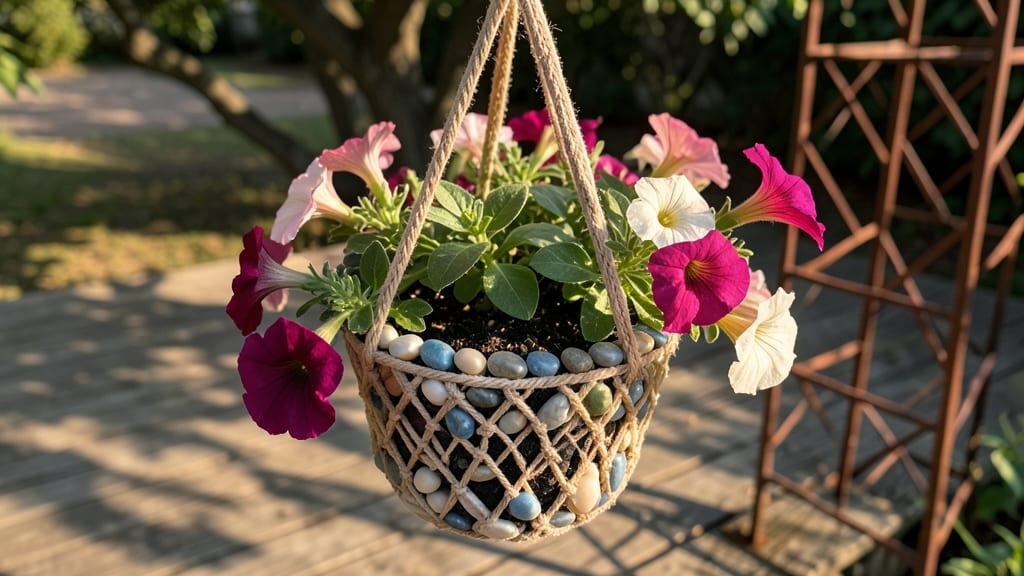
Your little balcony garden can be a lush oasis even when space is tight. 🌿 I transformed my 5x6-foot concrete slab into a thriving green corner by choosing the right plants and containers, and you can too—no green thumb required.
The key is working with what you’ve got: sunlight, wind, and the limited square footage you’re starting with.
Start with vertical space—hanging baskets, wall planters, and tiered shelves turn walls into growing surfaces. Herbs like basil and thyme thrive in 6-inch pots, while dwarf tomatoes and peppers need 5-gallon containers with sturdy supports.
Even a single 12-inch pot can hold a fragrant geranium or a trailing fern that spills over the edge.
You’ll end up with a space that feels alive, not just functional—think velvety mint leaves, clusters of tiny purple flowers, and the occasional hum of bees visiting your window-box tomatoes. The best part? No weeding, no bending over, and a view that changes with every season.
Works for any balcony, from sunny city perches to shady apartment corners. Let’s make the most of every inch!
📚 In This Guide
- What you need
- Instructions
- Tips and common mistakes
- Wrapping up and next steps
What you need
- ● Containers: 3–5 lightweight pots (5–10 gallons each) with drainage holes. Materials: plastic, terracotta, or fabric grow bags.
- ● Potting Mix: 1–2 bags of high-quality, well-draining soil (avoid garden soil—it compacts!). Look for "potting mix" or "container blend."
- ● Drainage Material: Small pebbles, perlite, or broken pottery (1–2 inches per pot) to prevent root rot.
- ● Seeds or Seedlings: Choose compact varieties like: Herbs (basil, thyme, parsley)
- ● Leafy greens (lettuce, spinach)
- ● Dwarf veggies (cherry tomatoes, peppers, bush beans)
- ● Flowers (petunias, marigolds, or trailing ivy)
- ● Watering Can or Spray Bottle: 1–2 gallons capacity with a fine rose attachment for gentle watering.
- ● Fertilizer: Balanced liquid fertilizer (10-10-10 or 20-20-20) or slow-release granules.
- ● Gloves & Pruners: A pair of gardening gloves and small pruning shears for trimming.
- ● Self-Watering System: A wick or reservoir tray to reduce watering frequency.
- ● Balcony Rail Planters: Attachable pockets or hanging baskets for vertical space.
- ● Grow Lights: LED clip-on lights (for low-light balconies).
- ● Mulch: Organic mulch (e.g., straw or coconut coir) to retain moisture.
- ● Decorative Touches: Solar-powered lights, wind chimes, or painted pots for charm!
Step-by-Step instructions for creating a little balcony garden
Here’s how to turn even the tiniest balcony into a thriving oasis—no green thumb required.
🪴 Step 1: Choose the Right Containers for Your Space
Start with containers that match your balcony’s size and style. For a 4-plant setup, I recommend 4 hanging baskets (8-10 inches wide) and 2 window boxes (12 inches long)—they maximize vertical space while keeping plants accessible. If your balcony has railings, use wall-mounted planters to free up floor space. Just ensure every container has drainage holes—waterlogged roots kill plants faster than you’d think.
I like to mix materials for visual interest: terracotta for herbs (it breathes and keeps roots cool), plastic for succulents (lightweight and retains moisture), and fabric grow bags for veggies (they wick excess water away). Arrange containers so taller plants (like herbs or small shrubs) go toward the back or edges, and shorter ones (like lettuce or strawberries) fill the front. This creates a layered look that makes the space feel intentional.
🌱 Step 2: Select Plants That Thrive in Small Spaces
Pick compact varieties of plants that love containers and don’t outgrow their homes quickly. For 4 plants, I suggest:
- 1 herb (basil, thyme, or mint) – Grows in 6-inch pots, fragrant, and useful.
- 1 vegetable (cherry tomatoes, lettuce, or bush beans) – Choose dwarf or patio varieties (like ‘Tiny Tim’ tomatoes).
- 1 flowering plant (petunias, nasturtiums, or pansies) – Adds color and attracts pollinators.
- 1 trailing plant (strawberries, spider plants, or creeping thyme) – Softens edges and fills vertical space.
Avoid root-heavy plants like corn or large squash—they’ll overwhelm your containers in weeks. Instead, focus on shallow-rooted plants that do well in 6-12 inches of soil. Check plant tags for “container-friendly” labels, and group plants with similar water and sun needs together. For example, herbs and veggies like full sun (6+ hours), while strawberries and pansies tolerate partial shade (4-6 hours).
💧 Step 3: Prepare Soil and Plant with Care
Fill your containers with high-quality potting mix—never garden soil, which compacts and suffocates roots. For 4 plants, you’ll need about 2 gallons of mix per container. Amend it with 1 cup of perlite or vermiculite per gallon to improve drainage, especially if your balcony gets afternoon shade. I also mix in 1 tablespoon of slow-release fertilizer (like 10-10-10) per container to give plants a nutrient boost without overfeeding.
Plant in the early morning or late afternoon to avoid stress from midday sun. Dig a hole twice as wide as the root ball but no deeper—this encourages roots to spread outward. Gently remove the plant from its nursery pot, loosen the roots if they’re circling, and place it in the hole. Fill in with soil, press lightly to remove air pockets, and water deeply until it drains from the bottom. The soil should feel moist but not soggy—like a wrung-out sponge.
☀️ Step 4: Position for Sunlight and Protect from Wind
Most balcony gardens need at least 4-6 hours of sunlight daily, but the exact placement depends on your plants. If your balcony faces south or west, position containers where they’ll get morning sun and afternoon shade (to prevent wilting). For north or east exposures, maximize sunlight by placing plants as close to the railing as possible. Rotate containers a quarter turn weekly so plants grow evenly—you’ll notice leaves leaning toward the light if they’re not getting enough.
Wind is the silent killer of balcony gardens. If your space gets breezy, secure containers with plant ties or weights (like bricks in the bottom). For delicate plants (like lettuce or petunias), add a windbreak—even a folded towel or small lattice screen can reduce drying. Test your setup after a week: if leaves look crispy or plants are leaning dramatically, adjust their position or add protection.
⏰ Step 5: Water and Maintain for Long-Term Success
Watering is the #1 challenge in balcony gardens—too little and plants wilt, too much and roots rot. I water every 2-3 days in summer, but check the top inch of soil first: if it’s dry, water until it runs out the drainage holes. In winter, cut back to once a week. Use a watering can with a narrow spout to target roots directly, and avoid wetting leaves (especially in shade) to prevent fungal diseases like powdery mildew.
Feed plants every 4-6 weeks with a balanced liquid fertilizer (like 20-20-20) diluted to half strength. I also prune regularly—pinch back leggy growth on herbs, deadhead flowers to encourage more blooms, and harvest veggies (like tomatoes or beans) when they’re 70-80% ripe to keep plants producing. This isn’t just about looks; it’s about encouraging healthy growth. By mid-summer, your balcony will feel like a mini jungle—just don’t forget to enjoy the harvest!
Tips & tricks for perfect little balcony garden
Transforming your balcony into a lush garden doesn't require a green thumb—just these practical tips to maximize every inch of space and keep your plants thriving.
Container Layering: In Step 1, when arranging your containers, think vertically! Use wall-mounted planters along railings and hang baskets at varying heights to create visual depth. This not only saves floor space but also lets each plant get its ideal sunlight exposure. I like to place taller herbs like rosemary in the back of window boxes, with shorter basil in front—it makes the space feel intentional and organized.
Plant Pairing Strategy: Step 2 suggests grouping plants with similar needs, but here's the secret: pair complementary plants together. For example, place your basil (which loves full sun) next to cherry tomatoes (also sun-loving) in a 6-inch pot. The tomatoes provide shade for the basil's delicate leaves during peak afternoon sun, while the basil's fragrance naturally repels pests that might target your veggies. This creates a mini ecosystem right on your balcony!
Soil Science: When preparing your soil in Step 3, don't skimp on the perlite! That 1 cup per gallon isn't just about drainage—it also creates tiny air pockets that roots need to breathe. I've learned the hard way that compacted soil leads to root rot, especially in containers where water has nowhere to escape. Pro tip: Mix in a handful of worm castings (if available) for an extra nutrient boost that plants love.
Sunlight Rotation Hack: The weekly quarter-turn rotation mentioned in Step 4 works wonders for preventing lopsided growth. But here's what nobody tells you—mark the north side of your containers with a small piece of tape before rotating. This helps you remember which direction is which, especially if you have multiple containers. Over time, you'll notice your plants develop fuller, more balanced growth patterns instead of stretching toward one light source.
Pro Tips for Little Balcony Garden
- Transforming your balcony into a lush garden doesn't require a green thumb—just these practical tips to maximize every inch of space and keep your plants thriving.
- Container Layering: In Step 1, when arranging your containers, think vertically!
- Plant Pairing Strategy: Step 2 suggests grouping plants with similar needs, but here's the secret: pair complementary plants together.
Frequently asked questions
Got questions about turning your tiny balcony into a thriving garden? Here are answers to the most common ones!
What are the best plants for a small balcony garden?
Opt for compact, low-maintenance plants like herbs (basil, thyme, parsley), leafy greens (lettuce, spinach), or dwarf varieties (tomatoes, peppers, strawberries). Succulents and air plants also thrive in small spaces with minimal care. Choose plants based on your balcony’s sunlight (6+ hours for veggies, 3–4 for herbs).
How much sunlight does a balcony garden need?
Most edible plants need 6+ hours of sunlight daily, but some (like shade-tolerant herbs) can grow with 3–4 hours. Use a sunlight tracker for a week to gauge your space. If sunlight is limited, try reflective surfaces (mirrors, white walls) or grow lights for indoor-outdoor setups.
How often should I water my balcony garden?
Watering depends on your plants and climate, but a general rule is 1–2 times daily for herbs/veggies and every 2–3 days for succulents. Check soil moisture with your finger—top inch dry = time to water. Use self-watering planters or drip irrigation to automate care. Morning watering prevents evaporation and fungal issues.
Can I grow a balcony garden in an apartment with no outdoor space?
Try indoor-outdoor setups like windowsill gardens (south-facing is best) or hanging planters near bright windows. For zero outdoor access, use LED grow lights (12–16 hours/day) and hydroponic systems. Herbs, microgreens, and leafy greens grow well indoors with proper light.
What should I do if pests attack my balcony plants?
Start with prevention: Use row covers, neem oil, or companion planting (e.g., marigolds repel pests). For infestations, try soapy water sprays (1 tsp mild soap + 1L water) or beneficial insects (ladybugs, lacewings). Avoid chemicals—they can harm pollinators and nearby plants. Check undersides of leaves daily for early signs.
When is the best time to start a balcony garden?
Start 4–6 weeks before your last frost date for cold climates (check local averages). In warm areas, you can plant year-round, but spring and fall are ideal for most veggies. Herbs and leafy greens tolerate cooler temps, while tomatoes and peppers need warm soil (60°F+). Use seed trays indoors if starting early.
Wrapping up and next steps
A little balcony garden proves that big dreams don’t need big spaces—just creativity and a little green thumb! 🌱 Whether you’re growing herbs, flowers, or veggies, your tiny outdoor oasis can bring freshness, joy, and even homegrown meals to your doorstep. Start small, experiment fearlessly, and watch your space transform!
Ready to take the next step? Pick one plant or project from this guide and dive in—your balcony (and future self) will thank you! 🌿