
Tools
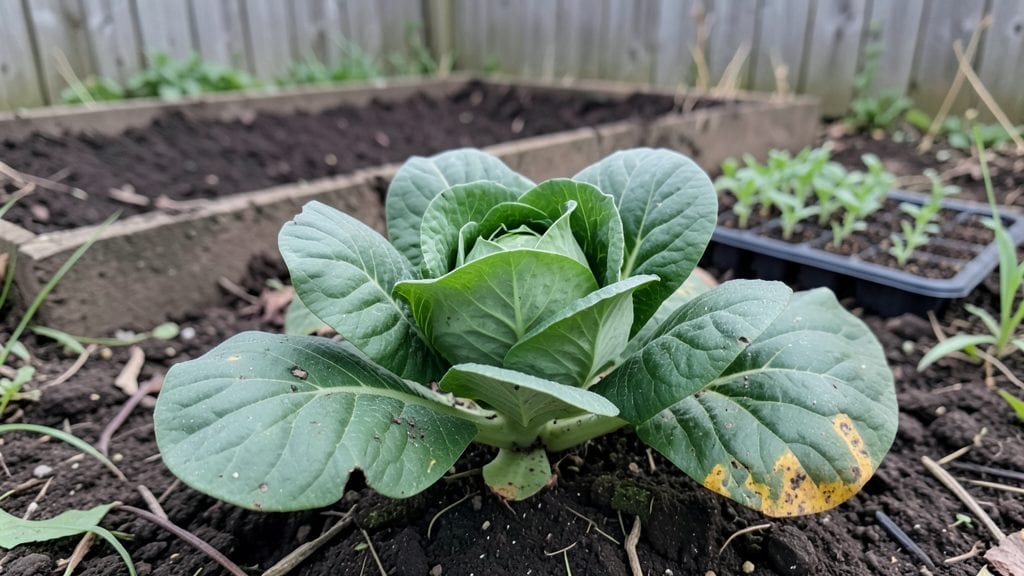
A kids first garden isn't just about dirt and plants—it's about turning every dig into a discovery. 🌱 I designed mine after watching my nephew's eyes light up when he pulled his first carrot, and now it's the one spot where learning feels like play.
The key is blending safe, interactive plants with spaces that invite curiosity without requiring constant supervision.
Start with tough, edible plants like sunflowers (they grow fast and are easy to harvest), cherry tomatoes (kids love picking them), and snap peas (they're fun to shell). Add sensory elements like a fragrant herb spiral with mint and thyme—kids love running their fingers through the leaves.
For durability, use raised beds with rounded edges (no sharp corners) and mulch paths that won't trip little feet.
By the end, you'll have a space where kids can plant, water, and harvest while learning plant names, growth stages, and basic math (counting seeds or measuring growth). The best part? It grows with them—what starts as a toddler's play area becomes a teen's small-scale farm. Let's make it happen!
This works for backyards, balconies, or even container setups on patios. The only rule? Let them lead—even if that means "digging" becomes the main activity for a while. You'll see the magic in their faces when they realize they grew something real.
📚 In This Guide
- What you need
- Instructions
- Tips and common mistakes
- Wrapping up and next steps
What you need
- ● Garden Plot or Containers: 1-2 raised garden beds (4’x8’ or smaller, 6-12” deep) or
- ● 6-10 large pots (10-12” diameter, with drainage holes)
- ● Soil: 2-3 cubic feet of lightweight, nutrient-rich potting mix (avoid garden soil—it’s too heavy!)
- ○ Optional: 1 bag of compost (for extra nutrients)
- ● Seeds or Seedlings: 5-10 easy-to-grow, kid-friendly plants: Sunflower seeds (fast-growing, towering fun!)
- ● Cherry tomato plants (compact, sweet, and rewarding)
- ● Marigolds (bright colors + pest control!)
- ● Lettuce or spinach (quick harvests for little chefs)
- ● Radish seeds (grow in 3 weeks—instant gratification!)
- ● Tools: 1 child-sized hand trowel (plastic or lightweight metal)
- ● 1 small garden fork (for turning soil)
- ● 1 watering can (with a long spout, 1-2 gallons)
- ● 1 pair of kid-safe gloves (nitrile or cotton)
- ● 1 measuring cup (for watering consistency)
- ● Decor & Fun Extras: Colorful garden markers (let kids personalize their plants!)
- ● 1-2 bird feeders or baths (to attract pollinators)
- ● Solar-powered garden lights (for evening exploration)
- ● 🌡️ Sunlight Check: Pick a spot with 4-6 hours of sunlight daily (most veggies need this!).
- ● 🎯 Space Planning: Arrange containers/plants in a kid-friendly layout—think winding paths or a "fairy garden" theme!
- ● ✨ Safety First: Avoid sharp tools or toxic plants (e.g., no ivy or foxglove). Stick to non-toxic, edible, or ornamental options.
Step-by-Step instructions for creating a kids first garden
Turn simple gardening into an adventure with this hands-on approach.
🌱 Step 1: Choose a Sunny, Accessible Spot
Pick a 4×6-foot area that gets at least 6 hours of sunlight daily—kids need energy, and so do their plants. Avoid shady corners where growth slows to a crawl. I always let the kids pick the location because their excitement is half the fun. Check for good drainage by pouring 1 cup of water over the spot—if it pools after 10 minutes, amend the soil with 2 inches of compost (from your ingredients list) to improve drainage.
Clear the space of rocks, weeds, or debris first. Kids love using small hand tools like trowels or even plastic spoons to help. This step teaches patience—wait until the soil feels loose and crumbly before moving on. If the ground is hard, add a 2-inch layer of mulch (like wood chips) to soften it and keep weeds down.
🪴 Step 2: Build Raised Beds or Planting Boxes
Use the 4×2-foot wooden planter boxes (or a 3×3-foot raised bed) to create defined growing spaces kids can reach without bending over. Line the bottom with landscape fabric to block weeds from creeping up. Fill the boxes with 3 cubic feet of potting mix—this ensures roots get plenty of oxygen and nutrients without competition from grass or weeds.
Let the kids help layer the soil: start with 1 inch of coarse sand (for drainage), then 2 inches of compost, and top with 3 inches of potting mix. Press lightly with hands—just enough to remove air pockets, but don’t compact it like dirt. This teaches them how soil structure affects plant growth. Add 1 cup of slow-release fertilizer mixed into the top layer for a nutrient boost.
🌿 Step 3: Plant Easy, Fast-Growing Kids’ Favorites
Divide the space into four equal sections and plant one seedling per child (or per section) of sunflowers, beans, marigolds, and herbs like basil. Sunflowers (3 seeds per section) grow fast and teach kids about plant height, while beans (2 seeds per section) show how roots and vines work. Marigolds (4 seeds per section) add color and repel pests—kids love their bright blooms.
Plant seeds ½ inch deep and 2 inches apart (use a ruler to measure—kids love precision!). Water gently with a watering can (not a hose) until the soil feels damp 1 inch below the surface. Label each section with popsicle sticks and markers so kids can track their progress. This step builds responsibility—assign each child a plant to "water and watch" daily.
⏰ Step 4: Add Whimsical Learning Touches
Install the solar-powered garden lights (from your ingredients list) around the edges—kids love seeing their garden glow at night. Hang a weather station nearby to teach them how rain, wind, and sun affect plants. Add a small bird feeder to attract pollinators, turning gardening into a mini ecosystem lesson.
Place a chalkboard or whiteboard near the garden for kids to draw their plants, track growth, or write predictions (like "Will my sunflower reach my height?"). This makes learning visible and interactive. Finally, add colorful pebbles or painted rocks as plant markers—kids can decorate them with their names or drawings.
💧 Step 5: Create a Watering and Care Routine
Teach kids to water early in the morning (when evaporation is lowest) using the small watering can. Show them how to check soil moisture by sticking a finger 1 inch deep—if it feels dry, it’s time to water. Overwatering is the biggest mistake, so remind them: "Damp, not soggy!" Use the moisture meter to demonstrate how roots absorb water.
Assign weekly tasks: Mondays for weeding (with gloves!), Wednesdays for measuring growth, and Fridays for drawing updates. Celebrate milestones—like the first bean sprout or sunflower bud—with a small reward (stickers or extra playtime). This routine turns gardening into a predictable, rewarding habit, not a chore.
Tips & tricks for perfect kids first garden
Here's what I learned after helping dozens of kids create their first gardens—these tricks make the experience smoother and more rewarding for everyone.
The Sunlight Secret: That 6 hours of sunlight is non-negotiable for fast-growing plants like sunflowers and beans. I've seen kids get discouraged when their garden didn't thrive because we chose a partially shaded spot. If your yard has limited sun, consider planting fast-growing varieties like radishes or lettuce in the shadier sections while keeping the main garden in full sun.
Soil Layering Technique: When building your raised beds in Step 2, make the coarse sand layer slightly thicker (up to 1.5 inches) if your area gets heavy rainfall. This extra drainage layer prevents waterlogging, which can drown young roots. Kids love the tactile experience of layering—turn it into a game by having them count the layers as they build.
Planting Precision: For the ½-inch seed depth in Step 3, use a ruler or even a popsicle stick marked with measurements. Kids can practice their measuring skills while ensuring seeds get planted at the perfect depth. I've found that sunflower seeds sometimes need a tiny bit more depth (about ¾ inch) to prevent them from drying out too quickly.
Watering Wisdom: The 10-minute drainage test in Step 1 is crucial—if water pools after this time, your soil needs more compost. For the morning watering routine in Step 5, I recommend using a spray nozzle attachment on the watering can. This gives kids control over water pressure while teaching them about gentle watering techniques that prevent soil erosion.
Pro Tips for Kids First Garden
- Here's what I learned after helping dozens of kids create their first gardens—these tricks make the experience smoother and more rewarding for everyone.
- The Sunlight Secret: That 6 hours of sunlight is non-negotiable for fast-growing plants like sunflowers and beans.
- Soil Layering Technique: When building your raised beds in Step 2, make the coarse sand layer slightly thicker (up to 1.5 inches) if your area gets heavy rainfall.
Frequently asked questions
What’s the best age to start a kids’ garden?
A garden can be fun for kids as young as 3–4 years old, but the best age depends on the project. Toddlers love sensory play (like digging or watering), while older kids (5+) can handle planting seeds and light maintenance. Start simple—focus on fun over perfection!
How long does it take to see results?
Fast-growing plants like radishes or lettuce sprout in 2–4 weeks, while flowers (e.g., sunflowers) may take 6–8 weeks. Patience is key! Use this time to teach kids about patience, cycles, and cause-and-effect—science in action!
Can I make a kids’ garden on a budget?
Skip expensive tools—use recycled containers (yogurt cups, tin cans), free seeds from food scraps (e.g., avocado pits), and natural fertilizers like coffee grounds. Even a window sill herb garden works!
What do I do if pests or weeds show up?
Don’t stress! Use gentle solutions like hand-picking bugs (turn them into a game!) or spraying water on weeds. For tougher issues, try neem oil (kid-safe when diluted) or companion planting (e.g., marigolds repel pests). Kids love being "garden detectives."
What if my space is tiny (or indoors)?
No space? No problem! Try a vertical garden (hanging pockets), a balcony planter, or even a DIY terrarium with moss and small plants. Sunlight isn’t required—some herbs (like basil) thrive under grow lights!
Still curious? Drop your question below—we’re happy to help!
Wrapping up and next steps
A Kids First Garden isn’t just a playful space—it’s a magical classroom where curiosity blooms alongside veggies! 🌱 From sensory play to STEM lessons, every dig, plant, and harvest teaches little hands (and minds) something new.
Whether you’re a parent, teacher, or gardening enthusiast, this project proves that learning can be as fun as it is rewarding.
Ready to turn dirt into discovery? Start small—pick one plant or activity this weekend and watch the excitement grow! Your garden (and your kids) will thank you! 🌟