
Tools
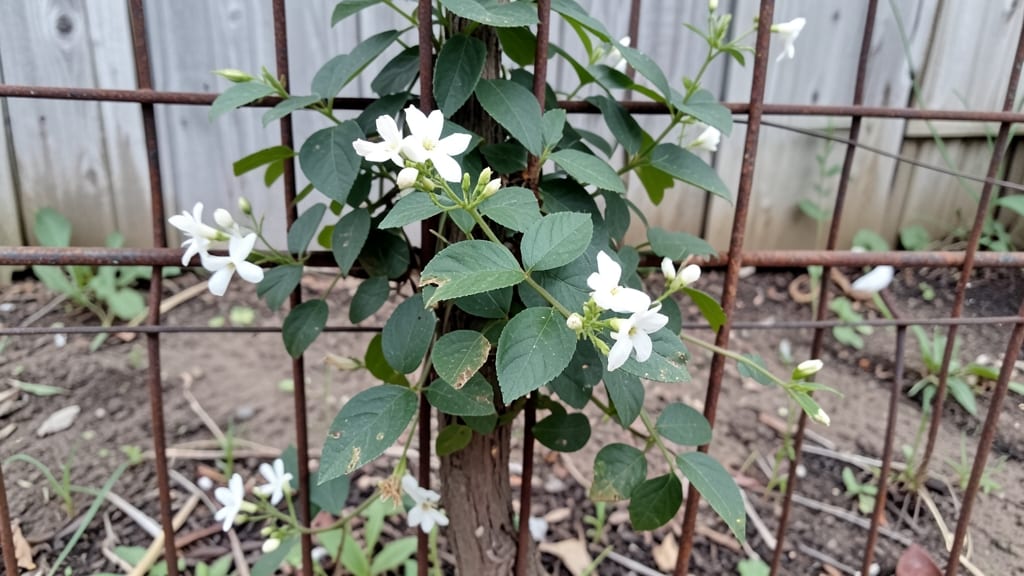
Creating a fragrant perennial border with evergreen structure starts with jasmine in garden designs that turn your yard into a sensory paradise. 🌿 I’ve found that star jasmine’s delicate white blooms and intoxicating scent pair perfectly with evergreen shrubs like boxwood or holly, offering year-round interest.
The key lies in balancing its climbing habits with structured companions—think trellises for height or low-growing perennials to fill gaps.
The right variety makes all the difference: star jasmine (Trachelospermum jasminoides) thrives in partial shade and stays compact, while common jasmine (Jasminum officinale) needs full sun and room to sprawl.
Pair it with lavender for fragrance harmony or salvia for contrasting foliage textures. My own border uses a mix of these, plus dwarf conifers for a lush, layered effect that never looks sparse.
By mid-summer, you’ll have a border that smells like a Mediterranean vacation during the day and stays visually striking even in winter. The evergreen structure keeps it from feeling seasonal, while the jasmine’s blooms transform mornings into quiet, fragrant moments.
Just avoid planting it where it’ll smother other perennials—give it space to climb or sprawl without crowding.
This design works for small urban yards or sprawling country gardens—adjust the scale by choosing dwarf varieties or training jasmine along fences instead of trellises. The secret? Let the fragrance guide you: if you can’t smell it from your patio, you’re not quite there yet.
📚 In This Guide
- What you need
- Instructions
- Tips and common mistakes
- Wrapping up and next steps
What you need
- ● Jasmine plants: 1–3 mature Jasminum plants (e.g., J. officinale, J. sambac, or J. nudiflorum) for a lush border. Choose evergreen varieties for year-round structure.
- ○ Optional: Seeds (if starting from scratch) or 3–5 cuttings for propagation.
- ● Soil amendments: 2–3 bags of well-draining potting mix or garden soil (jasmine hates soggy roots!).
- ● 1–2 cups of compost or aged manure per planting hole for nutrients.
- ○ Optional: Perlite or sand (1 part per 3 parts soil) for sandy regions.
- ● Fertilizer: 1–2 applications of balanced, slow-release fertilizer (10-10-10 or 20-20-20) per growing season.
- ○ Optional: Organic options like fish emulsion or worm castings.
- ● A garden trowel or small shovel for digging.
- ● A pruning shears (sterilized with rubbing alcohol) for trimming.
- ● A watering can or hose with a gentle spray nozzle (jasmine loves moisture but hates waterlogged soil!).
- ○ Optional: Garden gloves (to protect from thorns on some varieties).
- ● A mulching fabric or shredded bark to retain moisture.
- ● A trellis or arbor (if training climbing jasmine varieties).
- ● A sunny to partially shaded spot (6+ hours of sun for flowering varieties; dappled shade works for tropical jasmines).
- ● Well-draining soil with a pH of 6.0–7.0 (test your soil if unsure!).
- ● Space! Jasmine spreads—plant 3–5 feet apart for a dense border.
- ● Patience: Some jasmines (like J. sambac) take 1–2 years to flower fully.
Step-by-Step instructions for planting a fragrant jasmine border
Here's how to create a lush, evergreen border that bursts with scent and structure year after year.
🌱 Step 1: Select and Prepare Planting Sites
Choose locations with partial shade to full sun—jasmine thrives where morning light warms the foliage but afternoon sun doesn't scorch. I dig holes twice as wide as the root ball and 12-18 inches deep to accommodate sprawling roots. For a border, space plants 3-5 feet apart to allow mature vines room to cascade.
Loosen the soil at the bottom of each hole with your hands or a trowel—jasmine roots need to spread freely. Mix in a handful of compost or aged manure to enrich the native soil without overwhelming roots. This ensures strong establishment from day one.
🌿 Step 2: Plant Jasmine with Proper Support Structure
Place each plant so the top of the root ball sits 1 inch below soil level—this prevents crown rot while allowing roots to expand. Fill the hole with native soil, pressing gently to eliminate air pockets. I always water deeply before moving to the next plant to help soil settle naturally.
Install trellises or arbors 2-3 feet behind each plant to guide vines upward. Jasmine needs support to climb but also benefits from air circulation at the base. Use galvanized metal or untreated wood for long-lasting structures. For a border, I space trellises 4 feet apart to create a continuous fragrant curtain.
💧 Step 3: Water and Mulch for First-Year Establishment
Water immediately after planting to encourage root contact with soil. Keep the area consistently moist but not soggy for the first 4-6 weeks—jasmine roots establish slowly. You'll know you're doing it right when the soil feels damp 2 inches down between waterings.
Apply 2-3 inches of mulch around each plant, keeping it 6 inches away from the stem. I use shredded bark or pine needles to suppress weeds while retaining moisture. Mulch also protects roots from winter temperature swings, which is especially important for evergreen varieties.
✂️ Step 4: Prune and Train for Optimal Growth
Prune in early spring before new growth begins. Remove any dead or crossing branches first, then cut back overgrown stems by one-third to encourage bushier growth. I always prune just above a leaf node where new shoots will emerge.
Train vines along trellises by gently weaving them through supports. For a border effect, let some vines trail naturally along the ground while guiding others upward. This creates layers of fragrance at both eye and nose level. Avoid heavy pruning in fall—jasmine needs foliage to photosynthesize through winter.
☀️ Step 5: Maintain Through Seasons for Year-Round Beauty
Fertilize lightly in early spring with a balanced 10-10-10 formula to support new growth. I apply ½ cup per plant worked into the top 2 inches of soil. Jasmine doesn't need heavy feeding—too much nitrogen produces lush foliage at the expense of flowers.
Monitor for pests like aphids or spider mites, which thrive in dry conditions. Spray affected areas with neem oil solution at the first sign of infestation. With proper care, your jasmine border will develop evergreen structure in winter and intense fragrance in spring, rewarding years of patience.
Tips & tricks for planting a fragrant jasmine border
Creating a fragrant jasmine border that thrives year after year takes a few key strategies I've perfected through trial and error.
Root Ball Preparation: When you're digging those holes twice as wide and 12-18 inches deep in Step 1, don't just drop the plant in—gently tease the roots outward at the bottom. This encourages them to spread immediately rather than circling in the hole. I like to make small vertical cuts along the root ball with a knife to help them establish faster. This single step makes all the difference in preventing root-bound plants that struggle later.
Soil Amendments: The handful of compost or aged manure mentioned in Step 1 is your secret weapon for first-year establishment. I always mix in a bit more—about a cup per hole—especially if your native soil is heavy clay. Jasmine roots need that initial boost to spread aggressively. For sandy soils, add a bit of peat moss to help retain moisture during those critical first 4-6 weeks.
Trellis Placement: When installing trellises 2-3 feet behind each plant in Step 2, think about creating a layered effect. For a border, I install two trellises per plant—one at the standard height and another lower one at about 18 inches. This creates that magical cascading effect where you get fragrance at both nose and eye level. The 4-foot spacing between trellises allows for natural vine spread while maintaining structure.
Mulching Strategy: That 2-3 inches of mulch in Step 3 isn't just about weed suppression—it's about creating a microclimate. I use pine needles because they acidify slightly over time, which jasmine loves. The key is keeping it 6 inches away from the stem to prevent rot while still protecting those shallow roots from temperature swings. In winter, I add an extra inch of mulch to evergreen varieties for added insulation.
Pro Tips for Jasmine In Garden
- Creating a fragrant jasmine border that thrives year after year takes a few key strategies I've perfected through trial and error.
- Root Ball Preparation: When you're digging those holes twice as wide and 12-18 inches deep in Step 1, don't just drop the plant in—gently tease the roots outward at the bottom.
- Soil Amendments: The handful of compost or aged manure mentioned in Step 1 is your secret weapon for first-year establishment.
Frequently asked questions
Got questions about growing jasmine in your garden?
Here are some common ones—and their answers—to help you create a fragrant, evergreen border with ease.
What’s the best time of year to plant jasmine in my garden?
Plant jasmine in early spring or fall when temperatures are mild (50–70°F). This gives roots time to establish before extreme heat or cold. Avoid planting in summer—it can stress young plants. For container-grown jasmine, spring is ideal!
How do I keep pests like aphids or spider mites off my jasmine?
Jasmine is generally pest-resistant, but aphids or mites may appear. Spray with neem oil or insecticidal soap weekly as a preventative. For severe infestations, introduce ladybugs or use a horticultural oil. Prune affected leaves immediately to stop spread.
How long does it take for jasmine to flower after planting?
Most jasmine varieties (like Jasminum officinale) take 2–3 years to flower after planting. Patience pays off! Ensure full sun (6+ hours/day) and well-draining soil to encourage blooms. Fertilize lightly in spring with balanced 10-10-10 for faster growth.
Can I grow jasmine in containers, or does it need a garden bed?
Dwarf varieties like Jasminum polyanthum thrive in 10–15 gallon pots with drainage holes. Use a light, airy potting mix and prune regularly to control size. Place containers in sunny spots—balconies or patios work great!
Is jasmine frost-hardy, or do I need to protect it in winter?
Most jasmine types tolerate USDA Zones 7–10. In colder climates (Zones 5–6), mulch heavily around the base and wrap young plants in burlap or frost cloth. Evergreen varieties may need winter protection, but deciduous types handle frost better.
How do I prune jasmine to encourage more flowers and bushier growth?
Prune right after flowering (late spring/early summer) to shape the plant and remove dead wood. Cut back 1/3 of old stems to stimulate new growth. For climbing jasmine, train vines along a trellis or fence—this improves airflow and blooms!
Wrapping up and next steps
Adding jasmine to your garden isn’t just about beauty—it’s about creating a sensory escape that thrives year after year. Whether you’re drawn to its intoxicating fragrance, evergreen structure, or low-maintenance charm, this versatile plant is a game-changer for borders, trellises, or even containers.
With the right care and placement, your garden will become a fragrant haven that delights all seasons.
Ready to transform your outdoor space? Start small—plant a single jasmine vine or mix it into your existing borders—and watch as it grows into a lush, aromatic masterpiece. Happy gardening! 🌿✨