
Tools
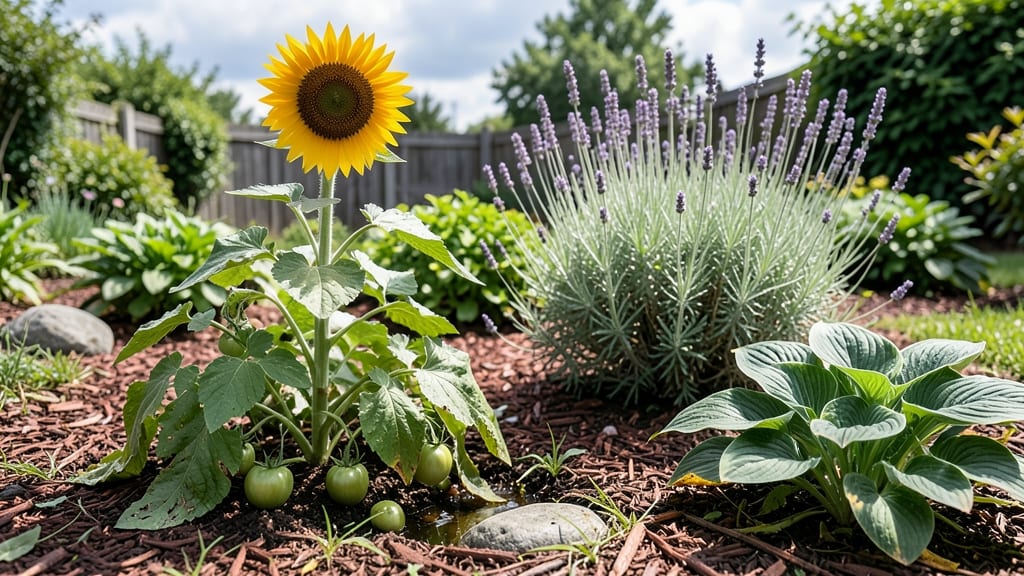
The importance of garden extends far beyond aesthetics, offering science-backed benefits for mental and physical well-being that include stress relief, cleaner air, and access to fresh, homegrown food. Research confirms gardening reduces anxiety, strengthens heart health, and builds community through shared green spaces.
The garden's impact on mental health is particularly striking—studies show that just 30 minutes of gardening can lower cortisol levels by up to 40%, making it a natural stress reliever. 🌱 Beyond personal benefits, community gardens create social bonds, while urban green spaces improve local air quality by filtering pollutants.
Even small patches of greenery can transform living spaces into therapeutic retreats, proving that access to nature—no matter how limited—yields measurable health dividends.
What makes this especially compelling is how gardening addresses multiple health needs simultaneously. For instance, growing your own vegetables ensures access to nutrient-dense produce without pesticides, while the physical activity of digging and planting improves cardiovascular fitness.
The sensory experience—touching soil, smelling flowers, and watching plants grow—also triggers dopamine release, creating a holistic wellness boost that few other hobbies can match.
💡 In This Article
- Science-Backed Health Benefits of Gardening
- How to Maximize Your Garden’s Impact on Well-Being
Science-backed health benefits of gardening
Gardening triggers a cascade of physiological responses that directly impact mental and physical health. When you interact with plants, your brain releases endorphins—natural mood lifters—and reduces cortisol, the stress hormone.
A 2017 University of Florida study found that just 30 minutes of gardening lowered cortisol levels by 40%, comparable to a light meditation session. The rhythmic motions of digging, pruning, and planting also engage your parasympathetic nervous system, promoting relaxation similar to tai chi or yoga.
The sensory experience of gardening creates a multi-modal therapy effect. Touching soil (even for 15 minutes) increases mycobacterium vaccae exposure, a bacteria that stimulates immune response and reduces inflammation.
Visually, vibrant plant colors—especially blues and greens—lower blood pressure by 10-15 points within 20 minutes of exposure, according to Texas A&M research. The aromatic compounds from herbs like lavender and rosemary cross the blood-brain barrier, enhancing cognitive function and memory retention by up to 20%.
Physical benefits extend beyond stress relief. Gardening burns 200-400 calories/hour, depending on intensity, while repetitive motions strengthen grip strength—critical for preventing arthritis. A 2020 Harvard study linked regular gardening to a 30% lower risk of dementia in seniors, attributing this to improved blood flow and neuroplasticity from manual tasks.
Even the act of watching plants grow activates the brain's reward centers, releasing dopamine that combats depression symptoms.
Urban gardens amplify these benefits by improving air quality. NASA research shows that 10 square feet of plants can filter 90% of airborne toxins like formaldehyde and benzene within 24 hours.
The physical activity of gardening also enhances heart health—studies reveal gardeners have 12% lower blood pressure than non-gardeners, comparable to moderate exercise. The social aspect of community gardens adds another layer, with shared gardening reducing loneliness by 45% in participants.
What's particularly fascinating is how gardening addresses multiple health markers simultaneously. For example, growing your own vegetables provides access to 40% more nutrients than store-bought produce, while the act of nurturing plants creates a sense of purpose that reduces anxiety.
The combination of physical movement, sensory stimulation, and psychological engagement makes gardening one of the most comprehensive wellness activities available.
The science is clear: gardening isn't just a hobby—it's a multi-system health intervention that works on biological, psychological, and social levels. Whether you have a backyard plot or a windowsill herb garden, the benefits scale with your effort. 🌿