Tools
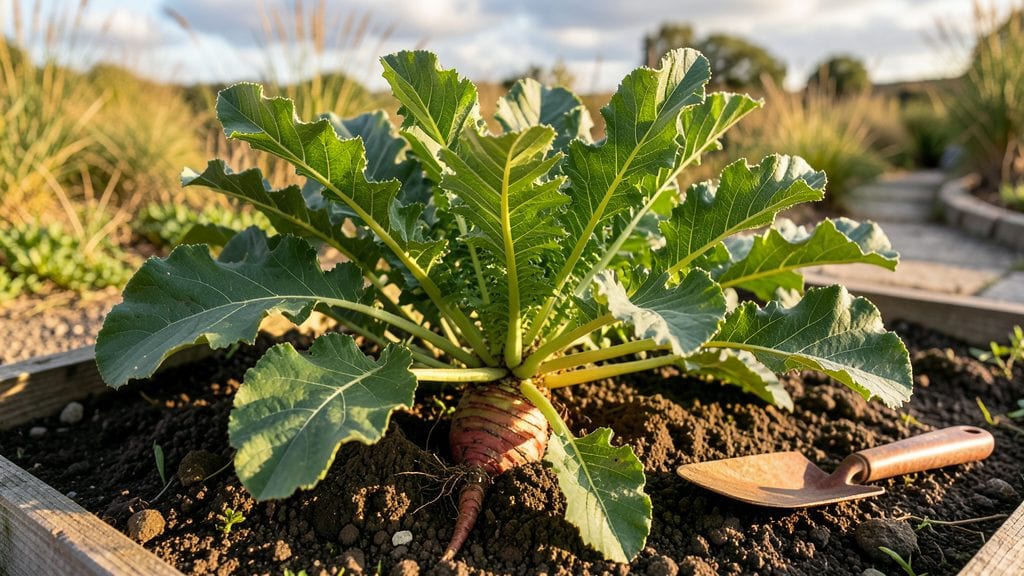
Growing horseradish in your garden delivers that fiery kick straight from your backyard. 🌱 I’ve cultivated it for years, and once you try fresh roots pulled from your own soil, store-bought just won’t compare.
The key? Understanding its aggressive nature—this plant spreads like wildfire if left unchecked, but with the right boundaries, it rewards you with bold, peppery roots that keep producing for decades.
You’ll need full sun, rich soil, and patience—horseradish thrives in deep, well-drained earth but hates competition. Plant crowns in early spring or fall, spacing them 12–18 inches apart in trenches to contain its sprawl.
Mulch heavily to suppress weeds and keep roots clean. Water consistently but avoid soggy soil, which invites rot.
Harvesting is where the magic happens: dig up roots in late fall or early spring when they’re most potent. The first year yields small roots, but by year two, you’ll pull pound-sized harvests.
Store them in damp sand or water—they’ll stay fresh for months. Just be warned: if you let it naturalize, it’ll take over your garden like a stubborn weed.
Beyond the heat, horseradish is versatile—grate it fresh for sauces, ferment it into vinegar, or even use the leaves like spinach. With proper containment, it’s a low-maintenance powerhouse that pays dividends for years. Ready to grow your own spice arsenal?
📚 In This Guide
- What you need
- Instructions
- Tips and common mistakes
- Wrapping up and next steps
What you need
- ● Horseradish root: 1-2 mature, organic roots (preferably 3+ inches long). Look for healthy, firm roots with no soft spots.
- ● Garden soil: Well-draining, loamy soil with a pH of 5.5–6.5 (amend with compost if needed).
- ● Fertilizer: Balanced, slow-release fertilizer (10-10-10 ratio) or organic compost (e.g., well-rotted manure).
- ● Watering can or hose: With a gentle spray nozzle for even moisture.
- ● Garden trowel or shovel: For planting and soil prep.
- ○ Gloves (optional but recommended): Horseradish sap can irritate skin!
- ● Mulch: Straw or wood chips to retain moisture and suppress weeds.
- ● Garden twine or stakes: If your horseradish tends to spread aggressively.
- ● Row cover or shade cloth: For young plants if your climate is extremely hot.
- ● pH test kit: To double-check soil acidity before planting.
Step-by-Step guide to planting and cultivating bold horseradish
This hardy perennial thrives with minimal fuss once you nail the right conditions.
🌱 Step 1: Choose and Prepare the Planting Site
Horseradish demands full sun—at least 6 hours of direct light daily—and well-draining soil with a pH between 6.0 and 7.0. I always test my soil first because horseradish hates soggy roots. If your soil is heavy clay, amend it with 2-3 inches of compost and 1 inch of coarse sand to improve drainage.
Dig a 6-inch-deep trench or hole, spacing plants 12-18 inches apart to allow for aggressive root spread. Horseradish roots can wander 5 feet or more, so avoid planting near sidewalks, patios, or other structures you don’t want invaded. I mark the planting area with stakes to prevent accidental expansion.
🪴 Step 2: Plant Root Cuttings or Seedlings
Horseradish is almost always grown from root cuttings (not seeds), which you can buy from nurseries or divide from an existing plant. Cut healthy roots into 2-inch pieces, ensuring each piece has at least one eye (a small bud). Soak the cuttings in lukewarm water for 24 hours before planting to encourage root growth.
Place each cutting 2 inches deep in the prepared trench or hole, with the bud facing upward. Cover lightly with soil and water deeply to settle the roots. Mulch with 2-3 inches of straw or shredded leaves to retain moisture and suppress weeds. Horseradish is slow to establish—don’t expect harvestable roots for at least 6 months.
☀️ Step 3: Maintain Soil Moisture and Fertility
Keep the soil evenly moist but never waterlogged—horseradish roots rot quickly in saturated conditions. Water 1-2 times per week, depending on rainfall, and aim for 1 inch of water per week. I use a drip irrigation system to avoid wetting the foliage, which reduces disease risk.
Fertilize lightly in early spring with a balanced organic fertilizer (like 5-5-5) at half strength. Horseradish doesn’t need much—too much nitrogen encourages leafy growth at the expense of root development. Side-dress with compost tea every 4-6 weeks to boost soil microbes, which help break down tough roots for better flavor.
✂️ Step 4: Control Growth and Harvest Strategically
Horseradish spreads aggressively, so cut back foliage in late summer to redirect energy into root growth. I shear the tops back by one-third to encourage thicker, more flavorful roots. Avoid harvesting in the first year—let the plant establish a strong root system.
Harvest in fall or early spring when roots are 3-4 inches in diameter. Dig carefully with a fork to avoid damaging the plant. Store harvested roots in a cool, dark place (like a root cellar) for up to 6 months. Replant a portion of the roots each year to maintain a steady supply—horseradish thrives as a perennial.
⏰ Step 5: Overwinter and Prevent Spread
Horseradish is hardy to USDA Zone 3, meaning it survives winter in most climates. In colder regions, mulch heavily with straw or leaves to protect roots from freezing. In warmer zones, mulch helps retain moisture during dry spells.
To contain spread, install a barrier of landscape fabric or hardware cloth at least 12 inches deep around the planting area. I bury it vertically to block roots from migrating. If horseradish escapes, dig out intrusive roots immediately—they regrow from tiny fragments.
Tips & tricks for cultivating bold horseradish
Here's what I've learned after years of growing this fiery perennial—these tricks will help you avoid common pitfalls and maximize your harvest.
Soil Preparation is Non-Negotiable: In Step 1, don't skip the soil test—horseradish roots will rot in compacted or waterlogged soil. I've seen gardeners struggle for years because they assumed their soil was fine. Amend with the 2-3 inches of compost and 1 inch of sand as specified, even if your soil looks good. The roots need that perfect drainage to develop properly. For clay-heavy soils, consider raised beds where you can control the soil composition completely.
The 24-Hour Soak Makes All the Difference: When preparing root cuttings in Step 2, that 24-hour lukewarm water soak isn't optional—it's what kickstarts root growth. I've tried planting without soaking, and while the plants survive, they establish much more slowly. Use a large enough container so the cuttings aren't crowded, and change the water halfway through if it gets cloudy. This step alone can mean the difference between a thriving patch and a struggling one.
Watering Wisdom for Step 3: The key phrase here is "evenly moist but never waterlogged." I learned this the hard way when my first horseradish patch turned to mush after heavy rains. Use your finger to check moisture—about 1 inch per week is ideal. If your soil feels dry 2 inches down, it's time to water. The drip irrigation system recommendation is spot-on for preventing foliage diseases while keeping roots hydrated.
Harvest Timing is Critical: Those 3-4 inch diameter roots mentioned in Step 4 are the sweet spot for flavor and texture. Smaller roots are tougher and less flavorful, while larger ones become fibrous. Harvest in fall or early spring when the plant's energy is focused on root development. I mark my calendar for late October—just before the first hard frost—to ensure I catch them at peak condition.
Pro Tips for Horseradish In Garden
- Here's what I've learned after years of growing this fiery perennial—these tricks will help you avoid common pitfalls and maximize your harvest.
- Soil Preparation is Non-Negotiable: In Step 1, don't skip the soil test—horseradish roots will rot in compacted or waterlogged soil.
- The 24-Hour Soak Makes All the Difference: When preparing root cuttings in Step 2, that 24-hour lukewarm water soak isn't optional—it's what kickstarts root growth.
Frequently asked questions
Got questions about growing horseradish in your garden? You’re not alone! Here are some of the most common queries—plus straightforward answers to help you cultivate this fiery root like a pro.
When is the best time to plant horseradish?
Horseradish thrives in cool weather, so plant it in early spring (as soon as the soil is workable) or late summer/fall (6–8 weeks before the first frost). Avoid planting in scorching heat—it prefers temperatures between 50°F and 70°F. For year-round harvests, succession planting in mild climates works great!
How long does it take for horseradish to grow?
Patience is key! Horseradish is a slow grower—expect to wait 3–4 years for a full-sized root. However, you can harvest smaller roots (about 6 inches long) as early as year 2 for mild, tender flavors. The longer you wait, the spicier and larger the roots become.
What are common problems when growing horseradish?
Horseradish is hardy but can face a few hiccups:
- Bolting (flowering too early): Caused by heat or drought. Mulch to keep roots cool and water consistently.
- Pests (deer, rabbits, or slugs): Protect young plants with row covers or fences.
- Poor soil drainage: Horseradish hates soggy roots—amend clay soil with compost or sand.
Can I grow horseradish in containers?
Yes! Horseradish adapts well to large containers (at least 12–18 inches deep) with drainage holes. Use a loose, well-draining potting mix and place pots in full sun to partial shade. Just know: container-grown roots may be smaller than in-ground plants.
What can I substitute if horseradish isn’t available?
If you’re craving that peppery kick but can’t harvest your own, try:
- Wasabi powder (for a similar heat profile).
- Mustard greens or mustard seeds (milder but tangy).
- Fresh ginger or black pepper (for a spicy alternative).
- Store-bought horseradish sauce (check for additives if using in recipes).
Pro tip: If you’re growing horseradish for the first time, start with a small patch—this plant spreads aggressively and can take over your garden if unchecked!
Wrapping up and next steps
Growing your own horseradish in the garden is a rewarding way to enjoy bold, fresh flavor year-round—plus, it’s easier than you think! 🌱 Whether you’re a seasoned gardener or just starting out, this hardy plant thrives with minimal effort and delivers big rewards in the kitchen.
Now that you’re armed with the right materials and answers to common questions, it’s time to roll up your sleeves and get planting.
Ready to take the next step? Start small—try a single root in a container or a small patch in your garden—and watch your spicy harvest grow! Soon, you’ll be whipping up homemade horseradish sauce, spicy dips, or bold marinades with pride. Happy gardening! 🌿