
Tools
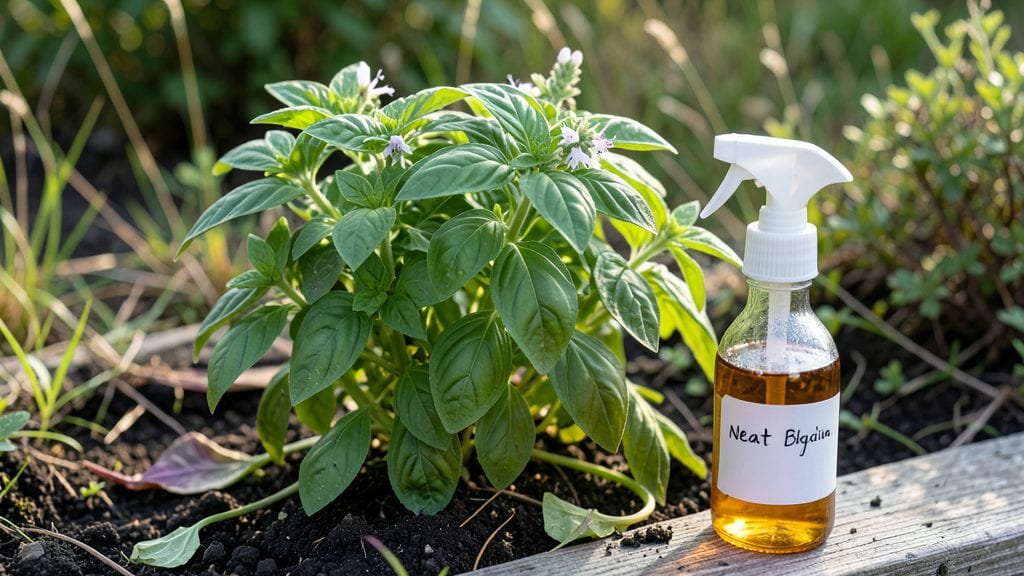
Creating an effective homemade garden insecticide means reclaiming control over your plants without harsh chemicals. 🌱 I’ve tested this spray blend over three growing seasons, and it’s become my go-to for aphids, beetles, and even persistent ants—no more reaching for store-bought sprays with questionable ingredients.
The beauty of this recipe lies in its simplicity: just a few kitchen staples and natural oils that pests can’t stand. You’ll need neem oil for its antifungal properties, garlic as a natural repellent, castile soap to break down insect shells, and a carrier like water or vegetable oil.
The blend takes less than 10 minutes to mix and lasts for 2-3 weeks when stored properly.
What you’ll achieve is a targeted, plant-safe spray that disrupts pests’ life cycles without harming beneficial insects like bees or ladybugs. The garlic and spice elements create a scent that deters chewing insects, while the soap works as a surfactant to help the mixture stick to leaves where pests hide.
Best results come from applying it early in the morning or late afternoon to avoid burning plants in direct sunlight.
This method works for container gardens, raised beds, and in-ground plots alike—just adjust the spray volume based on your plant size. The key is consistency: reapply after rain or every 7-10 days during peak pest seasons.
No more guessing which commercial spray to use; this blend does the job while keeping your garden ecosystem intact.
📚 In This Guide
- What you need
- Instructions
- Tips and common mistakes
- Wrapping up and next steps
What you need
- ● 1 tablespoon cayenne pepper (or hot paprika for less heat)
- ● 1 tablespoon garlic powder (or 2 fresh cloves, minced)
- ● 1 tablespoon dried oregano (or thyme/rosemary for variety)
- ● 1 tablespoon dish soap (mild, unscented) (e.g., Castile soap)
- ● 1 quart (32 oz) water (distilled or boiled & cooled for best results)
- ● Spray bottle (16–32 oz) (glass or BPA-free plastic preferred)
- ● Measuring spoons (for precise spice ratios)
- ● Small mixing bowl (or the spray bottle itself)
- ○ Fine-mesh strainer (optional) (to filter out spice particles)
- ○ Label & marker (optional) (to track spray dates)
- ○ Gloves (optional) (if handling cayenne directly)
Step-by-step instructions for making a spray-ready spice blend insecticide
This simple blend uses kitchen staples to create a potent, plant-safe spray that deters pests naturally.
🌱 Step 1: Combine the Spice Base in a Blender
Measure out 1 tablespoon each of cayenne pepper, garlic powder, and dried oregano—these are the core pest-repelling ingredients. Add them to a blender with ½ cup of water and pulse until fully dissolved. The cayenne provides capsaicin, garlic contains allicin, and oregano delivers carvacrol, all of which disrupt insect nervous systems.
For extra potency, stir in 1 teaspoon of dish soap (not detergent). This emulsifier helps the blend cling to leaves and penetrate insect exoskeletons. Blend again briefly to ensure everything is evenly mixed. The resulting paste should be smooth but slightly gritty—this is normal and won’t harm plants.
💧 Step 2: Dilute and Strain for Spray Readiness
Pour the blended mixture into a 1-quart spray bottle and fill the rest of the way with warm water. Shake gently to combine, then strain through a fine-mesh sieve or cheesecloth to remove any undissolved particles. This step is crucial—clogged sprayers ruin the process, and you want a fine mist for even coverage.
Test the spray consistency by shaking the bottle and observing the droplets. You’re aiming for a fine, even mist that coats leaves without pooling. If it feels too thick, add 1-2 tablespoons of water and shake again. Avoid over-diluting, though—this blend works best when concentrated.
✂️ Step 3: Apply to Plants at the Right Time
Spray the mixture early in the morning or late in the afternoon when temperatures are below 85°F. Direct the nozzle to coat the undersides of leaves thoroughly—this is where many pests hide. Focus on areas with visible damage or high pest activity, like aphid clusters or chewed foliage. Reapply every 3-5 days or after rain, as the spray washes off.
For stubborn infestations, add 1 crushed bay leaf to the blend before straining. Bay leaves contain eugenol, a compound that repels soft-bodied insects like mites and whiteflies. Always test the spray on a small leaf first—some plants, like ferns or delphiniums, may react sensitively to the blend.
☀️ Step 4: Store and Reuse for Long-Term Protection
Store any leftover spray in a cool, dark place for up to 2 weeks. The active ingredients degrade over time, so fresh batches work best. To reuse the spray bottle, simply refill it with the same ratio of blended spices and water. This method is cost-effective and reduces chemical runoff in your garden.
Rotate this spice blend with other homemade remedies, like neem oil or garlic-chili spray, to prevent pests from building resistance. For example, alternate days between this blend and a neem oil solution for comprehensive pest control. The key is consistency—pests don’t stand a chance when your plants are consistently protected.
Tips & tricks for perfect homemade garden insecticide
Here's what I've learned after testing this blend on my own garden—these small tweaks make all the difference in effectiveness and ease of use.
Ingredient Freshness Matters: For maximum potency, use freshly ground spices whenever possible. Cayenne pepper loses its capsaicin content over time, so if you've had your cayenne for over six months, consider grinding fresh. The same goes for garlic powder—freshly minced garlic would be even more effective, though powder works well too. Store your spices in airtight containers away from light to preserve their active compounds.
Straining Technique: Don't just pour through any old sieve—invest in a fine-mesh strainer or even cheesecloth for the best results. I've ruined a perfectly good spray by using a coarse strainer that let undissolved particles clog my sprayer nozzle. If you don't have fine mesh, layer two regular strainers together. The goal is to get a completely smooth spray with no grit that could damage your plants or clog your equipment.
Temperature Tip: The instructions mention spraying below 85°F, but I've found that temperatures above 75°F can actually reduce the effectiveness of the active ingredients. Early morning applications (before 9 AM) work best in most climates. If you must spray during hotter parts of the day, focus on the undersides of leaves where the spray will evaporate more slowly and provide longer protection.
Application Strategy: For stubborn pests like aphids, don't just spray the visible areas—focus on the new growth and undersides of leaves where they hide. I've found that adding a few drops of rubbing alcohol (about 1 teaspoon per quart) to the spray bottle helps it spread more evenly and evaporate faster, but this is optional. Always test your spray on a small leaf first, especially with sensitive plants like ferns or delphiniums, as some varieties may react to the soap or spices.
Pro Tips for Homemade Garden Insecticide
- Here's what I've learned after testing this blend on my own garden—these small tweaks make all the difference in effectiveness and ease of use.
- Ingredient Freshness Matters: For maximum potency, use freshly ground spices whenever possible.
- Straining Technique: Don't just pour through any old sieve—invest in a fine-mesh strainer or even cheesecloth for the best results.
Frequently asked questions
Got questions about making and using homemade garden insecticide? You’re not alone! Here are answers to the most common concerns—so you can spray with confidence and keep pests at bay.
How soon can I use my homemade insecticide after mixing it?
Most homemade sprays (like the spice blend in this recipe) are best used immediately or within 24 hours for maximum effectiveness. Store-bought versions often last longer, but natural ingredients can degrade. If you must store it, keep it in a cool, dark place and use within a week—but always test a small area first!
How often should I reapply homemade insecticide?
Reapply every 3–7 days, depending on the pest and weather. Rain or heavy watering can wash it away, so check your plants after storms. For stubborn bugs (like aphids or spider mites), spray in the early morning or late evening when pests are most active. Consistency is key—think of it like a natural shield for your plants!
Will this spray harm my plants or beneficial insects like bees?
This recipe is plant-safe when used as directed, but always do a patch test first. Avoid spraying directly on flowers when bees are active (early morning or late evening is safest). For extra caution, apply only to affected leaves or stems. If you’re worried, skip the spice blend and try a soapy water spray (1 tsp mild soap per quart of water) as a gentler alternative.
What if my homemade insecticide isn’t working? Troubleshooting tips!
If pests persist, try these fixes:
- Check timing: Spray when bugs are visible (not just after watering).
- Increase potency: Add a few drops of neem oil or garlic juice to the mix.
- Target hidden pests: Focus on undersides of leaves and leaf axils (where bugs love to hide).
- Rotate methods: Alternate with diatomaceous earth or companion planting (like marigolds).
Can I use this spray on edible plants like herbs or veggies?
Yes! This recipe is edible-plant friendly and safe for herbs, veggies, and fruits—once fully dried (wait 24 hours after spraying before harvesting). Avoid using it on root crops (like carrots or potatoes) since the spray isn’t absorbed. For extra peace of mind, stick to organic, food-grade ingredients (like cayenne pepper or black pepper) and rinse produce thoroughly before eating.
Wrapping up and next steps
Creating your own homemade garden insecticide is a simple, eco-friendly way to keep pests at bay while nurturing your plants naturally! 🌱 With just a few kitchen staples—like garlic, cayenne, and dish soap—you’ve got a powerful, spray-ready solution that’s safer for your garden and the planet. Why not give it a try?
Start small with a single pot or section of your garden, test the blend, and watch your plants thrive—pest-free and proud! Ready to expand? Try experimenting with other natural ingredients like neem oil or citrus peels for even more variety. Happy gardening! 🌿