
Tools
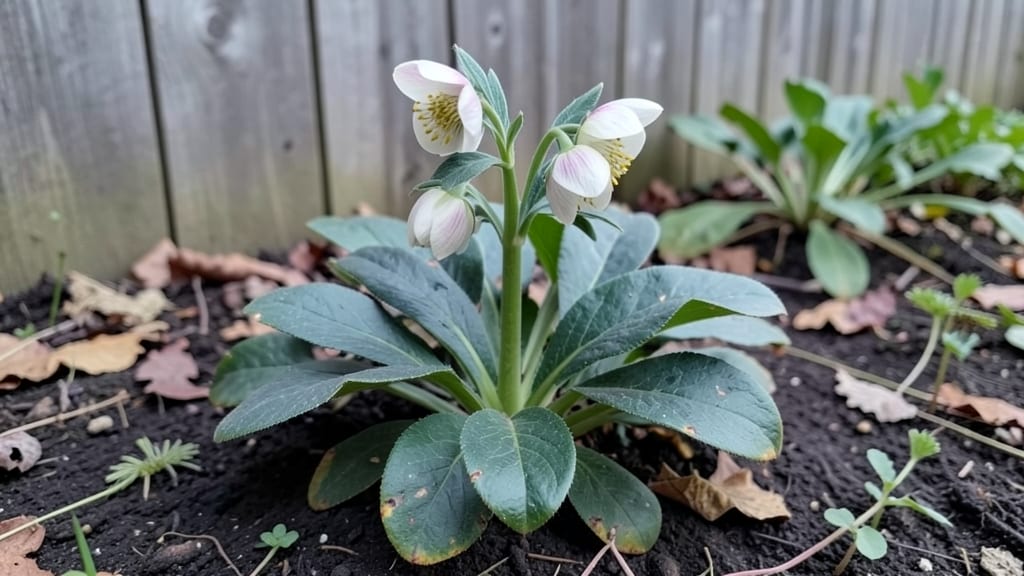
Hellebores excel in garden landscapes by delivering vibrant early-season blooms and lush evergreen foliage, thriving particularly well in shaded spots with consistently moist yet well-draining soil. Their cold-hardy nature and long-lasting beauty—from deep purple to pristine white flowers—make them a standout choice for gardeners seeking low-maintenance, year-round interest.
These shade-loving perennials are nature's workhorses, adapting beautifully to conditions where many plants struggle. 🌿 Their deep root systems access moisture efficiently, while their glossy leaves photosynthesize even under filtered light.
Unlike sun-dependent plants, hellebores don't bolt in heat and continue blooming from late winter through spring, often producing second flushes. For gardeners with tricky shade spots, they're the ultimate solution—just pair them with ferns or hostas for layered texture and color contrast.
What truly sets them apart is their versatility in design. Whether you're creating a woodland garden or brightening up a dark corner, hellebores deliver bold color without demanding full sun. Their deer-resistant nature is another bonus, making them perfect for rural properties.
For maximum impact, plant them in clusters of three or more—this creates natural drifts that look intentionally planted while requiring minimal care.
💡 In This Article
- Why Hellebores Excel in Shade Gardens
- Top Hellebore Varieties for Garden Design
Why hellebores excel in shade gardens
Hellebores have evolved a unique set of adaptations that let them thrive where other plants falter. Their deep, fibrous root systems extend 12-18 inches below the surface, accessing moisture in deeper soil layers that drier-surface plants can't reach.
This root structure also helps stabilize soil, preventing erosion in shady woodland gardens. Unlike sun-loving perennials that develop shallow roots to maximize light absorption, hellebores prioritize moisture retention and nutrient access—critical traits for low-light environments where evaporation rates are lower. 🌱
Their photosynthesis process differs fundamentally from sun-dependent plants. Hellebores use C3 photosynthesis with a specialized leaf structure: thick, waxy cuticles and glaucous (blue-gray) undersides that reflect excess light while still capturing the 10-20% of sunlight that reaches forest floors.
Compare this to ferns, which rely on delicate fronds that dry out quickly in shade, or hostas that develop yellowing leaves when soil stays too wet—a common problem hellebores avoid through their moisture-tolerant roots.
Soil pH tolerance is another game-changer. Hellebores naturally grow in acidic to neutral soils (pH 6.0-7.5), thriving where many shade plants like lungwort (which prefers 6.0-7.0) or astilbes (ideal at 5.5-6.5) struggle at the edges.
Their leaves contain alkaloid compounds that deter slugs and deer, a natural defense mechanism that eliminates the need for chemical repellents. This hardiness means they'll often outperform even well-established hostas in consistently damp shade.
What most gardeners don't realize is how hellebores manage their energy differently. While sun plants allocate resources to rapid growth during short daylight hours, hellebores prioritize slow, steady development—producing 1-2 inches of new growth per year rather than bolting upward.
This strategy conserves energy for their 6-8 week flowering period (often starting in December-February for winter varieties), when they compete with few other perennials for pollinators. Their nodding flowers also prevent self-pollination, ensuring genetic diversity in garden settings. 🌸
Consider these key comparisons with other shade plants:
- Hostas: Require well-draining but consistently moist soil; leaves turn yellow in soggy conditions (hellebores tolerate wetter soils)
- Ferns: Need high humidity and mulch to retain moisture; hellebores thrive with 30-50% less supplemental watering
- Lungwort: Prefers partial shade (4-6 hours sun); hellebores handle full shade (less than 2 hours direct light)
The real magic happens in their evergreen foliage. While many perennials go dormant in winter, hellebores maintain leathery, dark green leaves that photosynthesize whenever temperatures rise above 40°F. This means they're effectively "pre-blooming" throughout mild winters, storing energy for their dramatic spring displays.
For gardeners, this translates to year-round structure—a visual anchor when most gardens are brown and dormant. 💫