
Advice
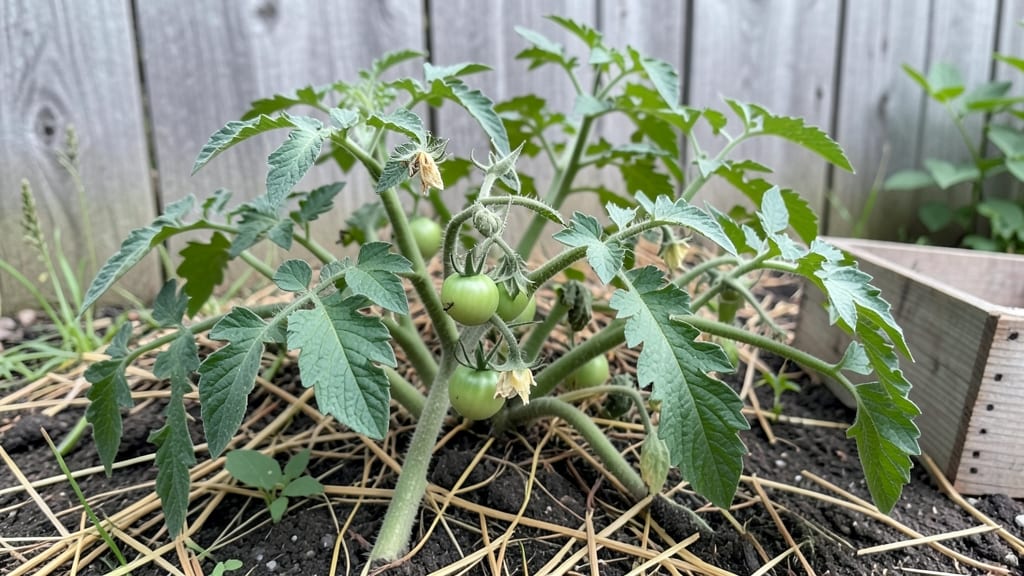
Grandpa’s gardening tips always started with a handful of dirt—not a bag of fancy mix—because his secret was working the soil until it crumbled like cake, adding compost every fall, and never rushing the prep. 🌱 He’d say, "Good soil is patient soil," and he’d be right: my tomatoes now burst with flavor because the roots have room to stretch.
Planting came next, but not like the catalogs suggest. Grandpa measured spacing by hand-spans, not inches, and always tucked in a few marigolds around tomatoes to keep pests away. He’d watch the moon phases too—though he never admitted it was "old wives' tale" stuff.
The key? Observing what actually grows, not what the seed packet promises. His beans outpaced mine until I finally paid attention to when he planted them.
📚 In This Guide
- What you need
- Instructions
- Tips and common mistakes
- Wrapping up and next steps
What you need
- ● Seeds or seedlings: Choose disease-resistant varieties (e.g., heirloom tomatoes, cherry peppers, or bush beans). Start with 5–10 plants of your top picks.
- ● Potting soil: A high-quality, well-draining mix (look for "organic" or "compost-blended" labels). Plan for 2–3 cubic feet per 10 sq ft of garden space.
- ● Compost: 1–2 gallons per plant to enrich soil naturally. Homemade or store-bought works!
- ● Mulch: 2–3 inches of straw, wood chips, or shredded leaves to retain moisture and suppress weeds.
- ● Hand trowel: A sturdy, 6–8 inch stainless-steel model for planting and weeding.
- ● Pruners: Bypass pruners (sharp, clean cuts!) for trimming and harvesting.
- ● Garden gloves: Durable, breathable (nitrile-coated for grip).
- ● Watering can or hose: A 5-gallon can with a rose attachment for gentle watering.
- ● Garden kneeler/pad: Foam or foldable to save your knees—trust us!
- ● Trellis or stakes: For vining plants like cucumbers or beans (5–6 ft tall).
- ● Soil pH test kit: Adjust soil acidity with lime or sulfur if needed.
- ● Organic fertilizer: Balanced (e.g., 10-10-10) or plant-specific (like tomato food).
- ● Bird netting: To protect fruits/veggies from hungry critters.
- ● Notebook/journal: Track planting dates, watering schedules, and growth notes!
Step-by-Step instructions for Grandpa's no-fail gardening tricks
Here's how I've kept my garden thriving for decades—simple, time-tested wisdom.
🌱 Step 1: Start with the Soil, Not the Seeds
Grandpa always said, "A good garden starts below ground." Before planting anything, work in 2-3 inches of compost into the top 6 inches of soil. This loosens the earth and feeds roots for months. I like to mix in a handful of wood ash too—just a sprinkle—to raise the pH slightly if your soil runs acidic.
Test your soil's drainage by digging a 6-inch deep hole, filling it with water, and timing how long it takes to drain. If it sits longer than 2 hours, amend with sand or perlite to improve airflow. Well-draining soil prevents root rot and keeps plants strong from day one.
☀️ Step 2: Plant at the Right Time and in the Right Spot
I mark my calendar for the last frost date and plant warm-season crops like tomatoes and peppers 2-3 weeks after that date. For cool-season crops, I start them 4-6 weeks before the last frost. The key is watching the soil temperature—it should stay above 60°F for most vegetables.
Pay attention to sunlight too. Most vegetables need 6-8 hours of direct sun daily. I group plants by their needs: sun-lovers like squash and peppers get the south side of the garden, while shade-tolerant lettuce and spinach go near taller plants that cast afternoon shade.
💧 Step 3: Water Deeply and Early in the Day
Grandpa's rule: "Water the roots, not the leaves." I use a soaker hose or drip irrigation to deliver water 1-2 inches deep per week, depending on rain. Watering in the early morning prevents fungal diseases that thrive in damp evening foliage.
Check moisture by sticking your finger 1 inch into the soil. If it feels dry, it's time to water. Overhead sprinklers waste water and spread disease, so I avoid them unless absolutely necessary. Mulching with straw or grass clippings keeps soil moist and blocks weeds—just spread 2-3 inches around plants.
✂️ Step 4: Prune and Harvest Regularly
I pinch back the tips of young plants to encourage bushier growth. For tomatoes, I remove suckers (the little shoots that form in the leaf axils) to redirect energy to fruit production. Pruning also improves airflow, reducing the risk of disease.
Harvest frequently to keep plants productive. Picking ripe tomatoes, peppers, or beans every 2-3 days encourages more flowers and fruit. Grandpa always said, "A well-picked garden is a happy garden." Use clean, sharp shears to avoid damaging stems.
🪴 Step 5: Rotate Crops and Feed the Soil
Every year, I move crops to a new spot in the garden to prevent soil-borne diseases and pests. For example, tomatoes and peppers go where beans or lettuce grew the previous year. This 3-year rotation keeps the soil healthy and reduces problems.
At the end of the season, I add another layer of compost and mix in a balanced fertilizer (like 10-10-10) to replenish nutrients. Covering the garden with cardboard and mulch over winter protects the soil and keeps weeds down. Come spring, the ground is ready for new plants without extra work.
Tips & tricks for perfect gardening success
These time-tested tricks will help you avoid common gardening pitfalls and grow a thriving garden just like Grandpa's.
The Soil Test Secret: When testing your soil's drainage in Step 1, use a clear container so you can actually see the water level drop. I've seen people guess and end up with soggy soil that leads to root rot. The water should disappear completely within the 2-hour window. If it's still damp after that, you definitely need to add sand or perlite to improve drainage.
Planting Precision: In Step 2, mark your last frost date on your calendar and set reminders for those 2-3 weeks later for warm-season crops. I like to use colored flags in my garden to mark where each plant family goes—red for tomatoes, blue for peppers, and so on. This visual system prevents mix-ups and makes crop rotation easier to track year after year.
Watering Wisdom: For Step 3, consider investing in a simple moisture meter that reads soil moisture levels. These cost less than $10 and take the guesswork out of watering. The goal is consistently moist soil—not soggy. I aim for that "squeeze a handful and it holds together but doesn't drip" texture. Watering in the early morning also gives plants a full day to dry out, preventing fungal issues.
Harvesting Hack: In Step 4, when harvesting tomatoes, I use a small serrated knife to cut stems rather than twisting them off. This prevents damage to the plant and makes future harvesting easier. For beans, I pick every 2-3 days but always check for ripe pods first—don't harvest just because it's time! The riper the bean, the sweeter it'll be.
Pro Tips for Grandpa'S Gardening Tips
- These time-tested tricks will help you avoid common gardening pitfalls and grow a thriving garden just like Grandpa's.
- The Soil Test Secret: When testing your soil's drainage in Step 1, use a clear container so you can actually see the water level drop.
- Planting Precision: In Step 2, mark your last frost date on your calendar and set reminders for those 2-3 weeks later for warm-season crops.
Frequently asked questions
Got questions about Grandpa’s gardening wisdom?
Here are answers to the most common ones—straight from the soil to your hands!
What’s the best time to start a garden?
Grandpa always said, “Plant when the soil’s warm and the frogs start singin’!” For most veggies, aim for after the last frost (check your local USDA zone). Start seeds indoors 6–8 weeks before the last frost if you’re impatient like us! Pro tip: Test soil temp—it should be at least 60°F for warm-lovers like tomatoes.
Can I use old coffee grounds in my garden?
Grandpa swore by them for acid-loving plants like blueberries and azaleas. Just mix them into compost—never pile them fresh (they can burn roots). Coffee grounds add nitrogen and improve soil texture. Bonus: Brew a used coffee cup’s dregs into a weak “tea” for fertilizer!
How do I keep pests away without chemicals?
Grandpa’s secret? Diversity and disruption. Plant marigolds (they repel nematodes), basil (keeps flies away), and nasturtiums (lures aphids off veggies). Handpick pests early, or spray soapy water (1 tsp mild soap per quart of water). Pro tip: Crush garlic or chili peppers in water for a natural spray—works like magic!
What if my plants wilt even when watered?
Wilting can mean overwatering, underwatering, or root issues. First, check soil moisture—stick your finger in 1–2 inches deep. If it’s soggy, let it dry; if bone-dry, water deeply. Yellow leaves? Could be fungus (space plants for airflow). Brown edges? Maybe too much salt (flush soil with rainwater). Grandpa’s rule: “When in doubt, dig it out and inspect the roots.”
Are there low-maintenance plants for beginners?
Grandpa’s top picks for lazy gardeners: Swiss chard (cuts back and regrows), green beans (plant once, harvest all summer), zucchini (grows like a weed), and herbs like rosemary or thyme (drought-proof once established). Pro tip: Try container gardening—tomatoes and peppers thrive in pots with minimal space!
How do I save seeds from my harvest?
Let plants fully mature (e.g., tomatoes turn color, beans dry on the vine), then pick the best specimens. Dry seeds in a cool, dark place for 1–2 weeks, then store in paper envelopes (not plastic—it traps moisture). Label with the year and plant name! Grandpa’s trick: “If it’s the tastiest tomato, save its seeds for next year’s glory.”
Wrapping up and next steps
From Grandpa’s time-tested wisdom to modern gardening hacks, these no-fail tricks will turn your green thumb dreams into reality! 🌱 Whether you’re composting like a pro, mastering companion planting, or troubleshooting pests with natural remedies, the key is patience and a little love for the soil.
Remember, every expert gardener started with a single seed—yours could be next!
Ready to dig deeper? Start small: pick one tip from this guide and give it a try in your garden this week. Share your progress or ask questions—we’re all in this together! 🌿