
Landscaping
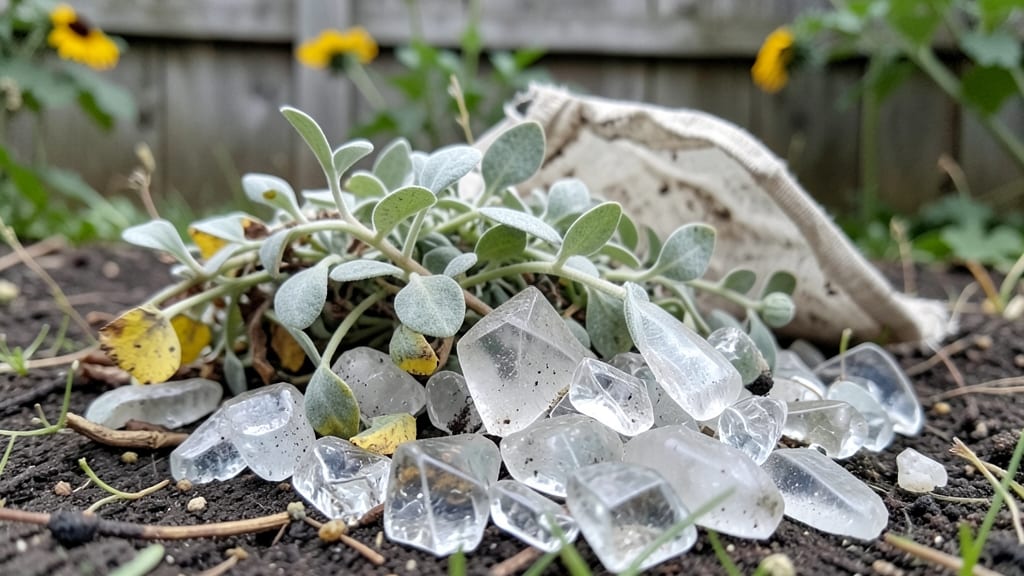
Incorporating glass into your garden turns ordinary spaces into artistic focal points while giving new life to discarded bottles and jars.
Transforming waste into wonder, broken glass bottles and jars can become stunning planters that add charm and sustainability to your garden—without breaking the bank.
Whether you're drawn to the rustic appeal of repurposed jars or the sleek modern look of solarized glass beds, these glass garden plants 🪴 offer endless creative possibilities.
From DIY terrariums to decorative pathways, glass adds texture, light, and even functional benefits like heat retention for delicate seedlings. The best part? You don’t need a green thumb—just a little imagination and some basic tools to get started.
Below, I’ll show you how to safely repurpose glass containers, which plants thrive in them, and easy design ideas to elevate your outdoor (or indoor) space with a touch of elegance.
How to safely repurpose broken glass bottles and jars for planting
Broken glass bottles and jars often end up in recycling bins, but they hold hidden potential as charming planters for your garden. With the right safety precautions and preparation techniques, you can transform these discarded containers into stylish, functional plant homes.
The key lies in sterilizing the glass, sealing edges, and selecting plants that thrive in confined spaces—all while keeping your hands safe from sharp fragments.
Before diving into your upcycling project, gather essential tools like thick gloves, safety goggles, sandpaper, and non-toxic sealant. These items will help you smooth rough edges, remove contaminants, and prevent soil leakage.
Whether you're working with a vintage wine bottle or a mason jar, the process is simple but requires patience to ensure your plants grow healthy and your garden stays safe.
Step-by-Step Guide to Repurposing Glass for Planting
-
Step 1: Collect and Inspect
Gather clean, empty glass containers—avoid those with chips, cracks, or chemical residues. Rinse thoroughly with hot, soapy water to remove labels or debris. Safety first! -
Step 2: Sand the Edges
Wear thick gloves and safety goggles while sanding rough or sharp edges with 120-grit sandpaper. Focus on the rims and seams to create a smooth surface for handling and planting. -
Step 3: Sterilize the Glass
Kill bacteria and fungi by soaking containers in a 1:10 bleach-to-water solution for 10 minutes. Rinse thoroughly with clean water and let air-dry completely on a clean towel or wire rack. -
Step 4: Drill Drainage Holes
Use a small drill bit (1/8 inch) to create 2-3 drainage holes near the base. Place containers on a towel or tray to catch runoff and prevent messes. No holes? Skip planting! -
Step 5: Seal the Rim (Optional)
For wide-mouth jars or bottles, apply a non-toxic silicone sealant around the rim to prevent soil from spilling out. Let it cure for 24 hours before adding plants. Test first! -
Step 6: Add a Liner (For Extra Safety)
Line the inside with plastic nursery pots or coffee filters to protect roots from direct glass contact. This step is optional but ideal for delicate plants like succulents or herbs. -
Step 7: Fill with Soil
Use well-draining potting mix (add perlite or sand for succulents). Fill the container 3/4 full, leaving room for roots to expand. Press gently to eliminate air pockets. -
Step 8: Plant and Water
Transplant your herbs, flowers, or succulents carefully. Water lightly to settle the soil, then place in bright, indirect light. Avoid direct sunlight for the first 24 hours to prevent shock.
Once your glass containers are prepped, they’re ready to become eye-catching planters that double as eco-friendly decor. Place them on patio tables, windowsills, or hanging gardens to maximize their visual appeal.
For extra flair, paint the outsides with non-toxic acrylic paint or wrap them in twine and moss for a rustic touch. Just remember: thin glass can break under pressure, so avoid heavy plants like monstera or ferns.
If you’re worried about glass shattering in freezing temperatures, bury the containers partially in the ground or move them indoors during winter. This trick works wonders for herbs like thyme or rosemary, which thrive in cooler conditions.
For tropical plants like peperomia, keep them near south-facing windows where temperatures stay mild. The key is adapting your glass planters to your climate and plant needs.
Safety is non-negotiable when working with broken glass. Always supervise children and pets around repurposed containers, especially those with sharp edges. Store extra glass pieces in a sealed container labeled "Sharps—Handle with Care" to prevent accidents.
With these precautions, your glass garden will be both beautiful and secure for everyone to enjoy.
Pro tip: Group your glass planters in odd-numbered clusters (3, 5, or 7) for a balanced, natural look. Pair them with metal trays to catch drips and add a modern contrast.
Whether you’re growing basil for your kitchen or lavender for relaxation, your upcycled glass containers will bring sustainability and style to your outdoor space.
🌿Best plants for glass garden containers: what thrives in bottles and jars
Glass containers breathe life into small spaces while adding a touch of whimsy to your garden. The key to success lies in selecting low-maintenance plants that thrive in confined spaces.
Glass planters are perfect for herbs, succulents, and compact flowers—all of which require minimal care and adapt well to the unique conditions of glass.
When choosing plants, prioritize varieties with shallow root systems and moderate water needs. Glass containers can dry out quickly, so drought-tolerant species are ideal. Additionally, plants with small mature sizes ensure they won’t outgrow their glass homes too soon, giving you years of enjoyment.
Drainage is non-negotiable in glass containers. Without proper drainage, roots will suffocate, leading to rot. If your glass jar or bottle lacks holes, create drainage by adding a layer of pebbles or broken terracotta pots at the bottom. This simple trick prevents waterlogging while allowing excess moisture to escape.
Here’s a curated list of the best plants for glass garden containers, along with their care requirements to keep them thriving:
| Plant | Sunlight Needs | Water Needs | Mature Size | Notes |
|---|---|---|---|---|
| Succulents (e.g., Haworthia, Echeveria) | Bright, indirect light (3-6 hrs/day) | Drought-tolerant; water every 2-3 weeks | 2-6 inches tall | Perfect for small jars; minimal care |
| Mint or Basil (herbs) | Full sun (6+ hrs/day) | Keep soil moist but not soggy; water daily | 12-18 inches tall | Great for kitchen gardens; prune often |
| African Violet (flowers) | Bright indirect light (avoid direct sun) | Water when topsoil is dry; mist leaves | 6-12 inches tall | Blooms year-round with consistent care |
| Lettuce (leafy greens) | Partial shade (3-4 hrs/day) | Keep soil consistently moist; water daily | 6-12 inches tall | Harvest leaves as needed; fast-growing |
| String of Pearls (succulent) | Bright light (4-6 hrs/day) | Low water; water every 3-4 weeks | 6-12 inches long (trailing) | Ideal for hanging bottles; unique texture |
For herbs like mint or basil, place your glass containers in a sunny windowsill or patio where they’ll receive at least 6 hours of sunlight daily. These plants grow quickly and will reward you with fresh flavors for salads, teas, or cocktails.
Just be mindful of their aggressive growth—prune regularly to keep them contained.
If you’re drawn to succulents like Haworthia or String of Pearls, opt for a glass container with a wider mouth to accommodate their spread. These plants thrive on neglect, making them perfect for busy gardeners.
Just ensure they get enough light to prevent leggy growth, which occurs when they stretch toward dim windows.
To maximize the lifespan of your glass planters, rotate them occasionally so all sides receive even sunlight. This prevents uneven growth and ensures your plants stay lush and healthy.
With the right plants and care, your glass garden containers will become a stunning focal point that adds both beauty and functionality to your space. 🌱