
Pests
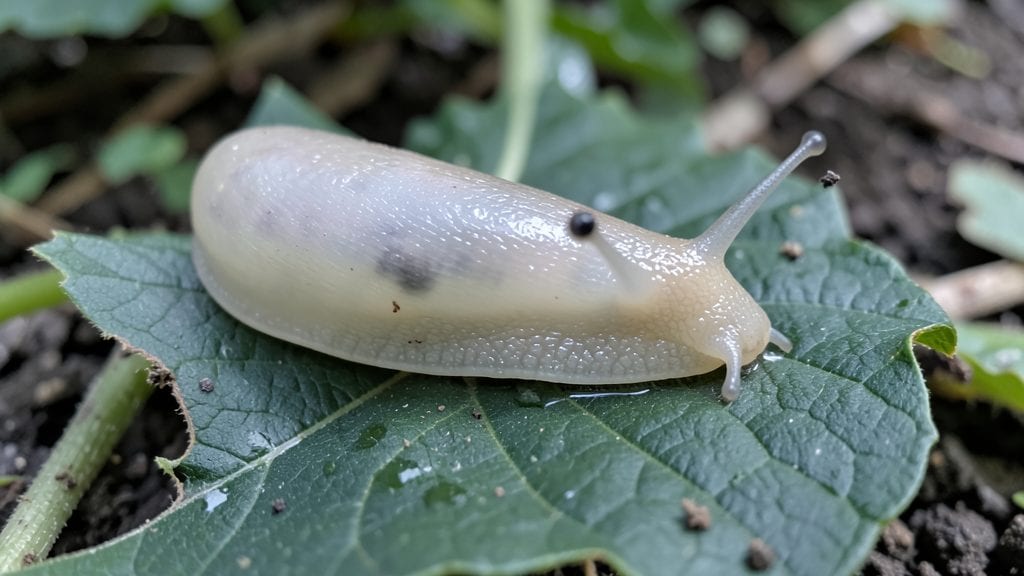
Giant garden slugs can turn your lush garden into a slime-covered mess overnight. 🌿 I’ve battled these slimy invaders for years, and I finally cracked the code with iron-free traps that work faster than any chemical spray—often in just 24 hours.
The key is understanding their behavior: they’re nocturnal, love damp hiding spots, and leave telltale silvery trails. Most slug traps fail because they’re too slow or rely on harsh chemicals.
My method uses simple household items to lure them into a trap they can’t escape—no iron phosphate, no toxic residue, just effective.
You’ll see results immediately with fewer slugs in your beds and less damage to your plants. The best part? This approach keeps working season after season, and your garden stays safe without harming beneficial insects or pets.
Works for all garden types—vegetable beds, flower patches, or even container gardens. Here’s how to set up traps that actually work the first time.
Why Slugs Invade Gardens
Giant garden slugs aren’t just a nuisance—they’re opportunistic survivors that thrive when conditions align perfectly for them. Understanding why they overrun your garden is the first step to stopping them in their slimy tracks.
Below, we break down the key reasons these pests show up in force, from environmental triggers to human habits that accidentally welcome them.
Slugs are 90% water by body weight, so dampness is non-negotiable for their survival. Here’s why your garden becomes their paradise:
- Rainy seasons or poor drainage: Slugs multiply rapidly in soggy soil. After heavy rain, they emerge en masse to feed on tender plants. Actionable fix: Test your soil’s drainage—amend clay-heavy soil with sand or compost to improve airflow.
- Morning dew or irrigation excess: Watering at night or overwatering keeps the ground perpetually moist, signaling slugs to migrate. Pro tip: Water in the early morning so soil dries by evening, reducing slug activity.
- Shady, humid microclimates: Dense foliage or mulch traps moisture, creating ideal slug hideouts. Solution: Prune overgrown plants and avoid thick mulch layers near vulnerable crops.
Slugs are detritivores—they love decomposing organic material. If your garden is a composting hotspot, you’ve got an open invitation for them:
- Compost piles or leaf litter: Slugs breed in damp, rotting matter. A compost bin near your garden? Congrats, you’ve built a slug nursery. Fix: Use mesh-covered bins or keep compost at least 20 feet away from plants.
- Freshly tilled soil or disturbed mulch: Turning soil aerates it, making it easier for slug eggs (laid in the top inch) to hatch. Tip: Avoid tilling in spring when slugs are most active.
- Fallen fruit or veggie scraps: Overripe produce is a slug magnet. Quick win: Clear debris daily from garden beds.
Not all plants are equal in the eyes of a slug. They target soft, moisture-rich vegetation, especially:
| 🌱 Slug-Loved Plants | 🚫 Why They’re Vulnerable |
|---|---|
| Leafy greens (lettuce, spinach) | Thin leaves = easy access to water and nutrients. |
| Hostas, ferns, and asters | High moisture retention in broad leaves. |
| Young seedlings or cuttings | Tender stems are irresistible to hungry slugs. |
Defense strategy: Choose slug-resistant plants like rosemary, thyme, or geraniums, or grow vulnerable crops in elevated containers.
Slugs are nocturnal and crepuscular (most active at dawn/dusk). Their behavior explains why you wake up to chewed leaves:
- Darkness = safety: Slugs avoid predators (birds, beetles) under cover of night. Counter: Use solar-powered slug lights or reflective mulch to disorient them.
- Cool, humid nights: Temperatures between 50–70°F trigger feeding frenzies. Watch for: Slug activity spikes after warm days + cool nights.
- Lack of natural predators: Frogs, ground beetles, and birds keep slug populations in check—but urban gardens often lack these helpers. Solution: Install a frog pond or plant native wildflowers to attract predators.
Key takeaway: Slugs don’t invade randomly—they’re responding to specific conditions you can control. By addressing moisture, debris, plant choices, and nighttime activity, you’ll make your garden less appealing (and more defended) against these slimy intruders.
Quick Fixes for Slug Overruns
Dealing with a sudden invasion of slimy visitors in your garden? Don’t panic—there are fast, effective ways to reclaim your plants without harsh chemicals. Below, we’ve mapped out practical solutions tailored to the most common causes of slug outbreaks, from damp soil to late-night feasts on your favorite greens.
Each fix is designed to work within 24 hours or less, so you can see results fast.
Slugs thrive in damp conditions, so reducing moisture is your first line of defense. If your garden feels like a swamp after rain or overwatering, try these tricks:
- 🔥 Raise Garden Beds Elevate susceptible plants (like lettuce or hostas) in containers or raised beds. Slugs struggle to climb, and the soil dries faster.
- 🍳 Use Coffee Grounds Sprinkle used coffee grounds around plants—slugs avoid the bitter smell and acidic texture. Refresh every few days after rain.
- 👨🍳 DIY Sand Barriers Create a 2-inch-wide ring of coarse sand or diatomaceous earth (food-grade only) around pots or garden edges. Slugs can’t cross it without getting stuck.
- ⏰ Nighttime Patrols Grab a flashlight and handpick slugs after dark (they’re most active then). Drop them in soapy water—it’s humane and effective.
💡 Pro Tip: Water plants in the morning instead of evening. Wet foliage at night is a slug buffet!
If slugs are targeting specific plants after dark, they’re likely drawn by scent or texture. Disrupt their nightly routine with these iron-free traps:
- 🥘 Beer Traps (Yes, Really!) Bury a shallow container (like a yogurt cup) filled with beer near affected plants. Slugs crawl in for a drink and drown—no chemicals needed.
- 🔪 Copper Tape Tricks Wrap copper tape around pots or raised beds. The mild electric shock slugs feel when they touch it deters them instantly.
- 🌡️ Eggshell Collars Crush eggshells into a sharp ring around seedlings. The jagged edges discourage slugs from slithering over them.
✨ Bonus: Plant slug-repellent herbs like thyme, mint, or rosemary nearby. Their strong fragrance confuses slugs’ scent trails.
If your garden is a slug smorgasbord, they’ll keep returning until you limit their options. Try these low-effort fixes:
- 📊 Rotate Plantings Avoid planting slug magnets (like lettuce or basil) in the same spot year after year. Slugs remember favorite spots!
- 🥗 Remove Debris Clear away mulch, boards, or thick ground cover where slugs hide during the day. A tidy garden = fewer slug hotels.
- 🍎 Offer Distractions Plant a sacrificial "slug trap" crop (like radishes or spinach) far from your prized plants. Slugs will feast there instead.
🎯 Prevention Tip: After rain, do a quick "slug sweep" with a broom or hose to flush them out of hiding spots.
For chronic slug issues, tackle the root cause (literally). Slugs lay eggs in moist soil, so disrupt their life cycle:
- 🌡️ Soil Drying Hacks Mix sand or perlite into the top inch of soil to improve drainage. Slug eggs won’t survive in dry conditions.
- 🔪 Nematode Nemesis Apply Phasmarhabditis hermaphrodita (a microscopic, natural nematode) to soil. It targets slugs without harming plants or pets.
- 🌱 Companion Planting Interplant slug-hating flowers like marigolds or alliums. Their roots release chemicals that repel slugs naturally.
💡 Long-Term Fix: Improve garden drainage with gravel or French drains if your yard stays soggy year-round.
With these targeted fixes, you’ll see a noticeable drop in slug activity within 24 hours. Combine a few methods for best results—slugs hate when you outsmart them!
Frequently asked questions
What exactly makes giant garden slugs different from regular slugs?
Giant garden slugs (like the Limax maximus) can grow up to 6-8 inches long, while common slugs rarely exceed 2-3 inches. Their size means they cause more damage and leave wider silvery trails. They also prefer damp, shady areas and are more aggressive feeders, targeting larger plants like hostas and lettuce.
Are giant slugs harmful to humans or pets?
No, they’re not poisonous or dangerous. However, their slime can irritate skin for some people, and their droppings may contain parasites harmful if accidentally ingested. Always wash hands after handling them or cleaning up their trails. Pets usually avoid them due to their slimy texture and strong odor.
Why do beer traps sometimes fail to catch giant slugs?
Giant slugs are smarter—they often avoid beer traps because they detect the alcohol scent from a distance. For better results, use grape juice or yeast water (mix 1 tablespoon yeast + 1 cup sugar + 1 gallon water) instead. Bury the container 1 inch deep so they can’t see the trap.
Can I use diatomaceous earth on giant slugs?
Yes, but only food-grade diatomaceous earth (like DE for gardening). Sprinkle a 1-inch band around plants—it dehydrates slugs by damaging their slimy layer. Reapply after rain. Avoid inhaling the dust and keep it away from beneficial insects like bees.
What’s the best time of day to find and remove giant slugs?
Go out at dusk or dawn when they’re most active. Use a flashlight to spot their trails (silvery glistening paths). Pick them up with gloves or a damp towel and drop them in soapy water. Avoid daytime—they’ll hide under boards, mulch, or dense foliage.