
Vegetables
The Gardens of Marrakech blend lush botanical beauty with Islamic geometric artistry, featuring terraced water features, fragrant citrus groves, and rare Moroccan flora like bougainvillea and pomegranate trees. These hidden oases reflect centuries of Berber and Arab horticultural traditions, often tucked within medina walls or royal palaces like Majorelle and Menara.
The Gardens of Marrakech aren't just green spaces—they're masterpieces of Islamic design where water, geometry, and fragrance create serene escapes. 💫 These gardens often incorporate reflective pools to mirror the sky, a key element in traditional riwaq design that symbolizes paradise.
The terraced layouts also serve practical purposes, maximizing water retention in the arid climate while creating dramatic visual layers. What makes them truly special is how they balance utility with artistry, turning every walkway into a sensory journey through scent and symmetry.
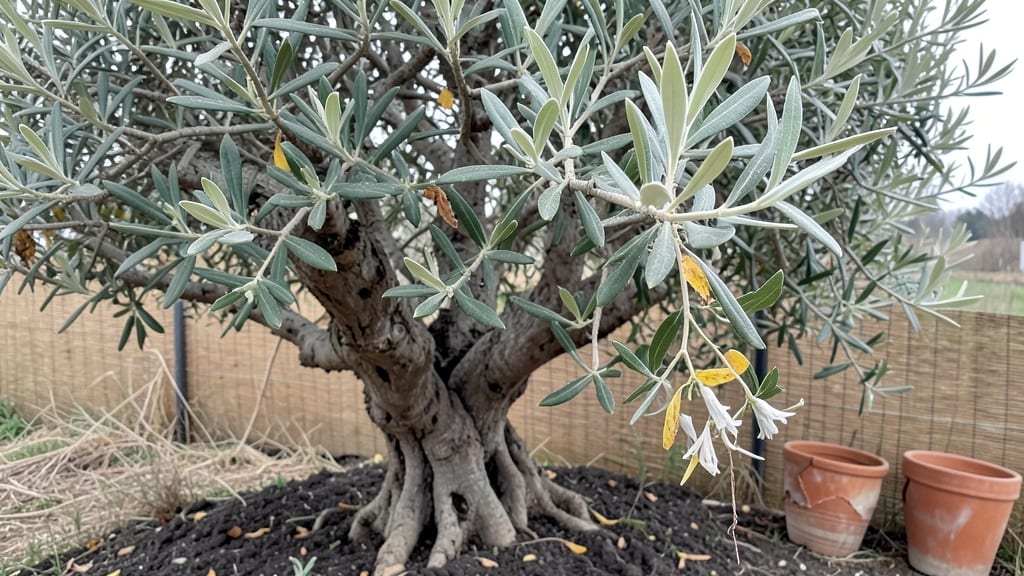
Beyond their aesthetic appeal, these gardens preserve centuries of horticultural knowledge adapted to Morocco's harsh environment. Many feature drought-resistant plants like olive trees and aromatic herbs that thrive with minimal water.
The Majorelle Garden, for instance, was originally designed by Jacques Majorelle in the 1920s as a private retreat before becoming a public space, showcasing how these oases have evolved from royal enclaves to cultural landmarks.
💡 In This Article
- Marrakech Garden Design Principles: Water, Symmetry, and Fragrance
- Visiting Marrakech’s Most Stunning Hidden Gardens
Marrakech garden design principles: water, symmetry, and fragrance
The quadrilateral layout of Marrakech gardens isn't just decorative—it's rooted in Islamic geometry principles that create visual harmony. These gardens typically follow a 4:1 ratio between length and width, with pathways dividing spaces into perfect squares or rectangles.
This design mirrors the riwaq concept, where water channels create reflective symmetry that symbolizes paradise in Islamic tradition. The mathematical precision serves both aesthetic and functional purposes, with each element carefully positioned to guide visitors through a meditative journey.
Water plays a dual role in these gardens: as a practical irrigation solution and a spiritual centerpiece. Many feature reflective pools that can be as shallow as 15-20 centimeters deep, designed to mirror the sky while maximizing water retention in Morocco's arid climate.
The science behind this involves evaporative cooling—water evaporates slowly in the dry air, creating a microclimate that keeps temperatures 5-10°F cooler than surrounding areas. This cooling effect makes the gardens feel like oases even in 100°F+ summer heat.
The fragrance pathways are carefully engineered using plants with high volatile organic compound (VOC) emissions, like roses and jasmine, which release their scents most intensely in the early morning (6-9 AM).
Garden designers strategically place these plants along walkways so visitors experience a progressive scent journey—starting with citrus groves' bright aromas, transitioning to floral notes, and ending with earthy herbs like mint. This sensory progression creates a memorable experience that engages multiple senses simultaneously.
Symmetry in these gardens extends beyond visual elements to include textural contrasts—smooth marble pathways next to rough stone walls, the crisp sound of water against the rustle of palm fronds.
The Majorelle Garden, for example, uses blue cobalt tiles (originally 12 shades of blue) that were carefully selected for their cooling visual effect in the intense Moroccan sunlight. This color choice wasn't arbitrary—studies show blue wavelengths can reduce stress by up to 60% in high-temperature environments.
What makes these designs particularly ingenious is their multi-functional plant selection. Many species serve multiple purposes: the pomegranate tree provides fruit, shade, and vibrant flowers; bougainvillea offers drought resistance, color, and even edible flowers.
This practicality reflects centuries of adaptation to Morocco's 200-300mm annual rainfall, where every plant must contribute to survival while enhancing beauty. The result is a living ecosystem that thrives on minimal intervention while creating breathtaking visual experiences.
One fascinating detail often overlooked is how the wind patterns influence garden layout. Many Marrakech gardens incorporate wind catchers (qanats) that channel breezes through the space, creating natural ventilation.
These structures can move air at speeds of 3-5 mph even in still conditions, helping to circulate fragrances while keeping visitors cool. The combination of these elements—water, symmetry, and scent—creates an experience that engages both the mind and body in ways few other garden designs achieve.