Vegetables
Gainesville gardens thrive where others struggle—humid subtropical climates demand the right plants and smart layouts to stay lush all year. 🌿 I’ve walked through local botanical gardens and neighborhood landscapes where palmettos, coontie, and firebush create natural focal points that survive Florida’s heat and occasional droughts.
The secret isn’t just choosing tough plants; it’s arranging them so shade follows sun, mulch conserves moisture, and native pollinators have a buffet.
Public spaces like the Kanapaha Botanical Gardens prove you don’t need a sprawling yard—just a few well-placed specimens to transform a small plot. Think sabal palms for height, muhly grass for texture, and blanket flowers for bursts of color that last from summer into frost.
Even in Gainesville’s 90-degree afternoons, these plants stay vibrant with minimal fuss. The key? Grouping plants by water needs and letting the toughest species anchor the design.
You’ll end up with a garden that feels effortless—fragrant jasmine climbing trellises, turkey oak providing dappled shade, and shrimp plants adding pops of red even in winter.
Local nurseries like Native Nurseries stock everything you need, and the Alachua County Master Gardeners offer free soil tests to dial in your beds. This isn’t just gardening; it’s creating a slice of Florida’s wild beauty that thrives without fighting the climate.
Whether you’re revamping a front yard or a balcony pot, these layouts adapt to any space. The real magic happens when you let the plants do the work—once established, they’ll outlast fads and weather shifts. Ready to see how Gainesville gardens stay stunning through every season?
📚 In This Guide
- What you need
- Instructions
- Tips and common mistakes
- Wrapping up and next steps
What you need
- ● Soil: Native Florida topsoil (2–3 cubic yards, depending on garden size)
- ● Compost (1–2 bags per 10 sq. ft. for enriching soil)
- ○ Optional: Pine bark fines (for acid-loving plants like blueberries or azaleas)
- ● Plants: Native Florida plants (e.g., Sabal palmetto, Coreopsis, Asclepias for butterflies)
- ● Vegetable starts (tomatoes, peppers, squash—check local Gainesville nurseries for heat-tolerant varieties!)
- ○ Optional: Florida-friendly ground covers (e.g., Frogfruit or Horseherb)
- ● Watering: Drip irrigation kit (for efficient watering; ~$30–$50)
- ● Soaker hoses (10–20 ft. length)
- ○ Optional: Rain barrels (to collect water and save on costs!)
- ● Garden trowel (for planting small seeds)
- ● Pruners (bypass pruners for clean cuts)
- ● Garden gloves (heavy-duty for thorny plants)
- ● Wheelbarrow (for hauling soil or mulch)
- ○ Optional: Soil pH tester (to ensure Florida-Friendly conditions)
- ● Kneeling pad (for comfort during planting)
- ● ✅ Check local regulations: Verify Gainesville’s watering restrictions and native plant guidelines.
- ● 💡 Test your soil: Florida’s sandy soil drains fast—amend with compost to retain moisture.
- ● 🌡️ Timing matters: Plant in early spring (Feb–March) or late summer (Aug–Sept) to avoid peak heat.
- ● 🎯 Mulch like a pro: Use 2–3 inches of pine straw or cypress mulch to conserve water and suppress weeds.
Instructions: designing Florida-friendly garden layouts for Gainesville’s climate
Here’s how to create a garden that thrives year-round in Gainesville’s humid subtropical conditions.
🌿 Step 1: Plan for Sun and Shade Zones
Gainesville’s climate demands strategic layering of sun and shade. Start by mapping your yard’s sunlight patterns—most areas receive 6-8 hours of direct sun daily, but afternoon shade is critical in summer. Use native trees like southern live oak or sabal palm to create natural shade zones where delicate perennials like impatiens or coleus can flourish.
Divide your space into three zones: full sun (6+ hours), partial shade (3-6 hours), and deep shade (less than 3 hours). Sketch this on paper before planting—it’s the foundation of a Florida-friendly layout. I always mark zones with colored flags to visualize transitions before digging.
☀️ Step 2: Layer Plants by Height and Seasonal Interest
Layering ensures year-round visual appeal while supporting local ecosystems. Begin with tall natives like muhly grass or saw palmetto at the back, followed by medium-height shrubs such as firebush or coffee senna, and finish with low ground covers like frogfruit or horse mint. This structure prevents competition for light and water.
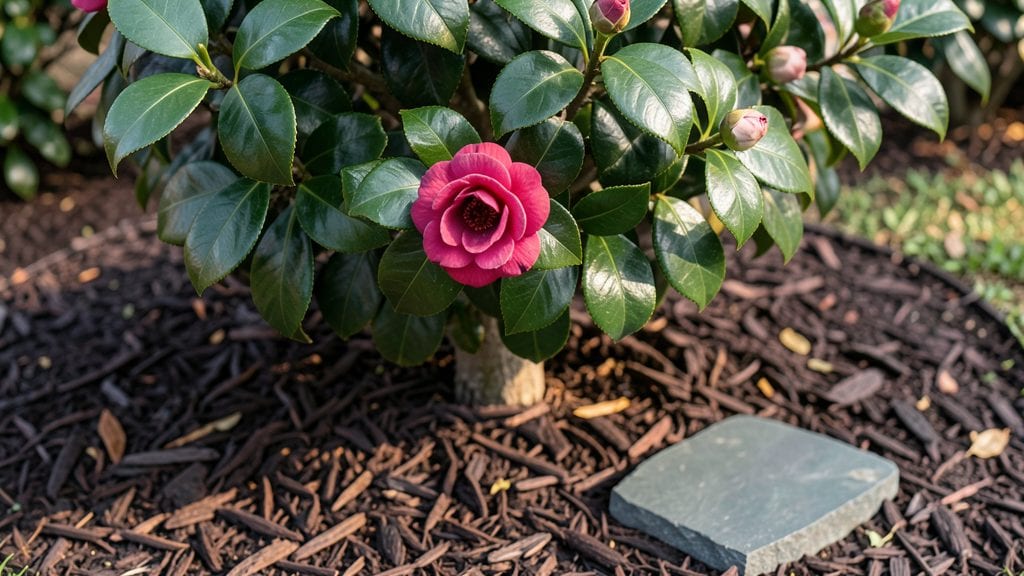
Include plants that bloom in every season—salvia for spring, blanket flower for summer, plumbago for fall, and camellia for winter. I like to group plants with similar water needs together; for example, yucca and agave thrive in dry areas, while liriope and sedge prefer moister spots.
💧 Step 3: Install Irrigation for Drought Resilience
Gainesville’s clay soil drains poorly, so efficient irrigation is key. Install drip irrigation or soaker hoses along plant beds to deliver water directly to roots, reducing waste. Space emitters 12-18 inches apart and bury them slightly to prevent clogging. Use a rain sensor to shut off systems during storms—this saves water and prevents root rot.
Mulch with 3-4 inches of pine bark or wood chips to retain moisture and regulate soil temperature. Replenish mulch annually, especially after heavy rains, which can wash it away. I always check mulch depth in early spring—if it’s less than 2 inches, I top it off immediately.
🪴 Step 4: Incorporate Florida-Friendly Hardscapes
Reduce maintenance and improve drainage with hardscapes like permeable pavers or gravel paths. These allow rainwater to seep into the ground, replenishing aquifers and reducing runoff. Add native stone or recycled concrete for a low-maintenance, drought-tolerant look that blends with the landscape.
Include raised beds for vegetables and herbs to improve drainage and extend growing seasons. Fill them with sandy loam mix (available locally) to mimic Gainesville’s natural soil while preventing compaction. I line beds with hardware cloth to deter gophers—a common issue in Florida gardens.
✂️ Step 5: Prune and Maintain for Long-Term Health
Prune once a year in late winter or early spring, just as new growth begins. Remove dead or diseased branches first, then shape shrubs to encourage airflow. For example, firebush benefits from light pruning after flowering to maintain its compact form. Avoid heavy pruning in summer, which stresses plants during peak heat.
Fertilize sparingly—Gainesville’s soil is often nutrient-rich, and over-fertilizing can harm native plants. Use slow-release, organic fertilizer in early spring, following package rates. I test soil every 2-3 years to adjust pH if needed; most Florida natives prefer slightly acidic to neutral soil (pH 6.0-7.0).
Tips & tricks for perfect Florida-friendly garden layouts
Creating a thriving garden in Gainesville’s unique climate takes more than just planting—it’s about working with nature’s rhythms. Here are my hard-earned insights to help you design a landscape that’s both beautiful and resilient.
Sunlight Mapping: The 6-8 hours of direct sun mentioned in Step 1 is your golden window for sun-loving plants like muhly grass or firebush. I recommend using a simple app or even a white board to track sunlight patterns throughout the day—especially those critical afternoon shadows that can make or break your shade-loving perennials. Place your shade markers (like southern live oak) where the sun hits fiercest between 12-3 PM, as this is when Gainesville’s heat becomes most intense.
Layering Like a Pro: When creating your three zones (full sun, partial shade, deep shade), think vertically too. In Step 2, I suggest starting with tall natives, but don’t forget to leave space between layers—aim for at least 12-18 inches between each stratum. This prevents competition and creates microclimates that support different plant needs. For example, your yucca at the back will cast different shadows than your frogfruit at the front, creating natural transitions.
Irrigation Intelligence: The 12-18 inch spacing for emitters in Step 3 is perfect, but here’s the secret: bury them just enough so they’re level with the soil surface after settling. I’ve seen too many systems fail because emitters were too exposed. Also, consider adding a backflow preventer to your rain sensor setup—it’s a small investment that protects your system from potential damage during heavy storms, which are inevitable in Gainesville’s rainy season.
Mulch Maintenance: That 3-4 inch mulch layer in Step 3 deserves special attention. After heavy rains (which Gainesville gets plenty of), I check mulch depth every 2 weeks—not just in spring. A good rule of thumb: if you can see bare soil between mulch pieces, it’s time to refresh. For extra insurance against erosion, I recommend adding a layer of straw mulch on top of your pine bark—it’s lightweight and washes away less during those sudden summer downpours.
Pro Tips for Gardens In Gainesville
- Creating a thriving garden in Gainesville’s unique climate takes more than just planting—it’s about working with nature’s rhythms.
- Sunlight Mapping: The 6-8 hours of direct sun mentioned in Step 1 is your golden window for sun-loving plants like muhly grass or firebush.
- Layering Like a Pro: When creating your three zones (full sun, partial shade, deep shade), think vertically too.
Frequently asked questions
Got questions about creating or maintaining a Florida-friendly garden in Gainesville? Here are some common ones—and their answers!
What’s the best time to plant a vegetable garden in Gainesville?
Gainesville’s warm climate means you can plant year-round, but timing matters! Start cool-season crops (like lettuce, spinach, or broccoli) in late summer (August–September) for fall harvests. Warm-season crops (tomatoes, peppers, squash) thrive when planted in spring (March–April) after the last frost. For year-round success, use seasonal rotation and shade cloth in peak summer.
How often should I water my Gainesville garden?
Gainesville’s sandy soil drains quickly, so water deeply 2–3 times per week (more in summer heat). Early morning is best to reduce evaporation and fungal risks. Use drip irrigation or soaker hoses to save water and keep roots moist. Mulch heavily (3–4 inches) to retain moisture and suppress weeds.
What pests should I watch for in Gainesville gardens?
Common culprits include squash bugs, aphids, and whiteflies (especially in summer). Armored scale and mealybugs also target citrus and ornamentals. Start with preventive measures: neem oil, row covers, and beneficial insects (like ladybugs). For severe infestations, try organic pesticides or consult UF/IFAS Extension for localized advice.
Can I grow vegetables in containers in Gainesville?
Gainesville’s short growing season for some crops makes containers a great option. Choose large pots (5+ gallons) for tomatoes, peppers, or herbs, and ensure they have drainage holes. Use lightweight potting mix and fertilize every 4–6 weeks. Dwarf or bush varieties (like ‘Tiny Tim’ tomatoes) thrive in containers. Place pots in sunny spots and move them to avoid afternoon shade in summer.
How do I protect my garden from Gainesville’s summer heat?
Beat the heat with these tips: Use shade cloth (30–50%) for delicate plants, mulch generously to cool soil, and water at the roots (not leaves) to avoid scorching. Choose heat-tolerant varieties like ‘Solar Fire’ peppers or ‘Heatmaster’ tomatoes. Prune plants to improve airflow, and consider afternoon shade for seedlings or greens.
Wrapping up and next steps
Gainesville’s gardens prove that year-round beauty is achievable—whether you’re nurturing vibrant veggies, native plants, or drought-resistant landscapes. With Florida-friendly layouts, you can create a thriving outdoor space that’s both eco-conscious and stunning. 🌿✨
Ready to roll up your sleeves? Start small—pick one section of your garden to transform this weekend, or sketch a dream layout inspired by Gainesville’s top designs. Every seed planted (or stone placed) is a step toward a greener, more vibrant future!