
Advice
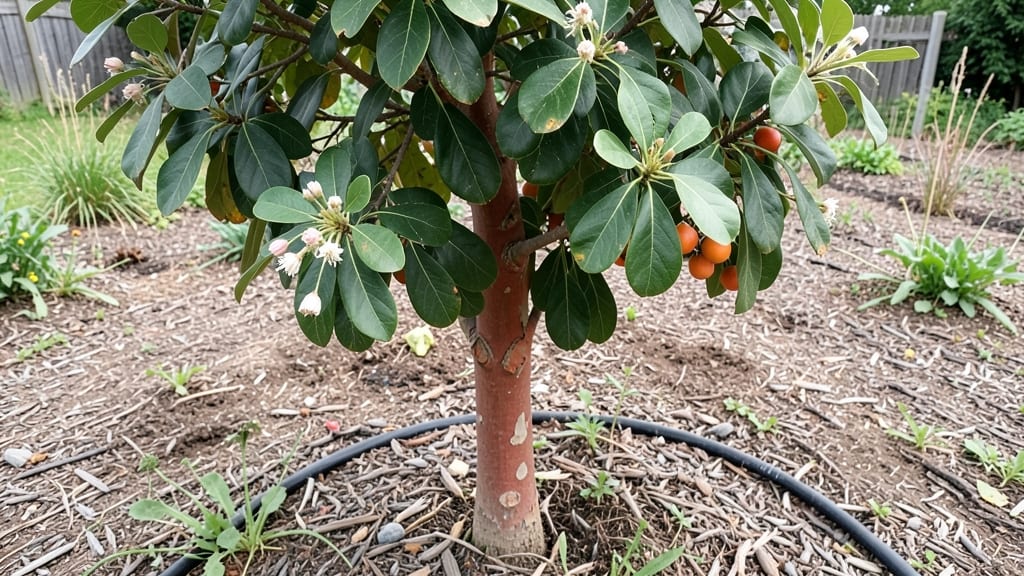
Gardening in Northern California thrives with drought-tolerant natives like ceanothus and manzanita, coastal-friendly succulents, and Mediterranean herbs. Microclimates demand zonal planning—cooler coastal zones favor ferns and rhododendrons, while inland areas support citrus and olive trees. Prioritize soil amendments for clay-heavy regions and mulch to retain moisture in summer heat.
Northern California's diverse geography—from the foggy coastlines to the sunbaked Central Valley—creates unique growing challenges.
The key to success lies in understanding these microclimates: coastal areas enjoy milder winters but require wind protection, while inland zones bake under summer sun and need deep-rooted plants to survive. 🌿 I've found that even within a single county, backyard conditions can shift dramatically—what thrives in a San Francisco garden might struggle just 30 miles inland.
This is why native plants like ceanothus (which handles both drought and poor soil) become game-changers for local gardeners.
Beyond plant selection, soil preparation makes all the difference in this region. The heavy clay soils common in many areas can be transformed with compost and gypsum amendments, while mulching becomes essential during our dry summers. My personal trick?
Using 3-4 inches of wood chips around Mediterranean herbs keeps them thriving through heatwaves while suppressing weeds. The best part? These same techniques work for both container gardens and full-yard landscapes, making them accessible for everyone from urban apartment dwellers to rural homesteaders.
💡 In This Article
- Northern California Microclimates and Their Ideal Plant Zones
- Top Low-Maintenance Plants for Northern California Gardens
Northern California microclimates and their ideal plant zones
Here's what's actually happening with Northern California's temperature shifts: The Pacific Ocean creates a massive cooling effect through coastal fog, which can drop daytime temperatures 10-15°F lower than inland areas just 30 miles away.
This fog layer, often called the "June Gloom," persists until afternoon sun burns it off—creating a unique growing window. Meanwhile, inland regions experience USDA hardiness zones 7b-9a, while coastal areas range from 8b-10a, with San Francisco's foggy neighborhoods often reaching zone 10a despite being at sea level.
The science behind this involves ocean currents and elevation. The California Current brings cold water northward, while the Sierra Nevada mountains create a rain shadow effect—blocking moisture and creating arid conditions east of the coastal range.
At 500 feet elevation, you'll notice a dramatic shift: coastal rhododendrons thrive while inland olive trees flourish. This elevation change also affects frost risk—coastal areas rarely drop below 30°F, while inland valleys can experience 20°F dips, requiring frost-tolerant varieties like 'Arbequina' olives instead of Mediterranean standards.
What most people don't realize is how these microclimates influence water needs. Coastal gardens might need 1-2 inches of water weekly during summer, while inland areas require deep watering every 10-14 days to reach roots 2-3 feet below.
The key factor is soil moisture retention—coastal clay holds water longer, while inland sandy soils dry out faster. My personal observation? Even drought-tolerant plants like ceanothus need 30% less water in foggy coastal zones compared to inland plantings.
Seasonal planting windows vary wildly too. Coastal areas can plant warm-season crops like tomatoes 2-3 weeks earlier than inland zones, while frost-sensitive plants like bougainvillea stay green year-round near the coast but need winter protection inland.
The fog also extends growing seasons—coastal strawberries often produce two harvests annually where inland gardens get just one. This is why local nurseries carry coastal-specific varieties of familiar plants, like fog-tolerant 'Seascape' roses that wilt inland without afternoon misting.
Consider these key factors when planning your garden layout:
- Coastal (Zones 8b-10a): Prioritize wind protection (fences, hedges) and choose plants that tolerate high humidity and salty air like coastal strawberries and sea thrift
- Inland Valleys (Zones 7b-9a): Focus on deep-rooted perennials that handle 100°F+ summers, such as toyon berries and California buckwheat
- Mountain Foothills (Zones 7a-8a): Plant acid-loving natives like manzanita and huckleberries that thrive in well-draining rocky soils
The best part? These microclimate patterns create opportunities for year-round gardening. While coastal gardeners enjoy spring and fall growing seasons, inland areas get longer summer harvests for heat-tolerant crops.
My 3-inch wood chip mulch trick works equally well for both zones—just adjust watering frequency based on your specific microclimate. 🌿
Remember this rule of thumb: If you're within 5 miles of the coast, your garden behaves more like a Mediterranean climate. Move 20 miles inland, and you're suddenly in a semi-arid zone that needs different plant choices.
This is why local extension offices always ask for your exact location—it's not just about the county, but the specific microclimate in your backyard.