Advice
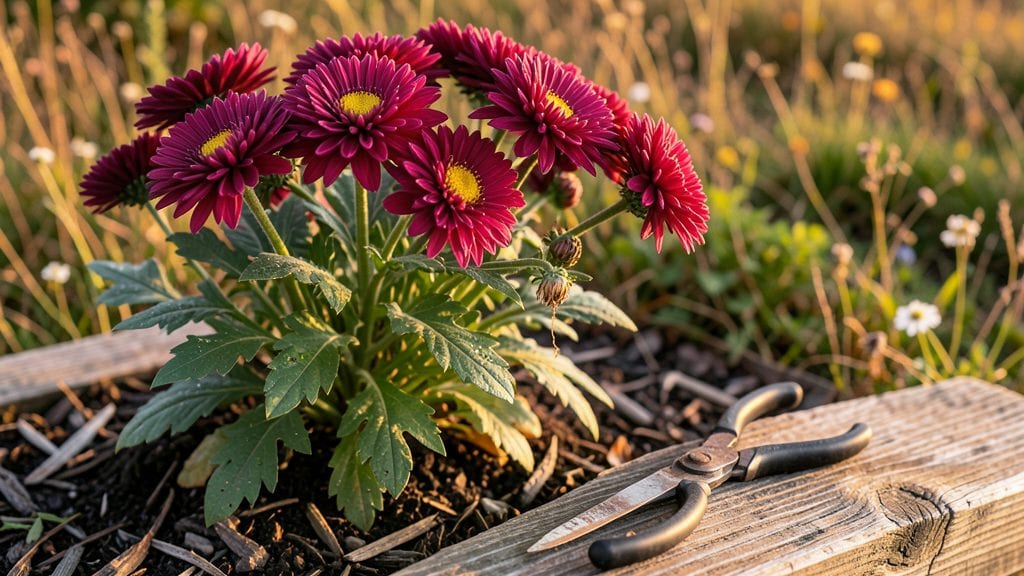
September gardening isn’t about slowing down—it’s about setting the stage for next year’s success while still harvesting fall treats. 🌱 I remember the first time we planted garlic in late September and watched it overwinter into a bumper crop; that’s the magic of this month.
The air smells like crisp mornings and damp earth, signaling it’s time to plant cool-season crops that thrive in milder weather.
This is your last chance to sow spinach, kale, and carrots before winter sets in, plus the perfect time to divide perennials and prep your garden beds. You’ll need a few basic tools—a trowel, compost, and maybe some row covers—but the payoff is worth it.
Even in small spaces, container gardens can produce fresh greens through the cold months, and dividing perennials now means stronger plants next spring.
By the time frost arrives, you’ll be harvesting crisp lettuce, tender radishes, and maybe even a few late tomatoes. The soil stays warm enough for new growth, and the cooler weather reduces pest pressure.
It’s a quiet kind of productivity—no more fighting summer’s heat, just steady progress toward next year’s garden dreams.
Whether you’re in a cold climate or a mild one, September’s tasks adapt to your zone. Northern gardeners focus on cold-hardy crops and winter prep, while southerners might squeeze in one more planting before the rains come.
The key is working with your local climate, not against it. Let’s make the most of these golden weeks before winter takes over.
📚 In This Guide
- What you need
- Instructions
- Tips and common mistakes
- Wrapping up and next steps
What you need
- ● Seeds: Choose cold-hardy varieties like kale, spinach, carrots, lettuce, radishes, and broccoli. Aim for organic, non-GMO seeds for the best results.
- ● Seedlings: Buy healthy transplants of greens, herbs (parsley, cilantro), and root vegetables from a trusted nursery.
- ● Compost or Organic Fertilizer: 2–3 cups per planting hole or spread 1–2 inches over garden beds before tilling.
- ● Mulch: Straw or shredded leaves (2–3 inches thick) to retain moisture and suppress weeds.
- ● Garden Gloves: A durable pair to protect your hands from thorns, dirt, and blisters.
- ● Hand Trowel: For digging small holes and transplanting delicate seedlings.
- ● Pruners: Sharp, bypass-pruners for trimming dead foliage or harvesting.
- ● Watering Can or Hose: A gentle spray nozzle to avoid disturbing seedlings.
- ● Row Cover or Frost Blanket: Lightweight fabric to protect tender plants from early frosts.
- ● Soil Test Kit: Check pH levels—aim for 6.0–7.0 for most cool-season crops.
- ● Cold Frame or Mini Greenhouse: Extend the growing season for heat-loving plants like tomatoes.
- ● Plant Markers: Label seeds with their names and planting dates to stay organized.
- ● Knee Pads or Stool: Save your back during long planting sessions!
- ● Organic Pest Deterrents: Neem oil or diatomaceous earth to keep pests at bay.
Step-by-Step guide to late-season planting for fall harvests
September is your second chance—plant these cold-hardy crops now for a bountiful fall harvest.
🌱 Step 1: Prepare the Soil for Cool-Season Crops
Test your soil's pH and fertility first—cool-season crops like spinach and kale thrive in slightly acidic to neutral soil (pH 6.0-7.0). Work in 2-3 inches of compost from your materials list to improve drainage and nutrient availability. I like to mix it in with a garden fork until the soil looks dark and crumbly.
If your soil feels compacted, add 1 inch of coarse sand to help roots penetrate easily. Rake the surface smooth afterward—you want a fine, even bed for seeds or transplants. This prep ensures your plants establish quickly before cooler temperatures slow growth.
🌿 Step 2: Choose the Right Crops for Your Region
Pick crops that mature in 45-60 days—enough time to harvest before the first frost. Fast growers like radishes (25 days) or bush beans (50 days) are perfect for late September planting. I always check my local frost date and count backward to plan accordingly.
For leafy greens, opt for spinach, kale, or lettuce—they handle light frosts better than warm-season crops. If you're in a warmer zone, you might even squeeze in broccoli or cabbage for a late harvest. Space seedlings 12-18 inches apart to allow airflow and prevent disease.
💧 Step 3: Plant at the Correct Depth and Water Deeply
Follow seed packet instructions for depth—usually twice the seed's diameter. For transplants, dig holes just deep enough to cover the root ball completely. Press soil gently around the base to eliminate air pockets, but don’t compact it too much.
Water deeply right after planting—soak the soil until it’s 6 inches down, then let it dry slightly before watering again. This encourages roots to grow downward instead of staying shallow. Mulch with 2-3 inches of straw to retain moisture and regulate soil temperature.
☀️ Step 4: Protect Plants from Early Frost
Use row covers or cold frames from your materials to shield tender crops. Secure the covers with stakes or bricks to prevent wind damage. I’ve found that even a light frost can damage young plants, so I monitor the forecast closely.
If a hard frost is predicted, cover plants before sunset—they’ll trap heat during the day and insulate overnight. Remove covers during the day for airflow to prevent mold. This simple step can extend your harvest by 2-3 weeks in most climates.
⏰ Step 5: Maintain and Harvest Before Frost
Water early in the morning to reduce evaporation and fungal risks. Aim for 1 inch of water per week, adjusting for rain. Harvest leafy greens outer-to-inner to encourage regrowth—this keeps your plants productive until the first hard frost.
For root crops like carrots or beets, check soil moisture regularly—too little water causes cracking. Pull mature vegetables gently but firmly to avoid damaging neighboring plants. With proper care, you’ll enjoy fresh fall harvests straight from your garden.
Tips & tricks for late-season planting success
A few key strategies will help you maximize your September planting for a productive fall harvest.
The Soil Prep Secret: Don't skip the pH test in Step 1—cool-season crops like spinach and kale are particularly sensitive to soil acidity. I've seen plants struggle in soil outside the 6.0-7.0 range, even with perfect compost. If your soil tests too acidic, add a handful of lime per square foot and mix it in before planting. For compacted soil, work in that 1 inch of coarse sand while the ground is still workable—waiting until after planting can create air pockets around roots.
Crop Selection Strategy: When choosing crops in Step 2, prioritize those with shorter maturity times—especially in cooler regions. Radishes (25 days) and bush beans (50 days) are my go-to fast growers for late September. For leafy greens, I always plant kale first since it handles light frosts better than lettuce. Pro tip: Check your local frost date and count backward from harvest time to select crops that will mature before the first hard frost.
Watering Wisdom: The deep watering in Step 3 is crucial—aim for that 6-inch depth right after planting to establish strong root systems. I've learned the hard way that shallow watering leads to weak roots that can't reach moisture during dry spells. For containers, water until it runs through the drainage holes; for in-ground plants, use a trowel to check moisture 6 inches down. Mulching with 2-3 inches of straw helps maintain even moisture levels and regulates soil temperature, which is especially important as nights grow cooler.
Frost Protection Hack: For Step 4, I've found that using row covers works best when secured tightly—even a small gap can let in damaging cold air. When covering plants before sunset, leave them uncovered during the day to allow for photosynthesis. I keep a weather app handy to monitor forecasts and have covers ready to deploy at a moment's notice. This simple step has extended my harvest by weeks in the past!
Pro Tips for Gardening In September
- A few key strategies will help you maximize your September planting for a productive fall harvest.
- The Soil Prep Secret: Don't skip the pH test in Step 1—cool-season crops like spinach and kale are particularly sensitive to soil acidity.
- Crop Selection Strategy: When choosing crops in Step 2, prioritize those with shorter maturity times—especially in cooler regions.
Frequently asked questions
Got questions about late-season gardening? You’re not alone!
Here are answers to the most common queries about gardening in September to help you make the most of your fall harvest.
What vegetables can I still plant in September for a fall harvest?
Cool-season crops like kale, spinach, lettuce, radishes, and carrots thrive when planted in early to mid-September. For a longer harvest, opt for varieties with shorter maturity dates (e.g., ‘Early Wonder’ peas or ‘Winter Density’ kale). Check your local frost dates—most of these can handle light frosts!
Is it too late to start a garden in September?
Not at all! September is actually a perfect time to plant for fall harvests. Just focus on fast-growing crops and avoid heat-loving plants like tomatoes or peppers. With proper soil prep and mulching, you can still enjoy fresh veggies before winter sets in.
How do I protect my plants from early fall frosts?
Use row covers, cloches, or cold frames to shield tender plants. For extra warmth, apply a thick layer of mulch (straw or leaves work well) and water consistently to keep roots insulated. If frost is forecasted, cover plants with blankets or old sheets secured with bricks.
Can I still compost in September?
September is a great time to boost your compost pile with fallen leaves, fruit/veggie scraps, and grass clippings. Just balance greens (nitrogen-rich) with browns (carbon-rich) to speed up decomposition. Turn the pile occasionally for optimal results.
What should I do with my garden beds after harvesting?
After pulling out spent plants, add compost or aged manure to replenish nutrients. Plant cover crops like clover or winter rye to prevent erosion and improve soil health. If you’re not planting, leave beds empty but mulched to protect soil structure over winter.
Wrapping up and next steps
September is your golden opportunity to transform your garden into a thriving fall oasis! 🌱 With the right late-season planting strategies, you can enjoy fresh harvests and vibrant blooms well into autumn.
Whether you’re sowing cool-season crops, preparing for winter, or extending your garden’s life, every step you take now sets you up for success.
Ready to dive in? Start small—even just one new plant or a single bed— and watch your confidence (and harvests!) grow. Happy gardening, and may your fall season be as bountiful as it is beautiful! 🌿✨
- Next step: Grab your gloves and head to the garden—your future self (and taste buds!) will thank you.