
Tools
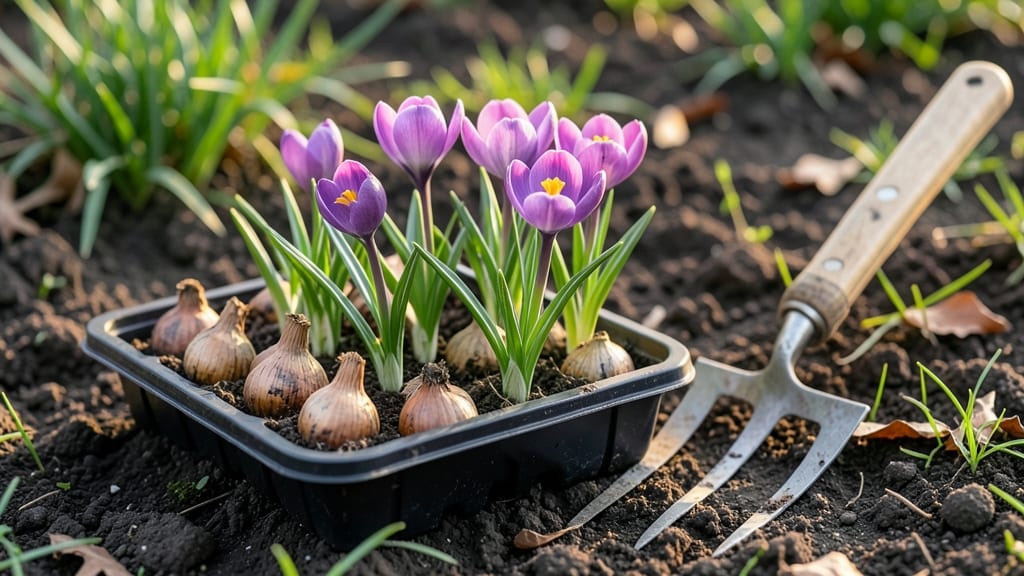
March is when cold-climate gardens wake up from winter’s long nap—when the first crocuses push through frozen soil and the air smells like damp earth and possibility. 🌱 I’ve learned the hard way that rushing this month means frost-bitten seedlings, so I’ve mapped out exactly what to plant, when, and how to prep your soil without waiting for "perfect" weather.
The secret isn’t waiting for balmy days—it’s reading your microclimate. Start cool-season crops like peas, spinach, and lettuce as soon as soil is workable (usually 40°F or warmer), while tender plants like tomatoes and peppers wait until after the last frost.
Meanwhile, prune fruit trees, mulch perennials, and tackle that winter debris pile before it becomes a spring project.
By April, you’ll have a garden that’s already ahead of the game: vibrant early blooms, lush greens popping from the soil, and a system in place to handle whatever Mother Nature throws your way.
The key is balancing action with patience—March rewards those who prepare while the world is still quiet.
Whether you’re in Zone 3 or 6, this calendar adapts to your first frost date and soil conditions. Let’s get those seeds in the ground before the squirrels claim them all.
📚 In This Guide
- What you need
- Instructions
- Tips and common mistakes
- Wrapping up and next steps
What you need
- ● Garden Gloves: 1 pair (water-resistant, durable, and fitted for dexterity—look for brands like Fox Hollow or Glovework USA).
- ● Hand Trowel: 1 (stainless steel, 6-8" blade for precision—Fiskars or Radiah are top picks).
- ● Pruners: 1 pair (bypass pruners for clean cuts, e.g., Felco or Corona).
- ● Garden Fork: 1 (heavy-duty, 18-24" for breaking up soil—Amico or Spear & Jackson).
- ● Rake: 1 (bow rake for clearing debris, 18-24" with sturdy tines).
- ● Hose with Adjustable Nozzle: 1 (lightweight, 50' length, e.g., Flexzilla).
- ● Compost: 1-2 cubic yards (aged, nutrient-rich—Espoma or homemade).
- ● Mulch: 2-3 bags (straw or wood chips for moisture retention—Sun Gro or local options).
- ● Seeds: Cold-hardy varieties (e.g., peas, spinach, kale, lettuce—Burpee or Johnny’s Selected Seeds).
- ● Seed Starting Mix: 1-2 bags (sterile, peat-based or coco coir—Fox Farm or Black Gold).
- ● Plant Trays: 10-20 (biodegradable or reusable, 2-3" deep).
- ● Row Covers: 1-2 (floating fabric for frost protection—GrowGuard or Agribon).
- ● Wheelbarrow: 1 (2-3 cubic feet capacity for hauling soil/compost).
- ● Soil Thermometer: 1 (to monitor ground temps—Grower’s Solution).
- ● pH Test Kit: 1 (digital or liquid for soil testing—Luster Leaf).
- ● Cold Frame: 1 (for extending the season—DIY or pre-made).
- ● Knee Pads: 1 pair (for comfort during long sessions).
- ● Garden Journal: 1 (to track plantings, weather, and progress).
- ● Organic Fertilizer: 1-2 bags (balanced NPK, e.g., Dr. Earth).
- ● 🌡️ Check Frost Dates: Use your local USDA zone to guide planting times—most cold climates (zones 3-6) can start hardy veggies after the last frost (typically late March/early April).
- ● ✨ Prep Soil Early: If ground is workable, loosen soil with a fork and mix in compost before seeds go in.
- ● 🔥 Start Indoors: Begin cold-sensitive plants (like tomatoes) in trays under grow lights 6-8 weeks before the last frost.
- ● 🎯 Label Everything: Use stakes or tags for seeds/trays to avoid mix-ups as sprouts appear!
Instructions: March planting schedule for cold-climate gardens
Here's the step-by-step plan I follow every March to get my cold-climate garden thriving.
🌱 Step 1: Start Cold-Hardy Seeds Indoors
Begin with peas, spinach, and lettuce seeds indoors now—they germinate best at 65-75°F and can handle cooler temperatures. Use the seed-starting trays and germination mat to keep soil consistently warm. Plant seeds ½ inch deep in moistened seed-starting mix and cover lightly.
Keep trays under grow lights for 12-14 hours daily until seedlings emerge. You'll see tiny sprouts in 7-14 days, depending on the variety. This early start gives them a head start before transplanting outdoors after last frost.
☀️ Step 2: Prepare Outdoor Beds for Early Plantings
Use the garden fork to loosen soil to a depth of 6-8 inches, breaking up any compacted layers. Mix in 2-3 inches of compost to enrich the soil—this improves drainage and adds nutrients for hungry spring crops. Rake the bed smooth and remove any weeds or debris.
For cold-sensitive plants like onions and potatoes, plant them directly outdoors now. Cover with 2-3 inches of straw mulch to protect from late frosts. The mulch also helps retain moisture and suppresses weeds—critical when daytime temperatures fluctuate.
💧 Step 3: Harden Off Seedlings and Transplant
Two weeks before your last frost date, move seedlings outdoors for 1-2 hours daily in a sheltered spot. Gradually increase their time outside by 1 hour each day until they can stay out all day. This process, called hardening off, helps seedlings adjust to wind and sunlight without shock.
Transplant hardy seedlings like kale and broccoli outdoors after last frost. Dig holes slightly larger than the root ball, place plants in, and firm soil around them. Water deeply to settle roots—you'll know it's enough when soil looks dark and moist 2 inches down. Mulch again with 1-2 inches of straw to protect roots.
✂️ Step 4: Plan for Successive Plantings
March is the perfect time to sketch a planting schedule. Use the planting calendar to map out when to sow cool-season crops like carrots and radishes every 2-3 weeks for continuous harvests. These crops thrive in cooler weather and won't bolt like lettuce might in summer heat.
Mark planting dates on the garden markers and place them in the ground near each row. This keeps you organized and ensures you don't overcrowd the garden. You'll also know exactly when to expect harvests—radishes in 3-4 weeks**, carrots in 6-8 weeks.
Tips & tricks for perfect March planting in cold climates
Here's how to maximize your early spring garden success with these battle-tested strategies.
Temperature Control for Seed Starting: The 65-75°F range is ideal for those cold-hardy seeds, but don't panic if your home runs cooler. Place your seed-starting trays on a germination mat set to 75°F for consistent warmth—this mimics greenhouse conditions. I keep mine under grow lights for the full 12-14 hours daily, and trust me, those sprouts will appear faster than you expect.
Soil Preparation Secret: When loosening soil to 6-8 inches in Step 2, focus on breaking up those compacted layers without disturbing the deeper soil structure. Think of it like fluffing a pillow—just enough to create air pockets without turning the whole bed upside down. Mixing in 2-3 inches of compost now gives your plants a nutrient boost they'll appreciate when they hit the ground running.
Harden Off Gradually: The 1-2 hour daily increments during hardening off might seem tedious, but it's worth it. I've seen seedlings go into shock when moved too quickly—leaves turn yellow, growth stalls. Start with that sheltered spot like a porch or garage, and watch for wilting. If you notice any stress, simply move them back inside for a few days before trying again.
Mulch Matters: That 2-3 inches of straw mulch isn't just decoration—it's insulation. In cold climates, late frosts can still sneak in. The mulch acts like a blanket, keeping roots warm while allowing moisture to penetrate. I like to add a second layer of 1-2 inches after transplanting to give those young roots extra protection during those unpredictable March nights.
Pro Tips for Gardening In March
- Here's how to maximize your early spring garden success with these battle-tested strategies.
- Temperature Control for Seed Starting: The 65-75°F range is ideal for those cold-hardy seeds, but don't panic if your home runs cooler.
- Soil Preparation Secret: When loosening soil to 6-8 inches in Step 2, focus on breaking up those compacted layers without disturbing the deeper soil structure.
Frequently asked questions
March gardening can spark plenty of questions—especially for cold-climate gardeners eager to get started! Here are answers to the most common queries to help you plan with confidence.
What’s the best way to check if the soil is warm enough to plant in March?
Use a soil thermometer to monitor temperatures—most cool-season crops thrive when soil is at least 40–50°F (4–10°C). For warm-season plants, wait until soil hits 60°F (15°C) or higher. If unsure, cover beds with black plastic for a week to warm them faster.
Can I still plant flowers in March if there’s a late frost risk?
Opt for hardy perennials like heather, lavender, or bleeding heart or frost-tolerant annuals like pansies or snapdragons. For extra protection, use frost cloth or plant after the average last frost date (check your USDA zone).
What are some low-maintenance March gardening tasks?
Start with these easy wins:
- Direct-sow peas, spinach, or lettuce (they germinate fast in cool soil!).
- Divide perennials like daylilies or hostas—it’s easier before new growth starts.
- Clean up debris to prevent pests/diseases (but leave leaf litter for beneficial insects!).
- Test your irrigation—March is perfect for fixing leaks or adjusting sprinklers.
How do I protect tender seedlings from late spring freezes?
Use row covers, cloches, or cold frames to trap heat. For extra insurance, harden off seedlings gradually (acclimate them to outdoor temps over 5–7 days). If a freeze hits, cover plants with blankets or cardboard—just remove them during the day to avoid overheating.
Are there any March gardening tools I need to buy now?
Not necessarily! Focus on upgrading what you have:
- Sharpen pruners for clean cuts on perennials.
- Invest in a soil thermometer if you don’t have one.
- Stock up on frost cloth for late-season protection.
- Check hoses/hose nozzles for spring leaks.
Skip impulse buys—most tools (like trowels or gloves) last years!
What do I do if my March-planted seeds rot instead of sprouting?
Rot usually means too much moisture or cold soil. Try these fixes:
- Improve drainage by amending soil with compost or perlite.
- Wait for warmer temps (aim for 50°F+ soil for most seeds).
- Water less frequently—keep soil moist but not soggy.
- Re-sow shallow seeds (like lettuce) every 2 weeks for continuous harvests.
Wrapping up and next steps
March is your golden opportunity to kickstart your cold-climate garden with confidence! 🌱 By following this early spring planting calendar, you’ll set the stage for a thriving harvest while working with nature—not against it. Start small, stay consistent, and don’t forget to celebrate those first sprouts as your reward.
Ready to dive deeper? Plan your next steps:
- 📅 Mark your calendar for seed-starting deadlines and soil prep dates.
- 🛒 Gather supplies (or check your stash!) based on the materials list above.
- 🌿 Take action this week—even 30 minutes of prep makes a difference!