
Tools
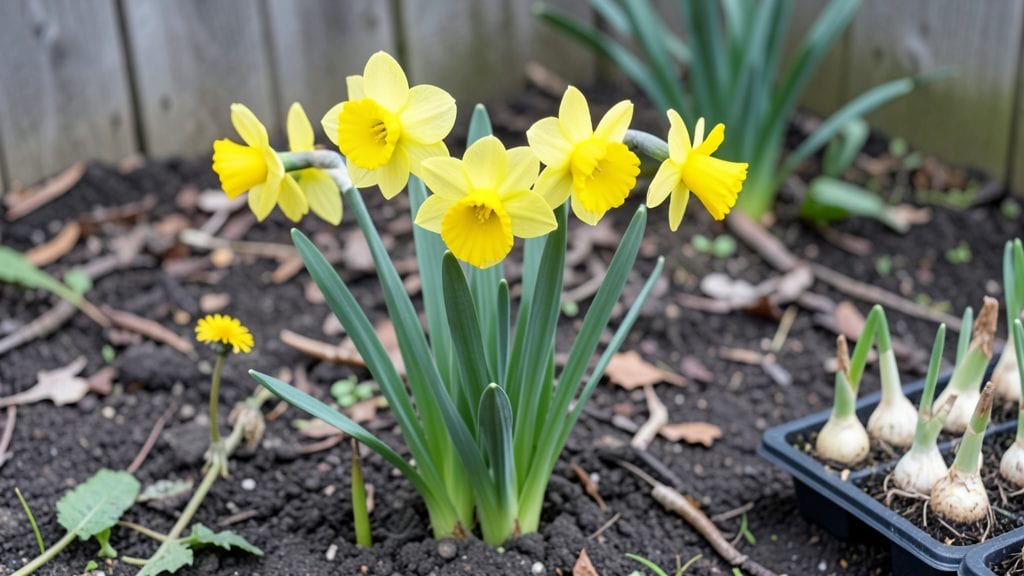
Gardening in February isn't about waiting—it's about setting up your spring success right now. ✨ I've learned that February is the perfect time to start hardy crops under glass, whether you're in a frosty northern zone or a mild southern climate where winter barely slows down.
The key is choosing the right plants and giving them the protection they need to grow strong before the real warmth arrives.
You don't need fancy equipment—just a sunny windowsill, a cold frame, or even a simple greenhouse kit. Start with cold-hardy crops like spinach, kale, or peas that can handle cooler temperatures.
In colder regions, focus on indoor seed starting for tomatoes and peppers, while southern gardeners can direct-sow lettuce and radishes outdoors. The goal is to get a head start without risking frost damage.
By late February, you'll see those first tender shoots pushing through the soil, a sign that your hard work is paying off. The plants you nurture now will give you an earlier harvest, and the soil you prepare today will reward you with richer growth come spring.
This is where the magic happens—quiet, steady progress that builds toward a bountiful season.
From pruning dormant perennials to planning your raised beds, February tasks vary by climate but always revolve around preparation. Whether you're clearing winter debris or sowing the first seeds, every action brings you closer to that first bite of homegrown goodness.
Let's make the most of these chilly weeks before spring bursts into full bloom.
📚 In This Guide
- What you need
- Instructions
- Tips and common mistakes
- Wrapping up and next steps
What you need
- ● Seed Starting Trays or Pots – 2-3 trays (72-cell or 1020-cell) or 4-inch pots (10-15 units). Opt for biodegradable pots if transplanting later.
- ● High-Quality Seed Starting Mix – 1-2 bags (1-2 cubic feet). Avoid garden soil; use a sterile, well-draining mix.
- ● Seeds – Choose cold-hardy varieties like lettuce, spinach, kale, or peas. Buy from reputable suppliers for freshness.
- ● Grow Lights or Sun Lamp – 1-2 LED grow lights (full-spectrum, 12-16 hours/day) or a sunny windowsill (south-facing preferred).
- ○ Heat Mat (Optional but Helpful) – 1 mat (for trays) to maintain soil temps between 65-75°F (18-24°C).
- ● Misting Bottle or Spray Nozzle – 1 unit. Keeps seeds moist without overwatering.
- ● Plastic Wrap or Humidity Dome – 1 sheet or dome cover to retain moisture while seeds germinate.
- ● Fertilizer – 1 bottle of balanced liquid fertilizer (5-5-5 or 10-10-10) or organic options like fish emulsion.
- ● Pruners or Small Scissors – 1 pair for trimming seedlings or cutting plastic wrap.
- ● Thermometer/Hygrometer – To monitor soil and air temps for optimal growth.
- ● Labeling Sticks or Tags – Keeps track of seed varieties and planting dates.
- ● Small Fan – Encourages strong stems by simulating airflow.
- ● Reusable Grow Bags or Fabric Pots – Eco-friendly alternative for transplanting later.
- ● Glass or Plastic Greenhouse Tray – Extends growing space or protects seedlings from drafts.
Step-by-step guide to February gardening under glass
February’s chill is perfect for growing hardy crops that love cool weather—here’s how to set them up for success.
🌱 Step 1: Select the Right Cold-Hardy Crops
Focus on varieties that thrive in 40-60°F temperatures. Lettuce, spinach, and kale are my go-tos—they handle frost better than most. Peas and radishes also grow well under glass this time of year. Avoid heat-lovers like tomatoes or peppers until spring.
Check seed packets for "cool-season" labels. I always plant spinach and kale first because they germinate quickly even in cooler soil. If your glass structure is unheated, stick to hardy greens—they’ll tolerate the coldest conditions.
🪴 Step 2: Prepare Containers and Soil Mix
Use sterile seed-starting mix in shallow trays or small pots with drainage holes. February soil is still cold, so I add a 2-inch layer of compost to the bottom of containers to retain warmth. Moisten the mix until it’s damp but not soggy—cold soil stays wet longer, and overwatering leads to rot.
Fill containers to 1 inch below the rim, leaving room for seeds. Tap gently to settle the soil without compacting it. A loose mix ensures roots can push through easily. If you’re reusing containers, sanitize them with a 10% bleach solution to prevent disease.
☀️ Step 3: Sow Seeds at the Right Depth and Spacing
Plant seeds twice as deep as their width—this rule works for most cool-season crops. Lettuce seeds are tiny, so I press them just ¼ inch into the soil. Use a spray bottle to mist the surface until evenly damp. Avoid heavy watering, which can bury seeds too deep and delay germination.
Space seeds ½ inch apart in rows 1 inch apart. Thin later if needed—crowded seedlings compete for light and nutrients. Label trays with the crop name and date. I write on toothpicks and stick them in the soil to avoid disturbing roots.
💧 Step 4: Maintain Consistent Moisture and Light
Keep soil evenly moist but never waterlogged. Cold soil drains slower, so check moisture daily by pressing a finger ½ inch deep. If it feels dry, water lightly. A clear plastic dome or row cover helps retain warmth and humidity until seedlings emerge.
Place trays near a south-facing window or under grow lights for 12-14 hours of light daily. Without enough light, seedlings stretch weakly toward the sun. If using a grow light, keep it 2-3 inches above the plants and raise it as they grow.
⏰ Step 5: Harden Off and Transplant
Once seedlings have 2-3 true leaves (not just the first seed leaves), start hardening them off. Move trays outside for 1-2 hours daily, gradually increasing time over 7-10 days. This prepares them for cooler outdoor temps.
Transplant after the last frost date in your area. Choose an overcast day to reduce stress. Water deeply before and after transplanting. Under glass, these crops will grow quickly—harvest lettuce in 3-4 weeks and spinach in 5-6 weeks for the freshest flavor.
Tips & tricks for perfect February gardening under glass
Here's what I've learned after years of growing cool-season crops—these tricks make all the difference when working with February's chill.
Temperature Control: The 40-60°F range is ideal, but glass structures can get surprisingly cold. Place a thermometer inside your growing area to monitor temperatures. If it drops below 40°F, consider adding a small space heater (safely positioned) or moving containers closer to windows. I've found that spinach and kale actually grow better when kept on the cooler side—around 50°F—so don't rush to heat things up unnecessarily.
Lighting Hacks: Those 12-14 hours of light daily are crucial, but natural light can be weak in February. If your south-facing window isn't cutting it, supplement with a simple LED grow light on a timer. Position it 2-3 inches above seedlings and raise it as they grow. I've noticed seedlings grow 30% taller with proper lighting compared to those struggling under insufficient light—it's worth the investment for compact, sturdy plants.
Soil Warmth Strategy: That 2-inch layer of compost at the bottom of containers works wonders for retaining warmth, but you can boost it further. Place containers on a tray filled with warm water (not hot) for 10-15 minutes before sowing. This pre-warms the soil and encourages faster germination. For extra insulation, wrap containers in bubble wrap (remove before watering) to protect roots from temperature swings.
Harden Off Gradually: The 1-2 hours daily hardening off period might seem short, but consistency matters more than duration. Start with just 30 minutes on the first day and increase by 30 minutes each subsequent day. I've seen seedlings shock and wilt when moved outside too quickly—take your time, and they'll thank you with stronger growth. On windy days, use a small mesh bag to protect delicate seedlings during outdoor exposure.
Pro Tips for Gardening In February
- Here's what I've learned after years of growing cool-season crops—these tricks make all the difference when working with February's chill.
- Temperature Control: The 40-60°F range is ideal, but glass structures can get surprisingly cold.
- Lighting Hacks: Those 12-14 hours of light daily are crucial, but natural light can be weak in February.
Frequently asked questions
Got questions about February gardening? You’re not alone! Here are some of the most common queries—and their answers—to help you navigate cold-weather gardening like a pro.
What crops can I safely grow in February under glass?
February is perfect for cold-hardy crops like spinach, kale, lettuce, and peas. Root vegetables such as carrots and radishes also thrive in cooler temps. Just ensure your greenhouse or cold frame stays above 35°F (2°C) to avoid frost damage. Start with seedlings or sow seeds directly for early harvests!
Should I start seeds indoors or wait for warmer soil?
For February, indoor seed starting is ideal for slower-growing plants like tomatoes and peppers. Use grow lights to prevent leggy seedlings. If sowing outdoors, opt for fast germinators like radishes or arugula—just cover them with row fabric for extra protection. Pro tip: Test soil temp with a thermometer; aim for 50°F (10°C) or warmer for direct sowing.
How do I keep my greenhouse from getting too humid?
Excess humidity can lead to mold and fungal diseases. Ventilation is key! Crack windows or use a small fan to circulate air, especially on sunny days. Avoid overwatering—let soil dry slightly between waterings. A dehumidifier or even a bowl of cat litter (which absorbs moisture) can help in tight spaces.
What if my greenhouse gets below freezing? Can I save my plants?
Don’t panic! Most cold-hardy greens can tolerate brief dips below freezing. Insulate with bubble wrap or frost cloth and avoid watering before temps drop. If your greenhouse loses power, thermal mass (like water barrels wrapped in towels) helps regulate temps. Monitor plants daily—wilting may mean they’re struggling, but they often bounce back once warmth returns.
Can I use February to prep soil for spring planting?
February is a golden month for soil prep. Test your soil’s pH and amend with compost or aged manure. Cover beds with black plastic or mulch to warm the soil faster. If weather permits, plant cover crops like clover to prevent erosion and add nitrogen. Pro tip: Keep a garden journal to track soil improvements year-round!
Wrapping up and next steps
Gardening in February doesn’t have to mean hibernation—it’s a prime time to nurture cold-hardy crops under glass! Whether you’re a seasoned green thumb or just starting, this month offers a fantastic opportunity to plan, prep, and sow with confidence. 🌱
Take these tips to heart, gather your supplies, and let your indoor garden flourish as you transition into spring. Your next step? Sketch a simple layout, mark your calendar for seedling check-ins, and—most importantly—enjoy the process! Every tiny sprout is a promise of fresh harvests ahead.